




RELATED: Las Vegas strip transit services losing ridership to Uber, Lyft
National study to explore impacts of private transit services
Focus will include ride-splitting services, on-demand carpooling apps and more traditional private modes such as employer shuttles.
January 3, 2017
2 min to read
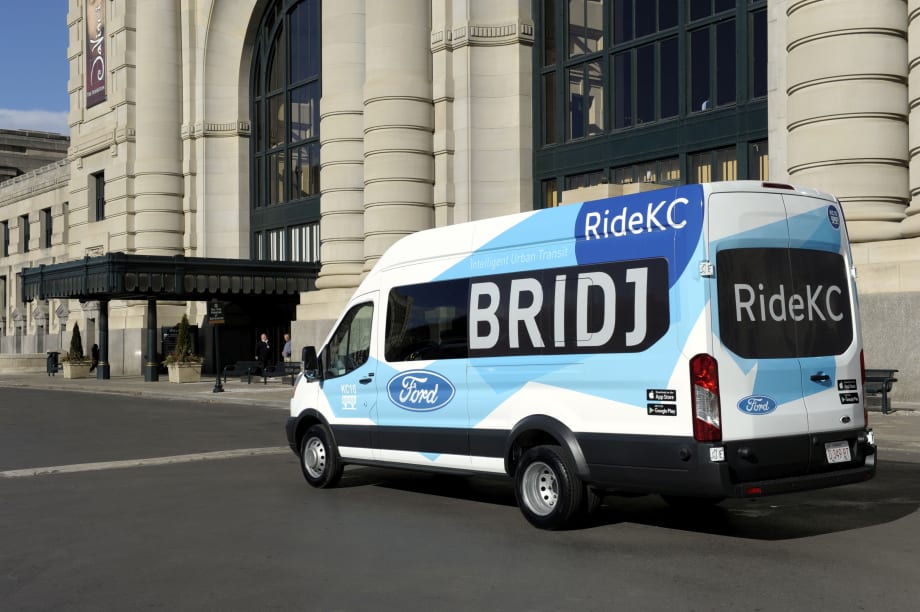
The Shared-Use Mobility Center (SUMC) has been selected by the Transportation Research Board (TRB) to conduct a new study exploring the effects of private transportation services in the U.S.
The research project will focus on new forms of private transit — including ride-splitting services such as UberPool and Lyft Line, on-demand carpooling apps such as Carma and Scoop, and “microtransit” services such as Bridj, Chariot and Via — as well as more traditional private modes such as employer shuttles, ridesharing programs and licensed and unlicensed jitney services.
“Since the emergence of new, tech-enabled transportation services, very little research has been done on the private transit market in the U.S.,” said SUMC Executive Director Sharon Feigon. “As a result, our understanding of these services’ impact on critical issues such as traffic congestion, use of street space, public transit operations and consumer mobility is extremely limited. This project will help to benchmark this growing sector and identify ways to increase its public benefit and expand mobility choices for a wide range of residents.”
The study — Transit Cooperative Research Program (TCRP) Project J-11/Task 24: “Private Transit Services and Public Transportation” — will also provide valuable information to help cities address challenges related to existing private transportation services and build new cross-sector relationships with operators.
To support these objectives, the final research report will feature a number of components, including:
A taxonomy of existing private transportation services
An evaluation of existing and potential business models for these services, including an assessment of their economic viability in different conditions
Case studies of private services, with an emphasis on those that complement or interface with public transportation systems
Strategies that transit agencies and local governments can implement to maximize the public benefits of these services while minimizing any negative effects on residents
To complete the project, the research team will conduct interviews with public and private-sector stakeholders, survey private transit users, perform a review of enforcement and regulatory data, and complete a community impact analysis.
The study follows the release of another widely cited research project completed by SUMC on behalf of TRB — TCRP Research Report 188: Shared Mobility and the Transformation of Public Transit — which examined the relationship between public transportation and new forms of shared mobility. A second phase of this study, expanded to include new analysis and data, is scheduled for release in 2017.
More New Mobility

From Hardware to Digital Partner: Luminator Charts Its Next Chapter
CEO Magnus Friberg discusses Luminator’s shift toward becoming a digital partner, the growing importance of software and interoperability, and how AI can help agencies improve operations and passenger experience.
Read More →
Biz Briefs: Alstom Lands Canadian Contract, LYT to Supply California TSP, and More
In METRO's latest installment, we take a look at recent news from Complete Coach Works, Beep, FlixBus, and more partnerships making headlines across the transportation sector.
Read More →
CharterUP’s Armir Harris on Technology, AI, and the Future of Group Mobility
In a recent episode of METROspectives, CharterUP Founder/CEO Armir Harris discussed the company’s evolution from an online charter bus marketplace into a technology platform supporting public- and private-sector mobility and much more.
Read More →
Jacksonville’s NAVI Project Charts a New Course for Autonomous Public Transportation
Through its NAVI program, JTA is showing how autonomous vehicles, intelligent infrastructure, and coordinated operations can work together to deliver everyday public transportation.
Read More →
Biz Briefs: Luminator Marks Milestone and More
From manufacturers and suppliers to transit agencies and motorcoach operators, these updates offer a snapshot of the projects, partnerships and business moves driving the industry forward.
Read More →
New Tricks for Old Bureaucracies: Joshua Schank on Making Transit Innovation Stick
Former LA Metro Chief Innovation Officer Joshua Schank discusses why good ideas aren't enough, how transit agencies can overcome resistance to change, and why today's challenges demand more innovation.
Read More →
How DART's GoPass Is Redefining Regional Mobility
Serving 14 transit agencies, GoPass simplifies multimodal travel by allowing riders to plan, pay for, and manage an entire trip through one app.
Read More →
Biz Briefs: OCTA Taps Clean Energy for Hydrogen Station, Stadler to Supply Via Rail Vehicles, and More
From manufacturers and suppliers to transit agencies and motorcoach operators, these updates offer a snapshot of the projects, partnerships and business moves driving the industry forward.
Read More →CharterUP Expands Into New Mobility and Autonomous Transportation
Vice President of New Mobility Stephen Joos discusses how CharterUP is leveraging its nationwide transportation network, technology platform, and autonomous vehicle partnerships to expand into workforce mobility, campus shuttles, and transit solutions.
Read More →
METRO Magazine Announces 2026 Innovative Solutions Awards Winners
Projects Recognized for Advancing Mobility Through Technology, Accessibility, Workforce Innovation, and Operational Excellence
Read More →