
Metro Magazine

 MENU
MENU SEARCHMENUSEARCH
My name is Laura Wilbanks and I'm the chief marketing officer for Thomson Reuters. I have over 25 years’ deep marketing experience...
Read More →
Alva Carrasco, who serves as transit and rail market lead, zero emissions bus for Northern California, at WSP USA will take on the role of president.
Read More →
Monica C. Fowler will also serve as the agency’s treasurer, with oversight of budget, finance, accounting, grants, and procurement
Read More →
The board will interview the preliminary candidates during one or more special meetings to be held as necessary.
Read More →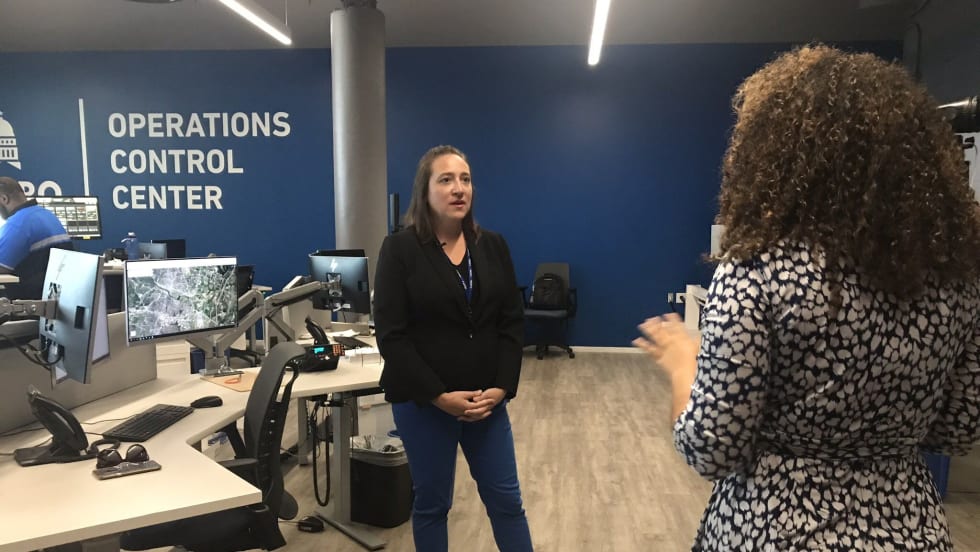
Promote the desired perceptions of the organization, connect early with students, provide flexible workplaces, and a welcoming culture.
Read More →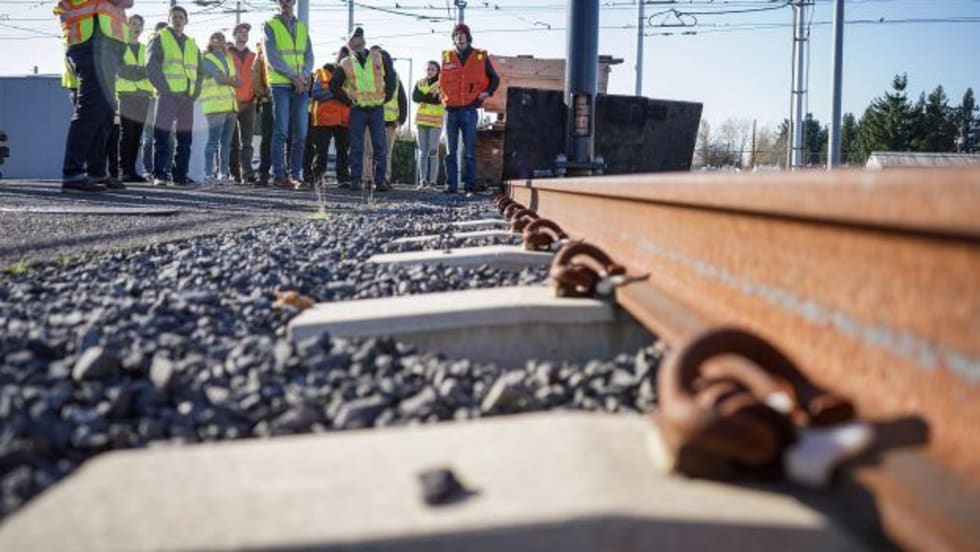
Engineering and rail training supervisors provided insight into rail operations, as well as hands-on demonstrations of its systems.
Read More →
The changing face of public transportation’s role in communities is having an impact on transit boards when they are searching for a new leader.
Read More →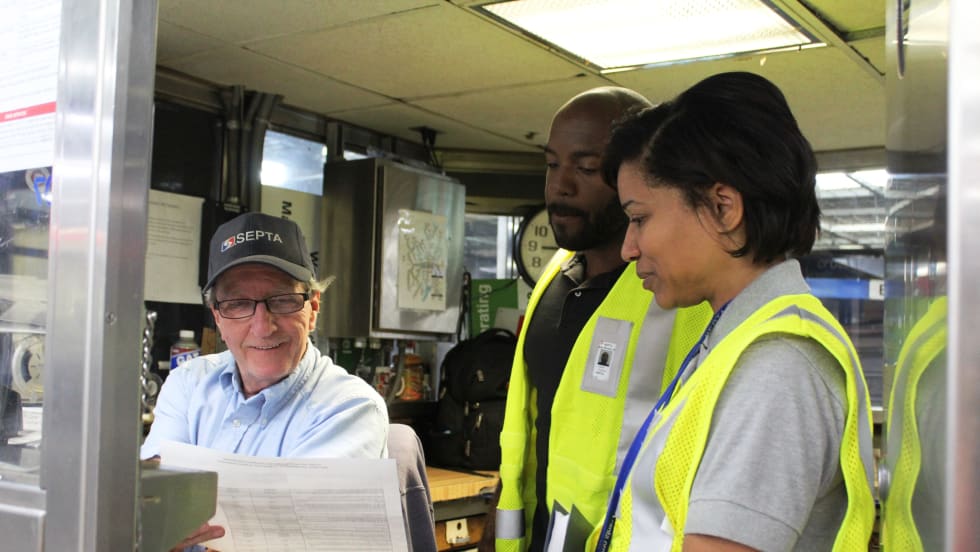
Germany, France, UK, Canada, and US are some notable countries where residents are less willing to spend significant time on learning.
Read More →
Until this is the norm, confusion, frustration, and discouragement will set in and compromise the best efforts of a new candidate.
Read More →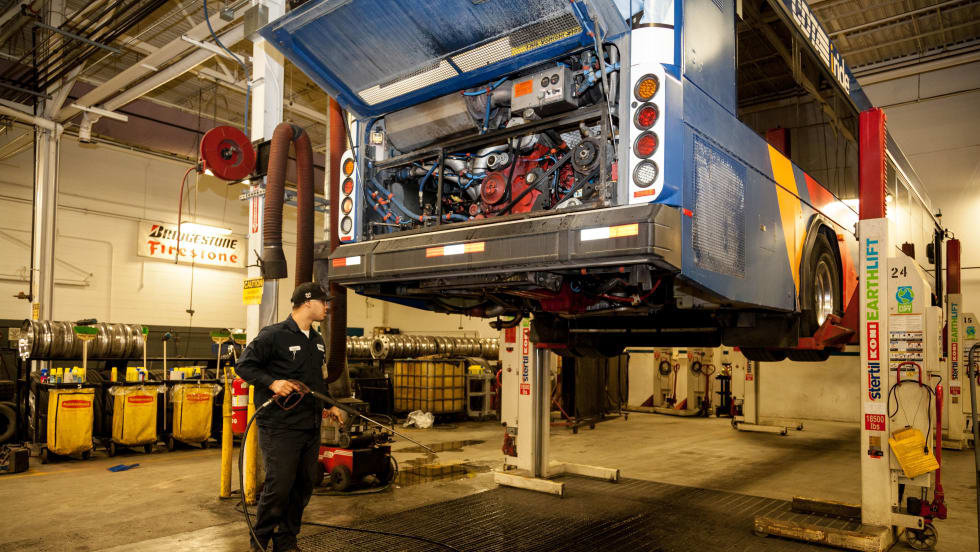
Virtually every transit agency in America is experiencing a shortage of bus technicians as skilled baby boomers retire in growing numbers.
Read More →