
Metro Magazine

 MENU
 SEARCHMENUSEARCH
Loading data...

Residents of the Parkmerced apartment complex who don't have cars will receive a monthly $100 stipend as a way to encourage “car-free living.” At least $30 a month must be used on Uber, with remaining going on a Clipper Card.
Read More →






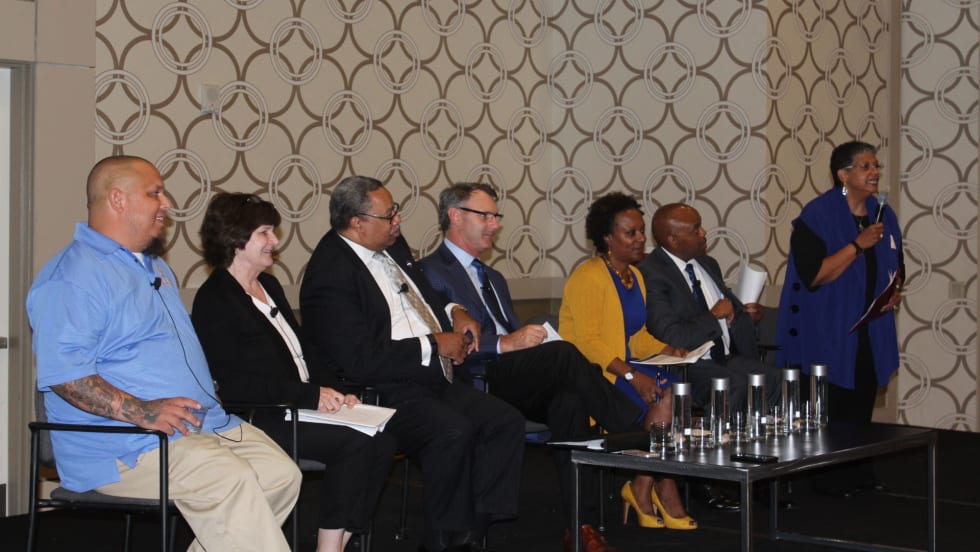
The bills would raise the annual funding cap of the Federal Highway Administration’s (FHWA) Disadvantaged Business Enterprise Supportive Services Program.
Read More →New and improved systems help detect any signs of a fire, even before flames come into play. Better detection leads to a quicker and more efficient response to out-of-the-ordinary conditions with different modes of suppression, depending on the needs of the vehicle.
Read More →With the nation in the grips of an economic downturn and Congress inching slowly toward resolution on other important bills, it’s beginning to look as if SAFETEA-LU will continue to be extended until Congress and the Obama administration can clear their slate and focus on finding a way to fund the bill.
Read More →The D4505 recently received improvements, including dual 150-amp Denso alternators, new parcel racks that expand luggage capacity and the REI A/V system.
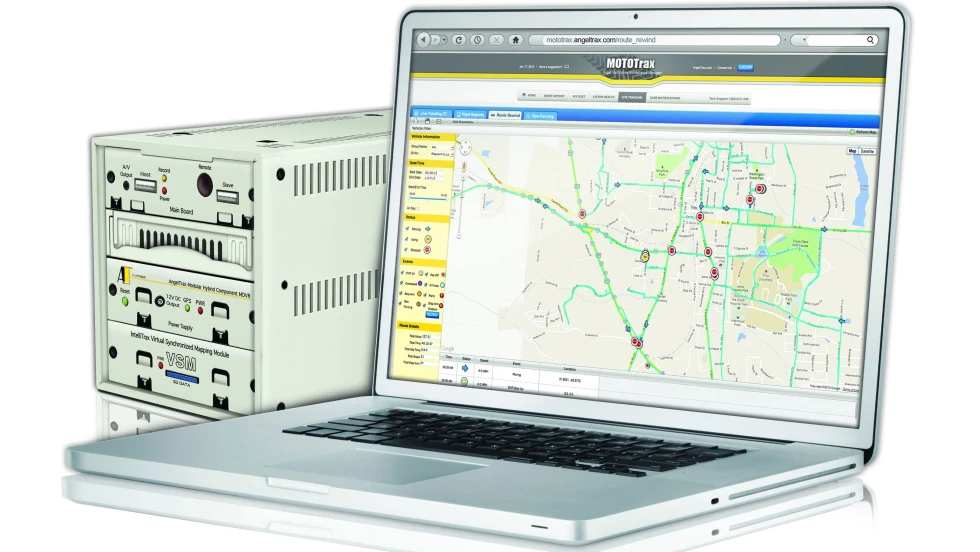
Read More →MOTOTrax is designed to give transportation professionals unprecedented insight into fleet operations and total control over onboard surveillance equipment by collecting critical system data through instant wireless notifications.
Read More →Rashidi Barnes, CEO of California’s Tri-Delta Transit, and Maggie Pears, managing consultant at the Center for Transportation the Environment, join METRO’s Executive Editor Alex Roman to discuss their roles in the California Transit Training Consortium, the groups rebrand, and more.
Read More →The electric AVs, which support Level 5 autonomous capability, will transport soldiers within the Fort Carson Army installation while also collecting operational data as part of the year-long pilot.
Read More →The safety plans were required to be completed by July 20, following an FTA rule issued in 2018.
Read More →Billions of taxpayer dollars are spent buying buses and railcars every year. Although the national unemployment rate has declined since the Great Recession, for low-income families and communities of color, the unemployment rate remains in the double-digits and good, family-supporting jobs can’t come fast enough. We need strategies that revive U.S. manufacturing and other industries that can create the kind of jobs we want.
Read More →