
Metro Magazine

 MENU
MENU SEARCHMENUSEARCH
Loading data...
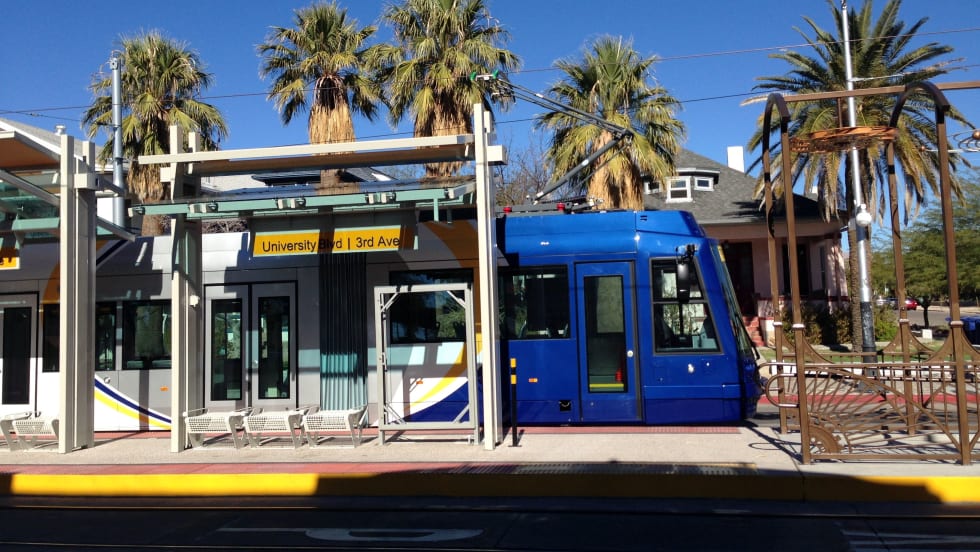
The passenger was greeted on board by City of Tucson’s Mayor Jonathan Rothschild and Sun Link dignitaries and received an annual SunGO pass for unlimited use on the Sun Link streetcar, Sun Tran bus system and select Sun Shuttle routes.
Read More →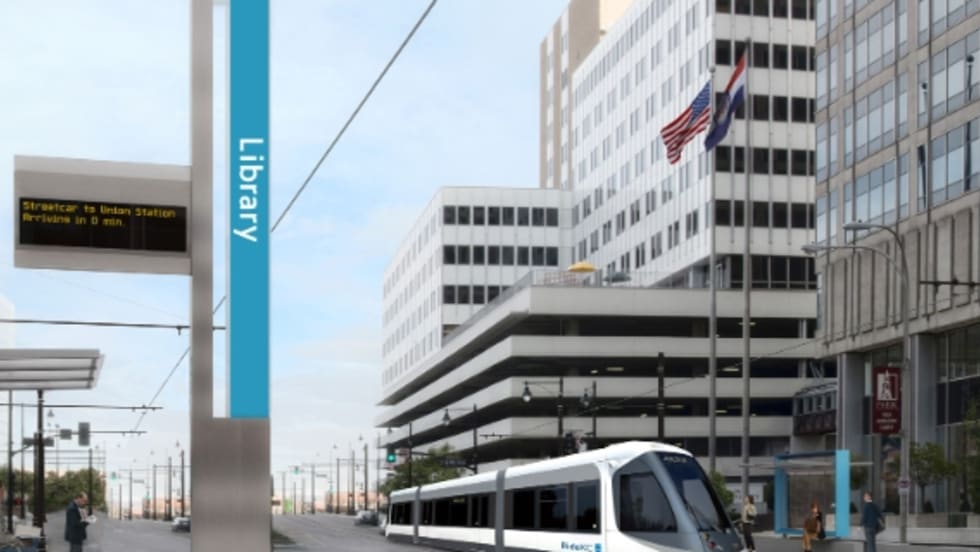
Streetcar construction is on schedule to be completed in fall of 2015. The $102 million 2-mile system will then undergo a period of testing and is anticipated to be open to the public in 2016.
Read More →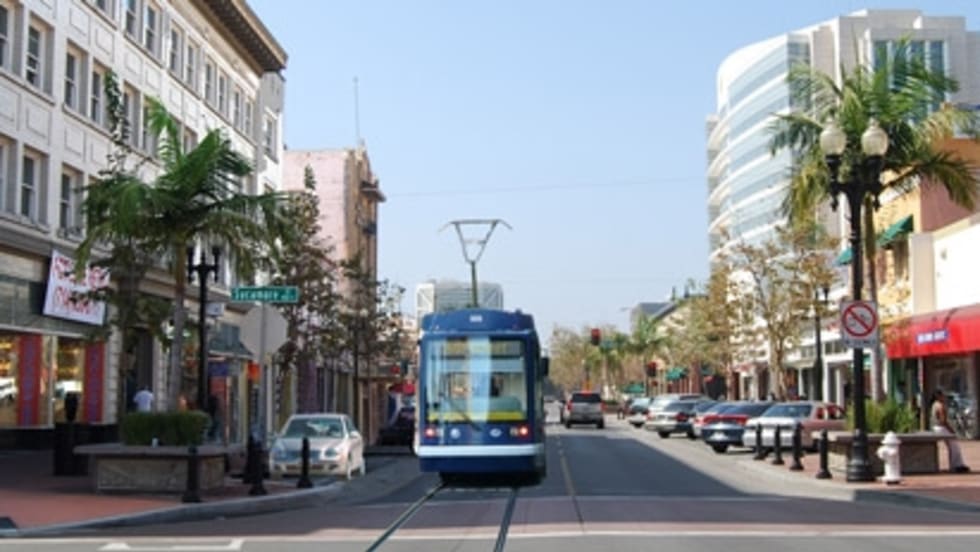
Up to seven streetcars are planned to run along the 4-mile route, stopping at 12 stations. Initial estimates put the cost of the project at $250 million and it will be jointly funded with OCTA pursuing local, state and federal dollars.
Read More →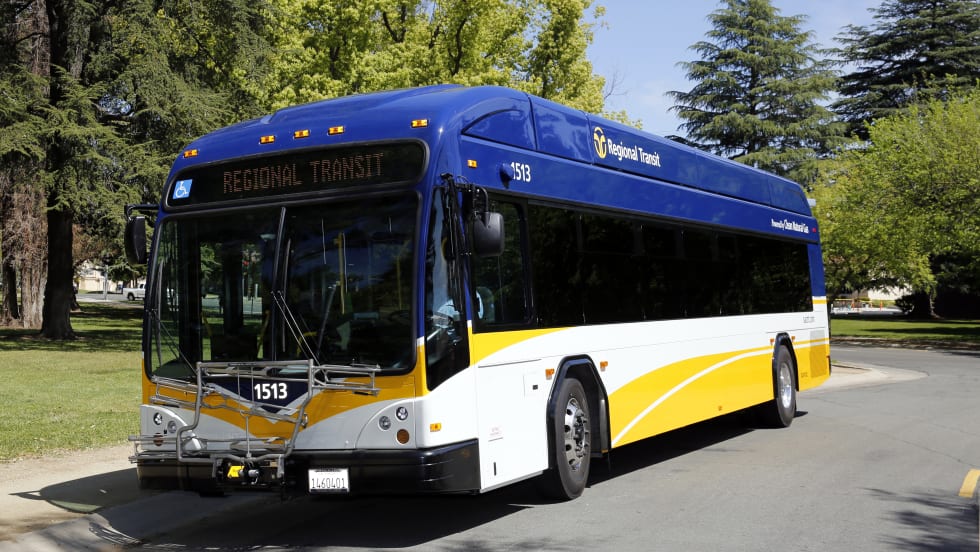
In addition to adding 30 new CNG buses built by Gillig, the agency is developing a 3.3-mile streetcar line to complement its existing light rail services.
Read More →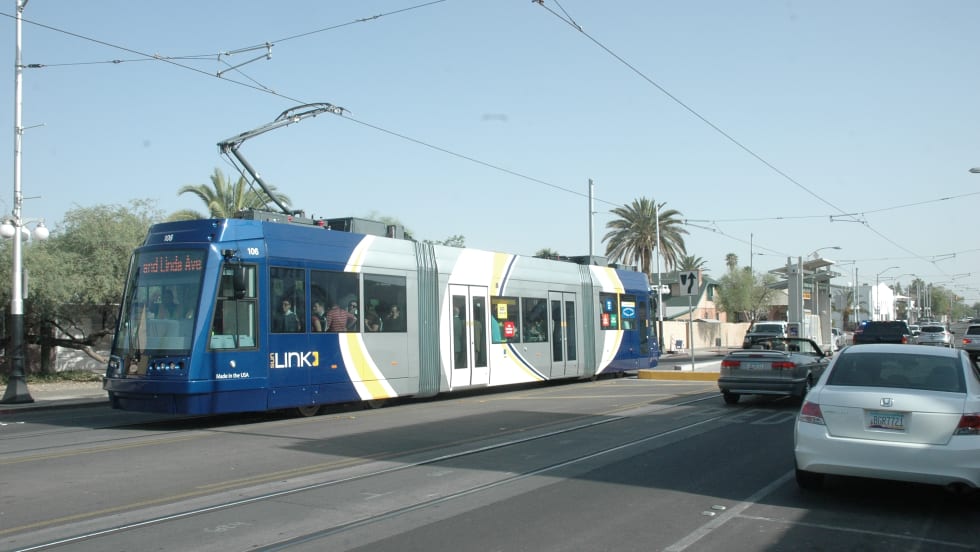
As an experienced designer of streetcar systems, one question I am frequently asked is, "Can a streetcar _____?" The blanks are usually filled with design challenges, such as "turn left from a curb lane", or "go under a low clearance underpass" or "operate at higher speeds and frequencies." More often than not, the answer is YES! Modern streetcar systems, such as those operating in Seattle, Tucson, and Atlanta, are modeled after European trams that are designed to fit within tight, complex, and built-out urban environments. The unique combination of vehicle's size coupled with the ability to operate in the same lanes as automobiles, trucks, and buses allow designers to create safe, efficient solutions to nearly every design challenge that arises.
Read More →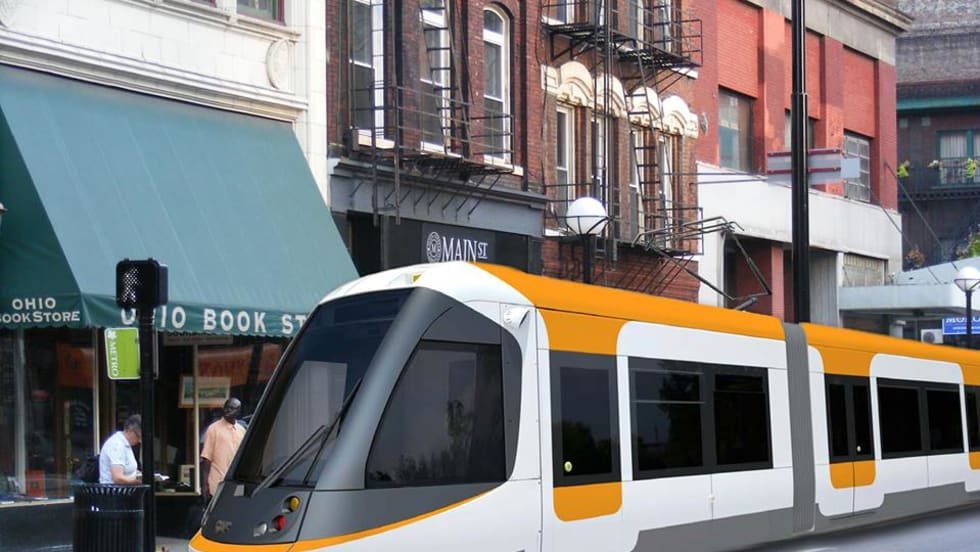
Additionally, the Southwest Ohio Regional Transit Authority has reduced its estimates by $569,000 for both streetcar fare revenue and what it believes it can capture from those who want to advertise on the vehicles.
Read More →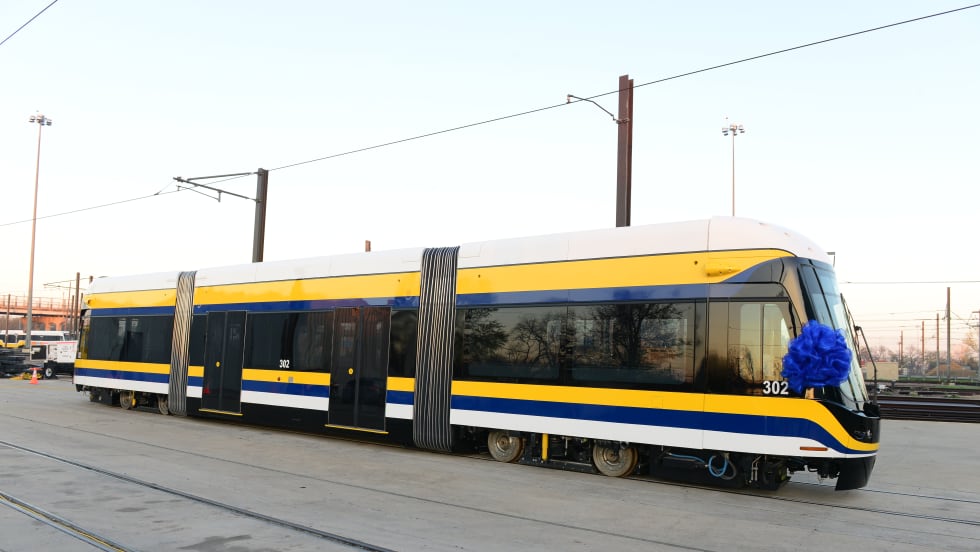
The starter line traverses the Trinity River corridor, which separates southern Dallas from the city’s largest employment centers. Specifically, the project targets commuters in mixed-use districts adjacent to downtown and helps connect them to transportation choices available in the city center.
Read More →
The city expects to spend about $17.6 million buying four vehicles for its 2.5-mile downtown streetcar system, which is to begin service in summer 2018.
Read More →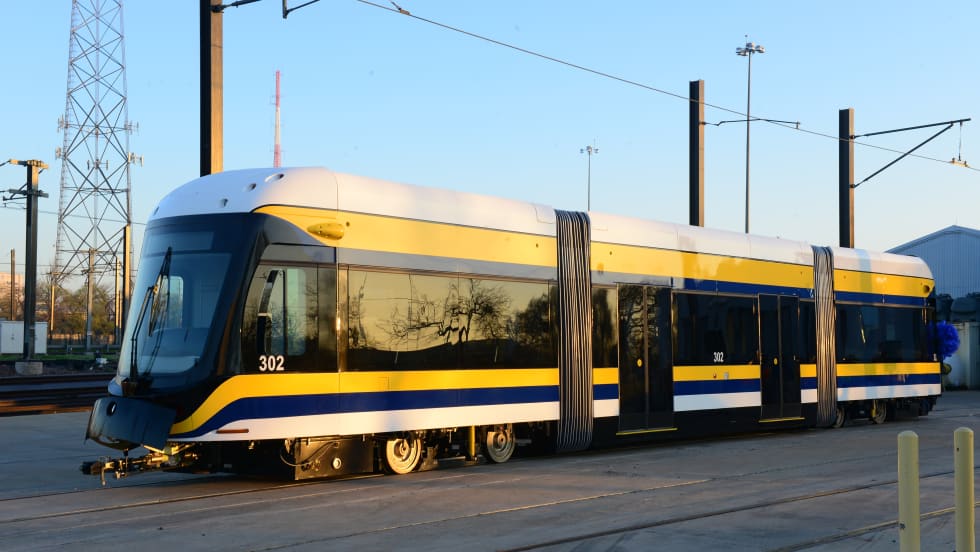
The vehicle, which was a designed and built by Brookville Equipment Corp., will be the first streetcar in the U.S. that utilizes wireless traction power.
Read More →
The projects, competitively funded through the FTA's Capital Investment Grant Program, would create thousands of construction and operations-related jobs and help communities expand transportation choices that offer new ladders of opportunity for residents.
Read More →