
Metro Magazine

 MENU
MENU SEARCHMENUSEARCH
Loading data...
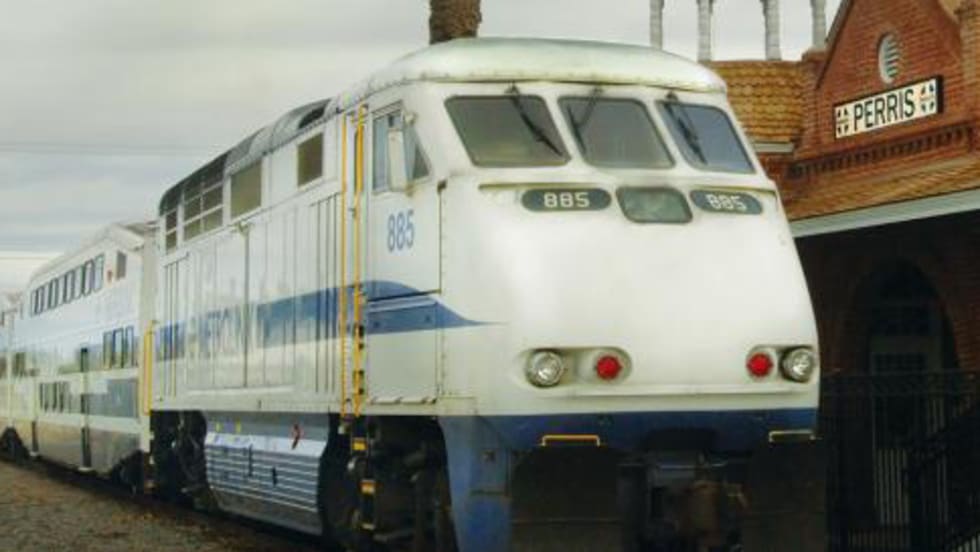
Upgrades include “sealed” grade crossings, safer railcars and locomotives, automatic train stops and the nation’s first onboard rail video cameras. They also include the nation’s first Positive Train Control system, expected to fully roll out by spring.
Read More →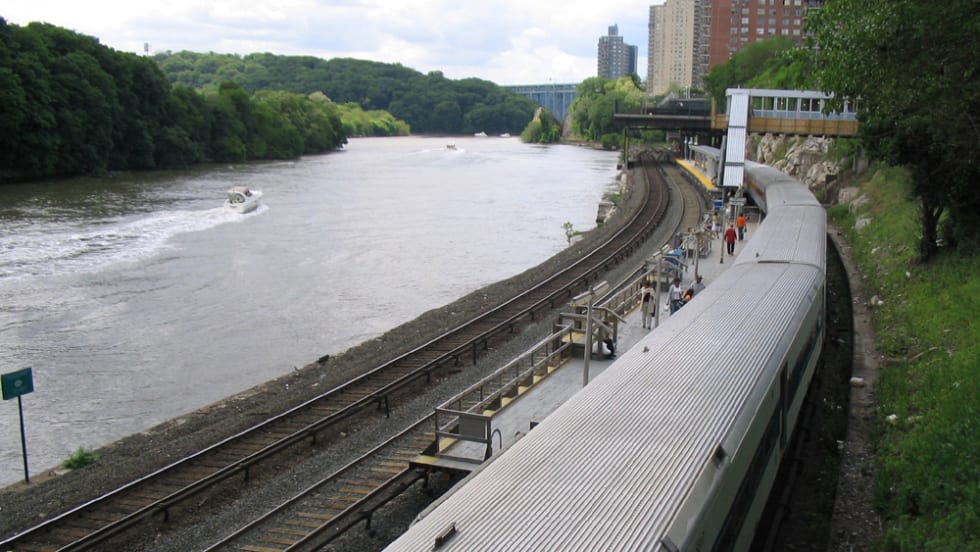
The $967 million loan would fund the implementation of the safety technology for both the MTA's Long Island Rail Road and Metro-North.
Read More →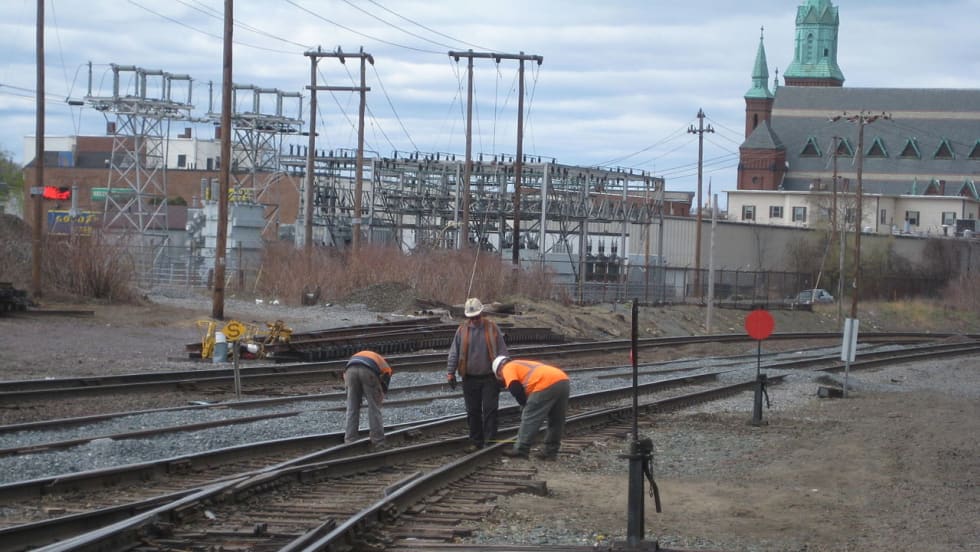
Safety Advisory 2014-02 Roadway Worker Authority Limits, highlights the need for railroads to ensure that appropriate safety redundancies are in place in the event an employee fails to comply with existing rules and procedures.
Read More →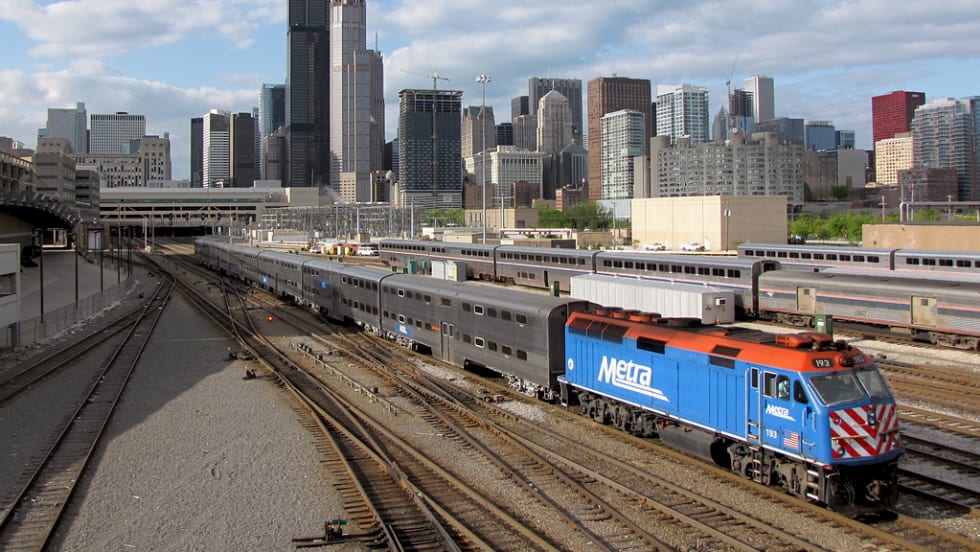
The assessment finds Metra to be generally compliant with federal safety regulations, but also directs the commuter railroad to take immediate steps to enhance its safety culture, which is an area of concern, and to better utilize safety technology.
Read More →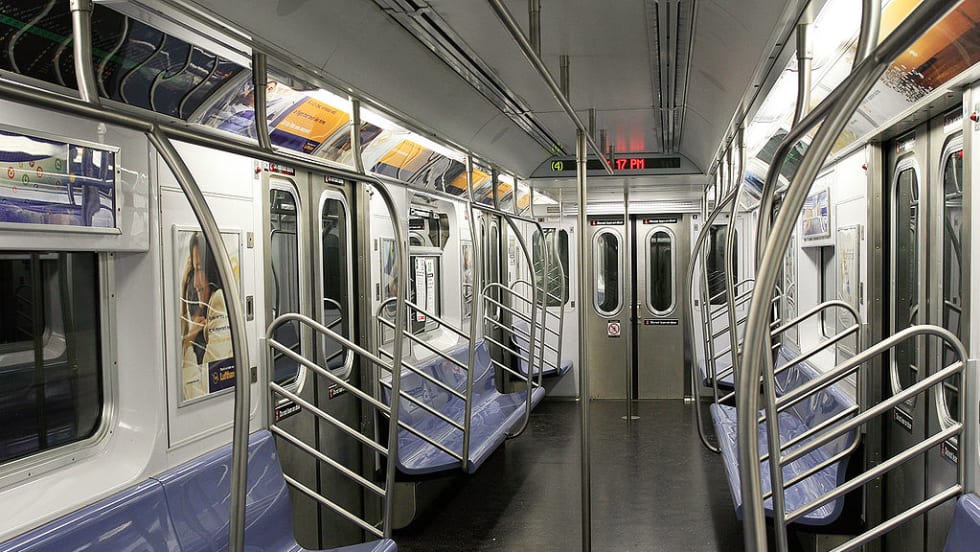
Its 2015 budget includes $84 million in safety initiatives, and safety investments will total $363 million over the entire 2015 to 2018 four-year Financial Plan. The MTA Board will vote on next year’s final Financial Plan in December.
Read More →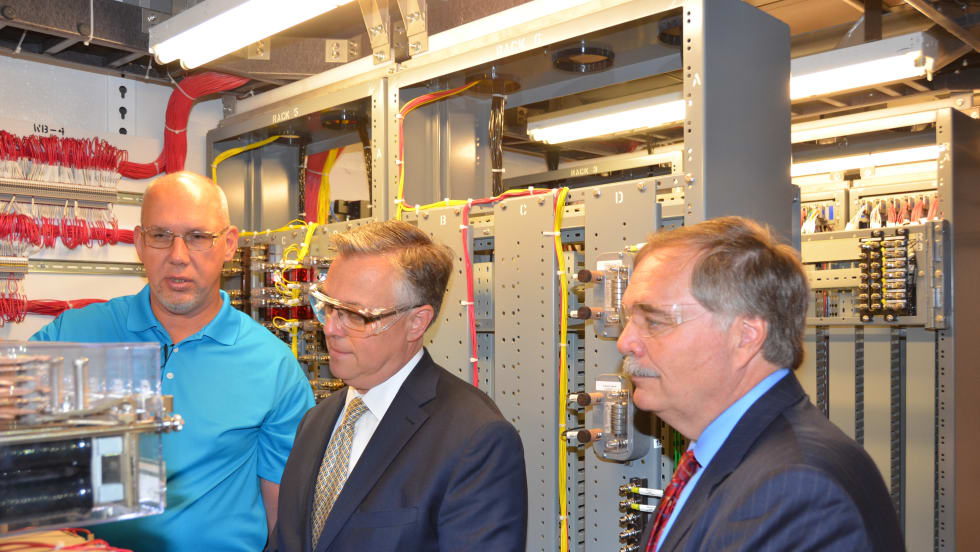
During his visit, he highlighted the importance of the GROW AMERICA Act, the Obama Administration’s four-year, $302 billion reauthorization bill now before Congress, which will provide $19 billion for rail.
Read More →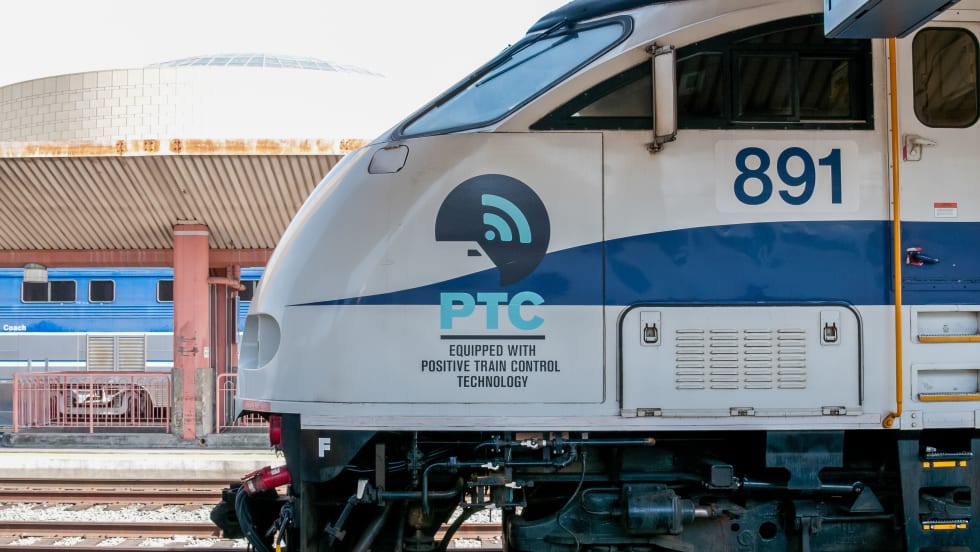
The California rail system turns from tragedy to triumph as it moves toward completing positive train control installation on its rail lines by 2015. The expedited effort was spurred in part by the 2008 collision that killed 25 passengers. For many systems, though, gaining radio frequency spectrum remains a challenge.
Read More →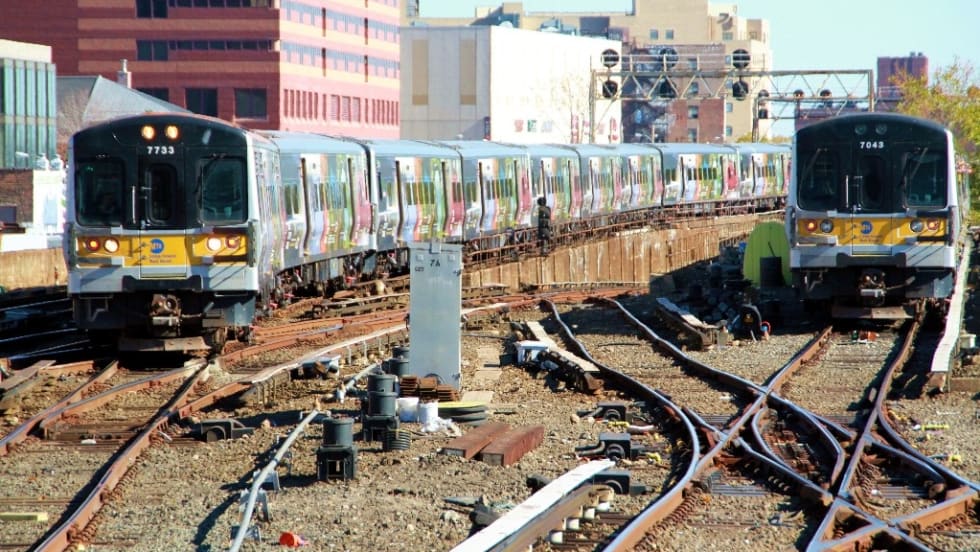
The board committees approved the expansion of a contract with a joint venture of Bombardier Transportation/Siemens Rail Automation by an additional $11.3 million.
Read More →
Meanwhile, both railroads are working together to procure and install Positive Train Control as quickly as possible.
Read More →
Also plans to expand station accessibility for passengers with disabilities, with continuation of existing construction work at eight stations in three states and new construction activities at 21 stations in eight additional states.
Read More →