



N.Y. MTA investing in additional safety measures
Its 2015 budget includes $84 million in safety initiatives, and safety investments will total $363 million over the entire 2015 to 2018 four-year Financial Plan. The MTA Board will vote on next year’s final Financial Plan in December.

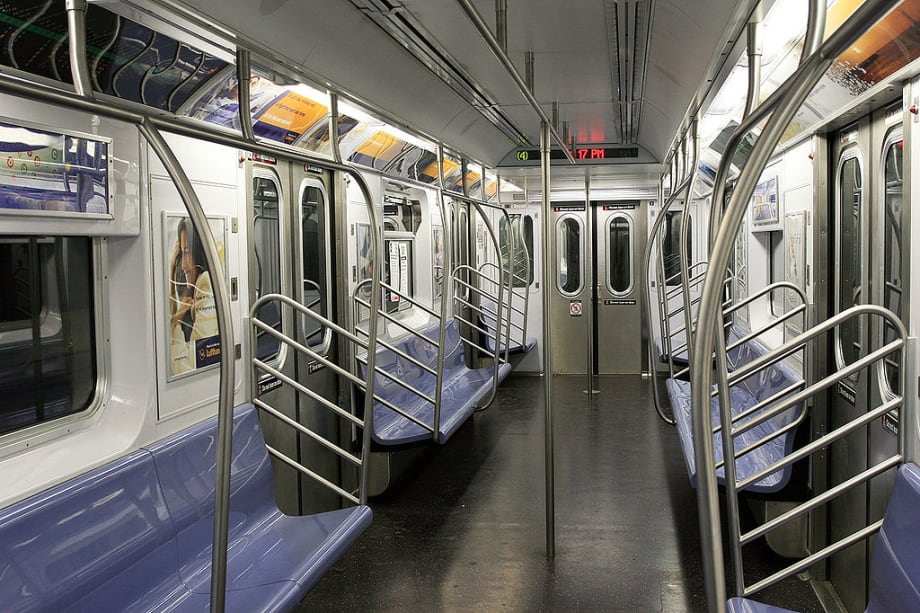

New York’s Metropolitan Transportation Authority (MTA) announced a series of new and enhanced safety initiatives to better ensure the safety of its customers and employees. The safety investments are based on new mandates; recommendations by governmental bodies; compliance with existing laws, policies and procedures; and new MTA initiatives, including those supporting New York City’s “Vision Zero” initiative.
The MTA’s 2015 budget includes $84 million in safety initiatives, and safety investments will total $363 million over the entire 2015 to 2018 four-year Financial Plan. The MTA Board will vote on next year’s final Financial Plan in December.
“Safety is the top priority for all of the MTA’s daily operations, and the investments announced today reinforce that emphasis,” said MTA Chairman/CEO Thomas F. Prendergast. “We must continue to promote a culture of safety with customers and employees through training, improved work practices, and investments in technology and equipment.”

Investments will focus on customer and employee safety and training ($46 million per year), increased track and right-of-way inspections and repairs ($21 million per year), upgrades and repairs to signals and signal systems ($8 million per year), and enhanced safety systems and communications with customers and employees ($3 million per year).
An additional $6 million per year has been allocated as both the Long Island Rail Road and Metro-North Railroad continue their work to implement Positive Train Control. PTC will enhance existing train dispatching and signaling systems by automatically enforcing temporary and permanent speed restrictions and automatically stopping trains at red signals.
More Bus

LA Metro, City of West Hollywood, and Partners Advance Smarter Bus Lane Enforcement
The award-winning partnership combines AI-powered detection with human oversight to improve bus reliability, accessibility, and enforcement efficiency.
Read More →
PSTA Modernizes Workforce Management with Digital Bidding System
The award-winning Workforce Transit Modernization project replaced paper bidding with a transparent digital platform, cutting administrative effort while improving access for operators.
Read More →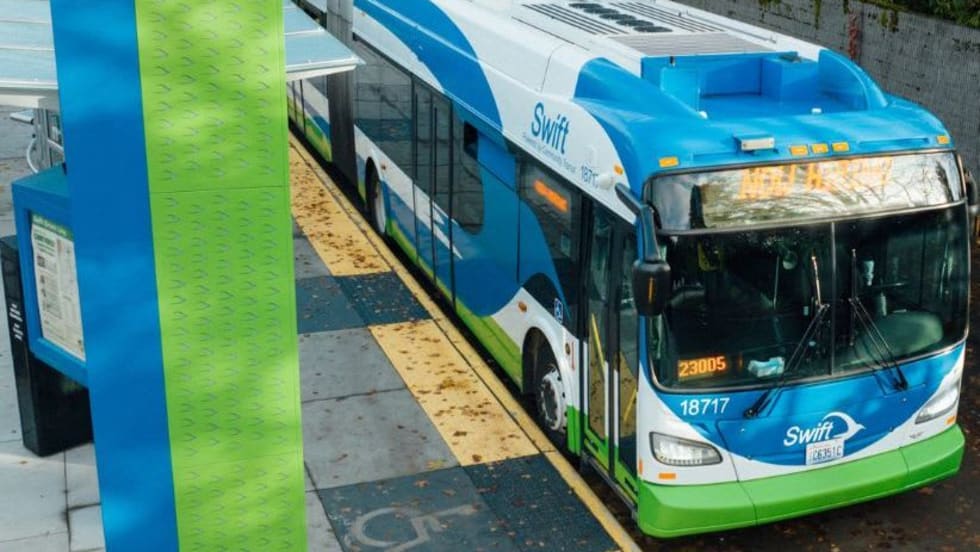
Washington's Community Transit Sets Six-Year Roadmap for Growth, Expansion
Approved TDP targets more bus service, new mobility options, Swift BRT expansion, and a potential Everett Transit annexation.
Read More →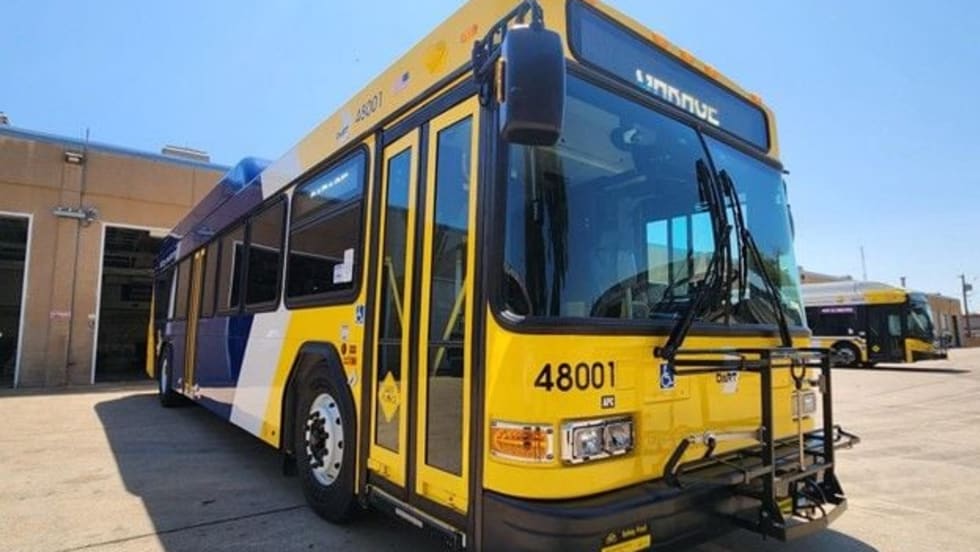
DART Customer Satisfaction Reaches Six-Year High
Overall satisfaction rose to 74.9%, while the agency’s Net Promoter Score reached a record 33.7.
Read More →
How DART's GoPass Is Redefining Regional Mobility
Serving 14 transit agencies, GoPass simplifies multimodal travel by allowing riders to plan, pay for, and manage an entire trip through one app.
Read More →
Biz Briefs: OCTA Taps Clean Energy for Hydrogen Station, Stadler to Supply Via Rail Vehicles, and More
From manufacturers and suppliers to transit agencies and motorcoach operators, these updates offer a snapshot of the projects, partnerships and business moves driving the industry forward.
Read More →
METRO Magazine Announces 2026 Innovative Solutions Awards Winners
Projects Recognized for Advancing Mobility Through Technology, Accessibility, Workforce Innovation, and Operational Excellence
Read More →
Biz Briefs: STV teams with Amtrak, Motorcoach Operators Boost Fleet and Land Contracts, and More
From manufacturers and suppliers to transit agencies and motorcoach operators, these updates offer a snapshot of the projects, partnerships and business moves driving the industry forward.
Read More →
LA Metro Marks Banner Year, Sets Ambitious Goals for New Fiscal Year
Incoming LA Metro Board Chair and Los Angeles Mayor Karen Bass joined outgoing Board Chair Fernando Dutra and LA Metro CEO Stephanie Wiggins to review accomplishments from fiscal year 2026, which included the opening of new rail extensions, advancement of major transit projects, expanded safety programs, and new rider amenities.
Read More →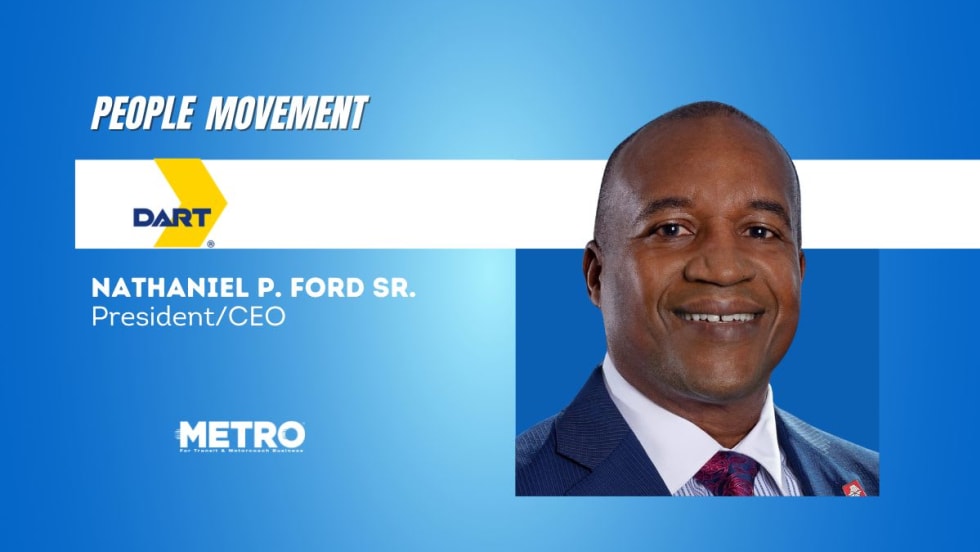
DART Taps Nathaniel P. Ford Sr. as Next President/CEO
Since 2012, Ford has served as the CEO of the Jacksonville Transportation Authority
Read More →