
Metro Magazine

 MENU
MENU SEARCHMENUSEARCH
Loading data...
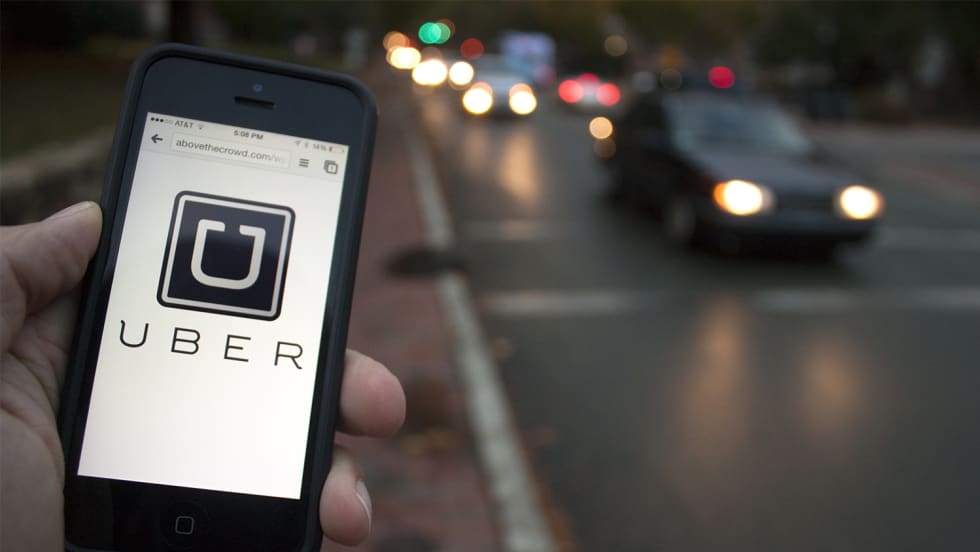
An interim report showed that Uber, Lyft and other transportation network companies handled 43% of taxi calls in May, which grew to more than half the market as the month wore on.
Read More →
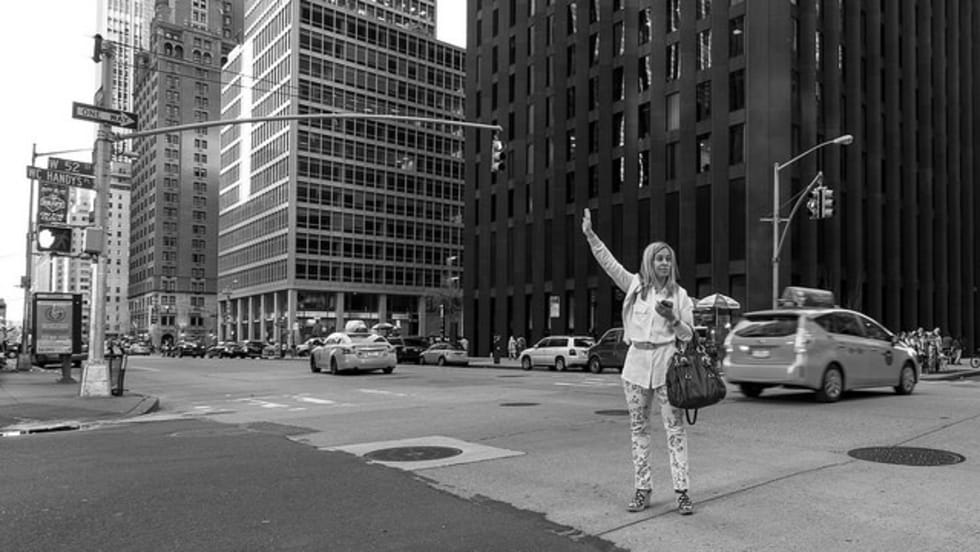




The bill, which Gov. Bill Haslam signed into law on May 20, appears to block traditional cab services from incorporating app-based hailing of cabs into their business models and also sets up insurance requirements.
Read More →Tech-enabled ride-hailing services like Uber and Lyft already appear to be acting as a complement to public transit. Uber analyzed its Los Angeles trip data to in this light. Over the course of a month, Uber found that 22 percent of trips taken near Metro stations took place during rush hour (between 7 a.m. and 10 a.m. and 4 p.m. and 7 p.m. Monday through Friday). This data could be telling us that people are using Uber like they might use bikeshare, as a last-mile and first-mile connection to transit.
Read More →The bill would create a new license for TNCs, including companies like Uber and Lyft, making it mandatory to pay a $5,000 fee, conduct background checks on drivers and maintain at least $1 million in liability insurance in order to operate in Wisconsin.
Read More →Services like Uber and Lyft would have to apply for permits, provide proof of insurance of up to $250,000 per incident and drivers would have to have vehicles inspected and have clean driving and criminal background histories.
Read More →The district attorneys of San Francisco and Los Angeles on Thursday accused the companies of violating California business law and threatened an injunction on its service following a joint investigation, according to a letter reviewed by The Wall Street Journal.
Read More →Uber, Lyft and other similar brands, are keen to expand their user bases by offering ridesharing services at competitive prices.
Read More →Additionally, the study found that ride services both complement and compete with public transit.
Read More →With costs averaging 30 to 40% less than solo rides, the shared services may compete with public transit as well as car ownership,
Read More →Would generate a 10-cent fee on every ride originating in Seattle with uberX, Lyft, Sidecar, nonwheelchair-accessible taxis and for-hire companies, and pour that money into a fund.
Read More →