




RELATED: Could Technology Allow Uber to Displace Public Transportation?
Uber, Lyft have opportunity to complement local transit networks
Tech-enabled ride-hailing services like Uber and Lyft already appear to be acting as a complement to public transit. Uber analyzed its Los Angeles trip data to in this light. Over the course of a month, Uber found that 22 percent of trips taken near Metro stations took place during rush hour (between 7 a.m. and 10 a.m. and 4 p.m. and 7 p.m. Monday through Friday). This data could be telling us that people are using Uber like they might use bikeshare, as a last-mile and first-mile connection to transit.
May 14, 2015

Photo: davejdoe/Flickr
2 min to read

Photo: davejdoe/Flickr
We hear a lot about how Uber and Lyft are impacting traditional taxis, but what of their potential impact on public transit?
Tech-enabled ride-hailing services like Uber and Lyft already appear to be acting as a complement to public transit. Uber analyzed its Los Angeles trip data to in this light. Over the course of a month, Uber found that 22 percent of trips taken near Metro stations took place during rush hour (between 7 a.m. and 10 a.m. and 4 p.m. and 7 p.m. Monday through Friday). This data could be telling us that people are using Uber like they might use bikeshare, as a last-mile and first-mile connection to transit.
Transit doesn’t serve certain areas well, or even at all. In such places, ride-hailing can make a public transit trip more attractive than driving by offering an easy connection between home and the transit system. Once the initial barrier is reduced, riders may find transit to be the best option.
On the other hand, ride-hailing could actually be stealing riders from transit. If the same trip can be completed in less time with an Uber or Lyft than using the Metro, some riders will choose the speedier option. However, at the moment, it is unlikely that hordes of people will abandon transit for ride-hailing simply because transit is still less expensive.

John Zimmer and Logan Green, co-founders of Lyft.
Photo: JD Lasica/Flickr
But, with the advent of Lyft Line and UberPool, that cost difference may become less of an issue. These services start to resemble traditional buses in that they are picking up and dropping off strangers along a route. While not exactly synonymous, one could see the development of higher capacity vehicles lowering cost and converging more and more with transit buses. The popularity of these services is clear. In the first two months of its service in San Francisco, one third of all Lyfts are Lyft Lines.
Do we have to worry about the imminent demise of public transit? By no means. But it would do transit agencies well to take a hint from some of the more enterprising traditional taxi operators: look at the incursion of new transportation options as a challenge to improve service. Reduce wait times, upgrade vehicles, and make travel more convenient by using technology like GPS tracking to display next bus and train arrivals.
Transit agencies should indeed be very excited about these new complementary transportation options to their own services. If ride-hailing companies can cut total vehicle trips in congested areas, they can work side-by-side with local officials and planners to improve the quality of life in places where Uber, Lyft, and public transit coexist.
(This story by Chris Plano was originally published by Mobility Lab.)
Subscribe to Our Newsletter
More Blog Posts
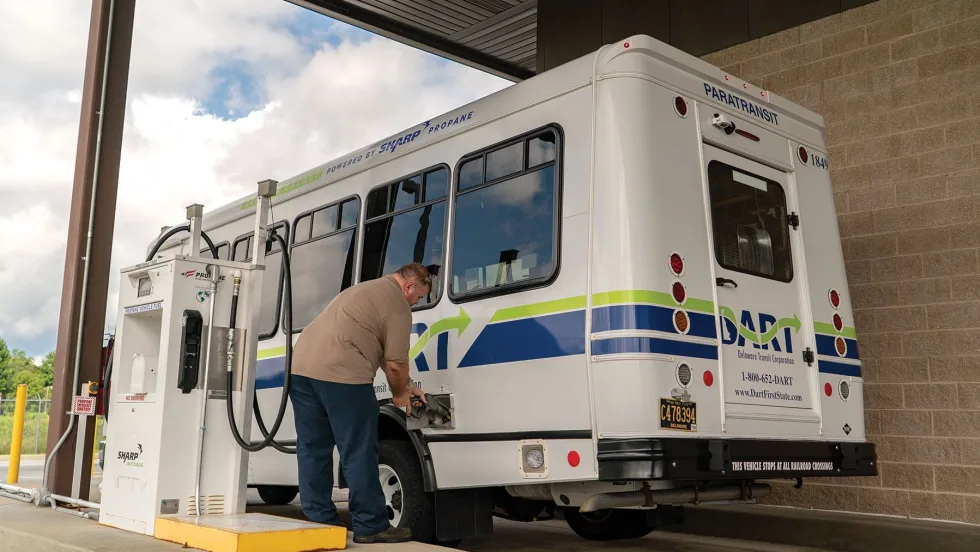
Building a Winning FTA Grant Proposal: Why Propane Autogas is the Pragmatic Choice for Fleet Resilience
With $610 million available through the FY 2026 Buses and Bus Facilities Competitive Program and the Low or No Emission Grant Program, agencies must build a compelling case before the September 21 deadline that balances environmental compliance with operational feasibility.
Read More →
Velo-city Conference 2026: Latest Trends in Cycling as Part of Urban Mobility
The global cycling conference highlighted how cities are integrating bicycles into multimodal transportation networks, expanding cycle tourism and reshaping urban mobility.
Read More →
Kindness Isn’t Soft...It’s Strategic.
Mike Bismeyer — often known as “The Kindness Guy” — has spent more than 17 years in public transit and mobility, serving in industry leadership roles, speaking across North America, and advocating for stronger workplace cultures. But his message doesn’t come from theory. It comes from lived experience.
Read More →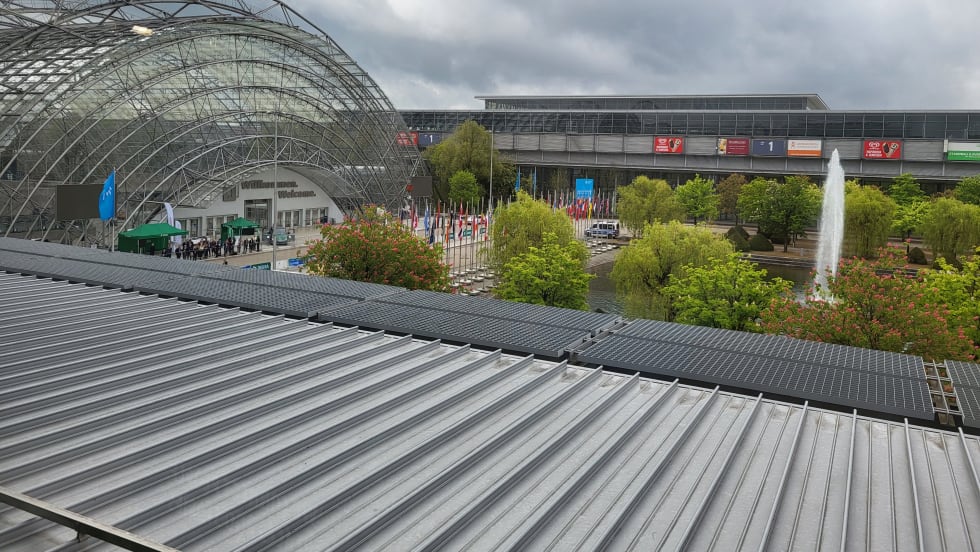
Inside ITF 2026: Transport Reacts to A Challenging World
Transport leaders from around the world gathered in Leipzig, Germany, for the 2026 International Transport Forum to discuss resilience, climate impacts, supply chains and the future of sustainable mobility.
Read More →
Every Ride Tells a Story — But You’re Not Just Selling the Ride
You’re selling the moment, the meaning, and the emotion behind it.
Read More →
How Digital Signage is Reshaping the Traveler Experience at Transportation Hubs
What was once a landscape of static signs has evolved into a responsive, immersive environment powered by real-time visual communication.
Read More →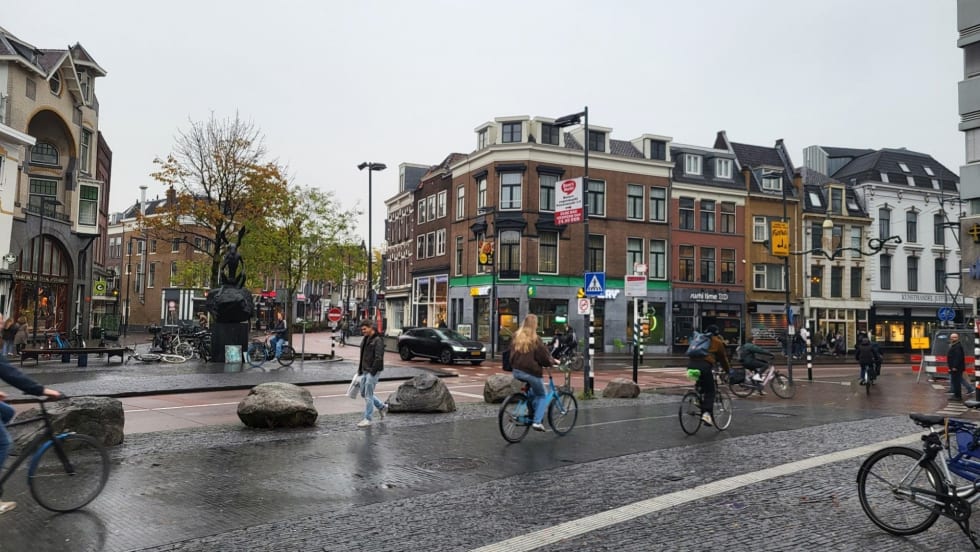
Latest Trends in Urban Mobility from Polis Conference 2025
Polis comprises cities and regions, as well as corporate partners, from across Europe, promoting the development and implementation of sustainable mobility. This year’s event had over a thousand attendees across various policy forums and an exhibition.
Read More →
Why Transit Leaders Require Better Tools for Operational Clarity In Today’s Tech-Fragmented Environment
Across North America and beyond, transit agency officials are contending with a perfect storm of operational headaches and strategic challenges that hamper daily service and long-term progress.
Read More →
The Powerless Brokers: Why California Can’t Build Transit
It is no secret that transit in the U.S. is slow and expensive to build.
Read More →
Why Transport Sustainability Should Focus on People Instead of Cars
Simply incentivizing electrification is not enough to make a meaningful impact; we must shift our focus toward prioritizing public transportation and infrastructure.
Read More →