
Metro Magazine

 MENU
 SEARCHMENUSEARCH
Loading data...

The new fare, $3 per trip for adults, takes effect in Fall 2024, coinciding with the opening of the Lynnwood Link Extension.
Read More →

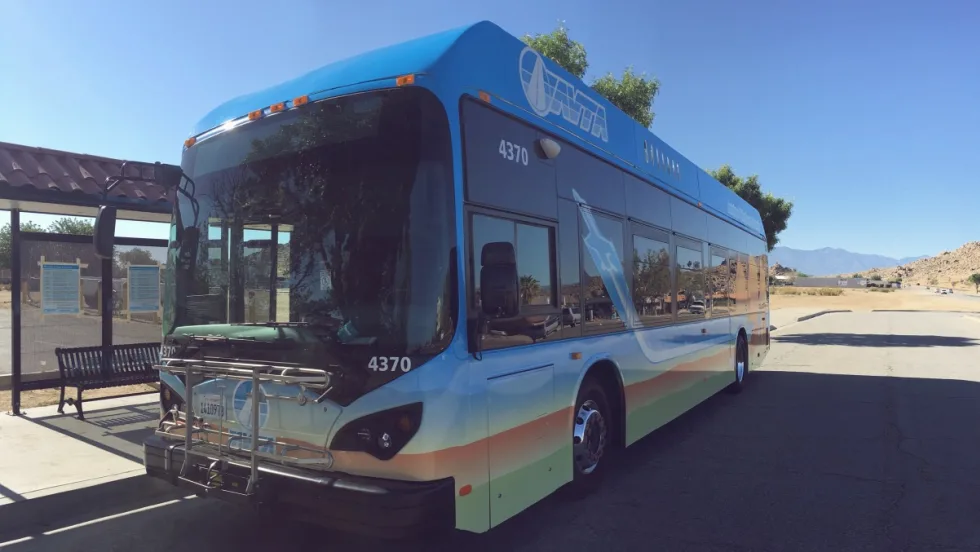



Transit systems are facing shrinking budgets and rising costs. Many are looking for different ways to raise revenue. An option is either to create or optimize revenue from an advertising program (allowing interior, exterior, shelter or transit book advertising).
Read More →Since joining Sound Transit in September 2022, Timm has overseen a renewed emphasis on the rider experience as Sound Transit approaches the opening of several new extensions, starting with East Link next spring.
Read More →Across North America, transit agencies are under growing pressure to electrify their fleets. Local and state mandates are driving the transition, and public expectations for cleaner, quieter transit are rising.
Read More →Overall, the agency's ridership for 2018 grew 2.9% to more than 48 million riders.
Read More →Learn how technology is moving beyond passive recording to become an active operational tool.
Read More →In this conversation, TBC’s Executive Director Ed Redfern, President Corey Aldridge, and Washington Representative Joel Rubin outline the coalition’s key policy priorities, the challenges facing transit agencies, and how industry stakeholders can work together to strengthen the voice of bus transit at the federal level.
Read More →The first $25 million will fund pre-development activities like site due diligence, engineering, and permitting, while the remaining $75 million will support the construction of new affordable housing, which is expected to begin within five years.
Read More →Across the U.S., municipalities and transit agencies are grappling with a growing challenge: ensuring safe, reliable, and efficient public transportation in complex and congested urban environments.
Read More →The credit agreement is the first of its kind in the nation in supporting four separate Sound Transit projects. It is expected to yield regional taxpayers long-term savings of between $200 million and $300 million in reduced borrowing costs.
Read More →