
Metro Magazine

 MENU
MENU SEARCHMENUSEARCH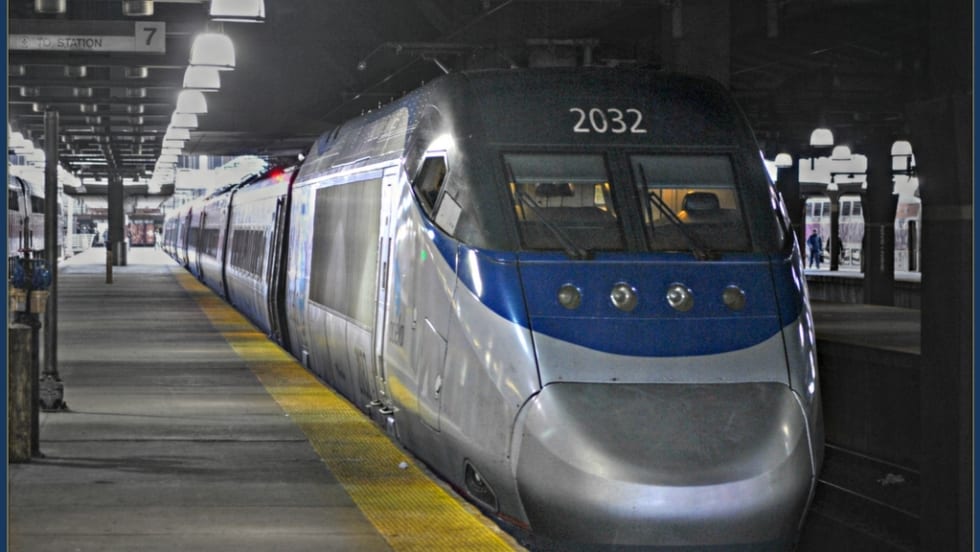
In an RFP, Amtrak is seeking up to 28 next-generation high-speed trainsets capable of meeting or exceeding current Acela trip-times on the existing NEC infrastructure. The new equipment is intended to have 40% more seats per train than current trainsets.
Read More →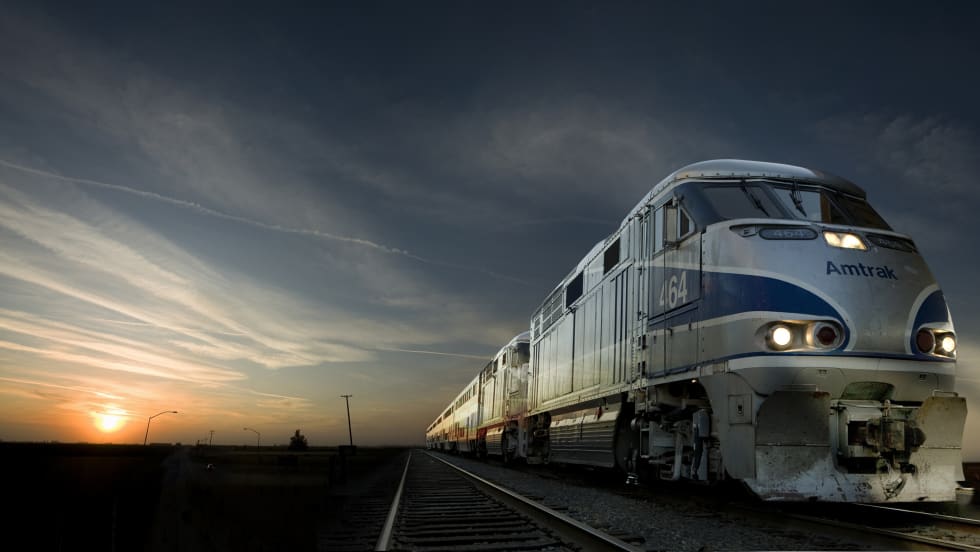
Agencies said their needs are too different and manufacturers are not yet ready to build trains that can run on both Amtrak's 100-year-old rail lines and the high-speed corridors planned for California's system.
Read More →
The rail proposed by the Texas Central High-Speed Railway would transport passengers from Dallas to Houston in about 90 minutes.
Read More →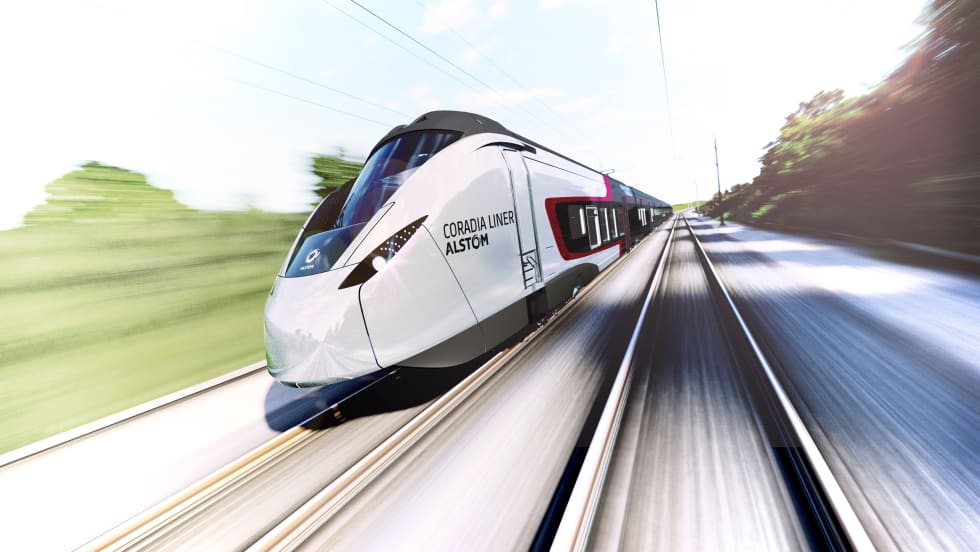
The Coradia Liner can run on all conventional rail networks, reaching speeds up to 125 miles per hour, while accommodating up to 900 passengers.
Read More →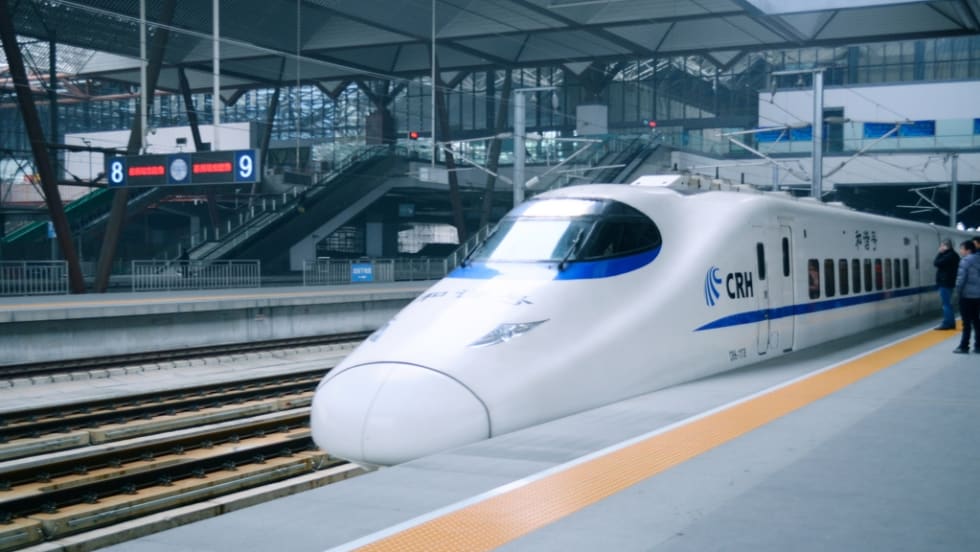
The project — known as the "China-Russia-Canada-America" line — would run for 8,000 miles. The entire trip would take two days, with the train traveling at an average of 220 mph, the report said.
Read More →
If elected, Maryland State Attorney General Doug Gansler will form a task force to develop recommendations on high-speed rail from Baltimore to Washington, D.C., saying that the commuting option would encourage more families to move to Baltimore.
Read More →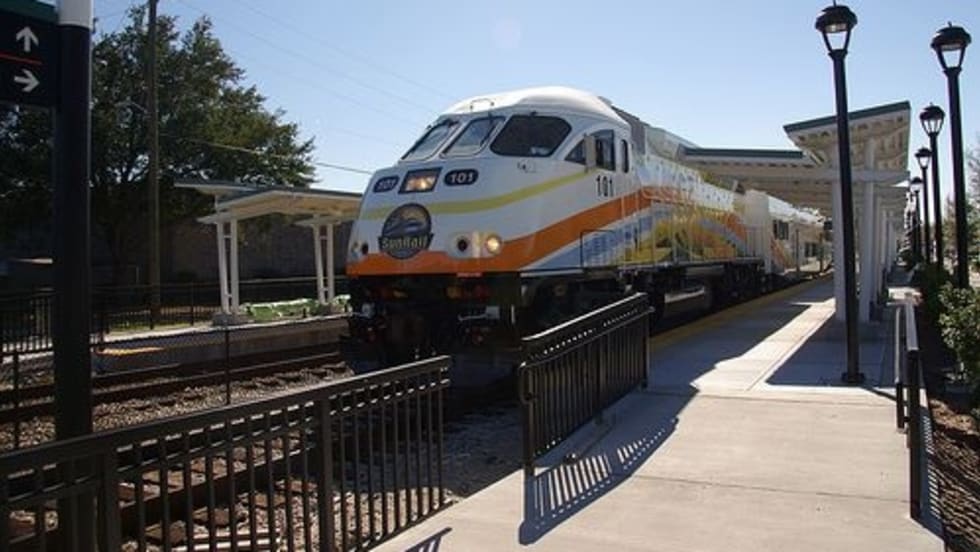
The first phase will start running along a major interstate corridor that runs through downtown Orlando on May 1. The system is expected to eventually tie into an extensive public transit network linking Orlando and Miami by a higher-speed rail system.
Read More →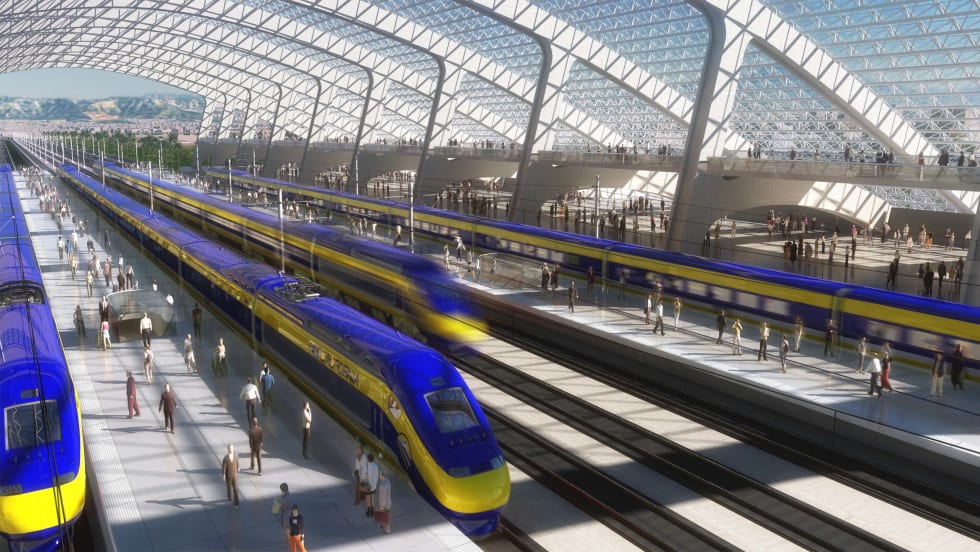
New projections are 5% lower than initially expected by 2025 and 10% lower by 2040. The change was made based on research shows that Californians are taking shorter but more frequent trips.
Read More →The measure would prevent the issue and sale of remaining high-speed rail bonds and future contracts related to the project and lets the Legislature redirect unspent bond proceeds.
Read More →The estimate is for constructing the first 520-mile phase of the train line between San Francisco and Los Angeles. That is about 1% less than the $68.4 billion estimate from the 2012 business plan.
Read More →