
Metro Magazine

 MENU
 SEARCHMENUSEARCH
Loading data...
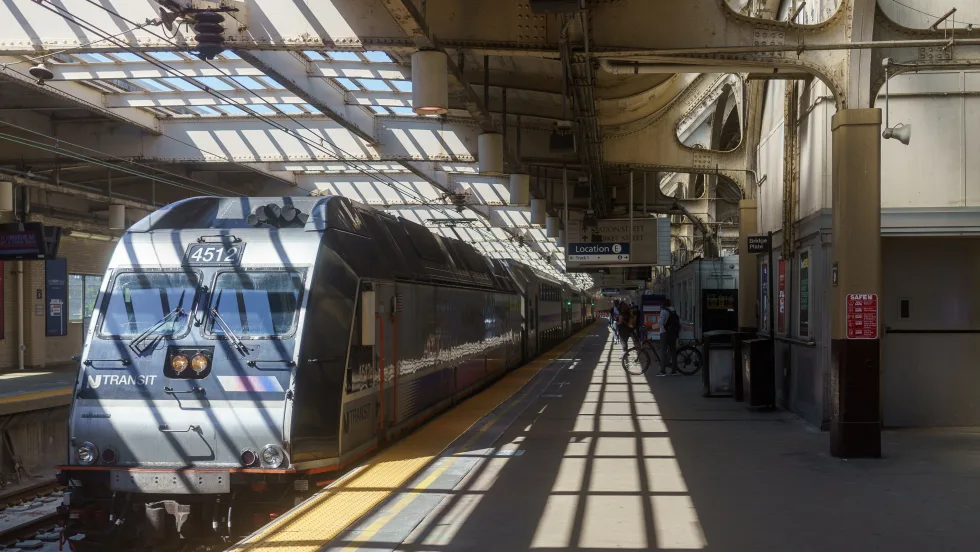
With the agreement, regular weekday train service is expected to resume on May 20, following approximately 24 hours of safety inspections, infrastructure readiness checks, and equipment repositioning.
Read More →




PSIM technology provides an integrated “cockpit” view of different security, safety and operational systems, and analyzing and correlating information across these different sub-systems in real-time.
Read More →Dr. Carol Parker Walsh discusses leadership development, employee retention, workplace culture, and preparing transit’s workforce for AI and automation.
Read More →With the growing number of city dwellers, demand for and reliance on urban transit has exploded — a fact that compels metropolitan leaders, transit agencies, and transit system architects to focus greater attention not only on efficiency and operability, but also on designing systems that enhance customers’ daily travel experiences.
Read More →An absolute horror is about to descend on car-dependent Los Angeles: a 10-mile freeway shutdown. L.A. Public transit is stepping up its game to help Angelenos get around. Could this “car-tastophe” work out in public transit’s favor?
Read More →Engel has been actively overseeing the day-to-day operations at AVTA, and is looking forward to leading the organization as its new head. He is also scheduled to speak at BusCon’s "Feature Panel: Practical Experiences with Electric Buses" session in Indianapolis Sept. 28 to 30.
Read More →Riding public transportation instead of driving can save an individual, on average, more than $844 this month. APTA releases this monthly Transit Savings Report to examine how an individual in a two-person household can save money by taking public transportation and living with one less car.
Read More →Overcome these barriers when transitioning from a traditional, business-objective approach to a customer-driven strategy.
Read More →Based on a system of bus stop ID numbers — unique five-digit numbers the agency has assigned to each of its bus stops — My Bus enables customers who have cell phones with SMS (text messaging) capabilities to receive bus schedule information for a specific stop directly to their phones.
Read More →The savings are based on the cost of commuting by public transportation compared with the cost of owning and driving a vehicle, including parking expenses and fuel prices based on current national averages.
Read More →