
Metro Magazine

 MENU
MENU SEARCHMENUSEARCH
Loading data...
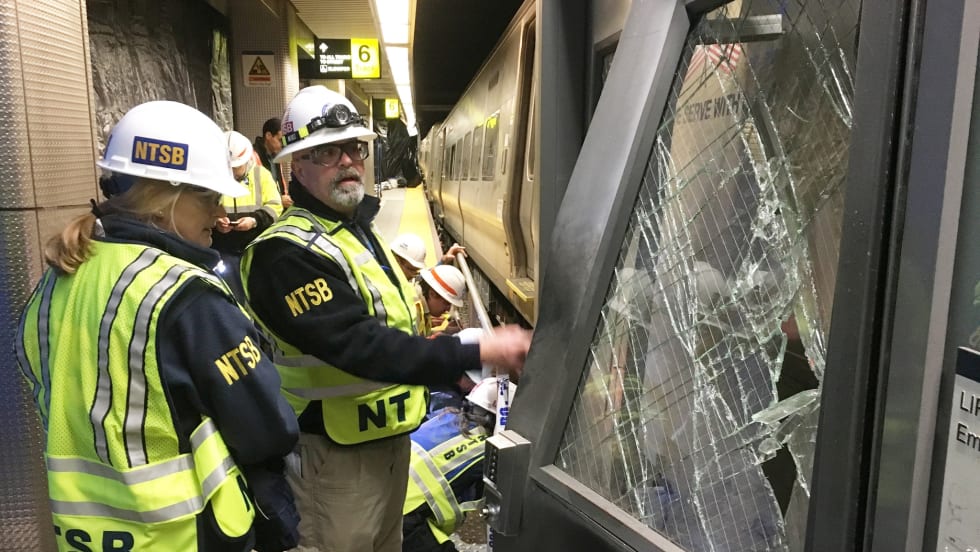
Investigators added that experts in analyzing tracks, signals, mechanics and human performance, and other specialists were examining as many factors as possible that may have led to the crash.
Read More →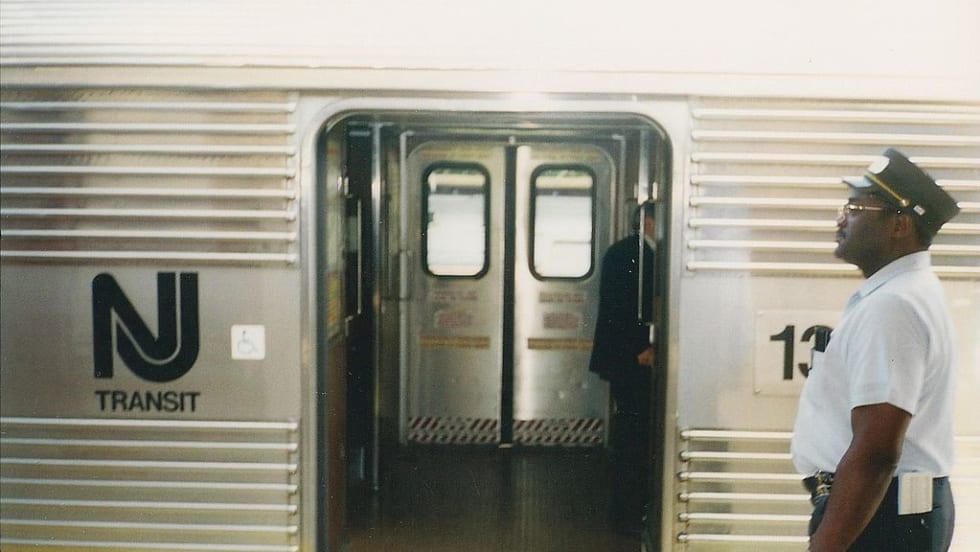
The effort by the transit agency comes on the heels of September’s accident, which killed one person standing on a platform and injured more than 100 others. It was later revealed the engineer in that crash suffered from sleep apnea, a fatigue-inducing disorder.
Read More →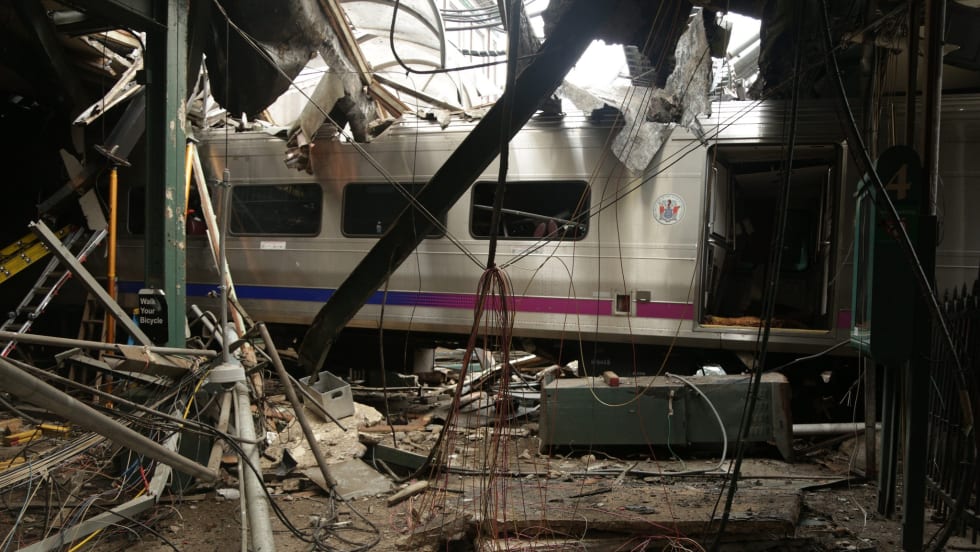
The agency disclosed a policy change that will prevent engineers suffering from sleep apnea to operate a train unless they are being treated, while federal regulators prepare a safety bulletin that will urge all railroads to screen for sleep apnea.
Read More →
Statistics show that for many people, sleep can be a matter of life or death. This may sound overly dramatic, but let’s consider that in 2005 the NHTSA conservatively estimated that drowsy driving was responsible for at least 100,000 automobile crashes, 71,000 injuries, and 1,550 fatalities annually.¹ More recently, the NHSTA estimated at least 846 people died in 2014 due to the effects of drowsy driving.
Read More →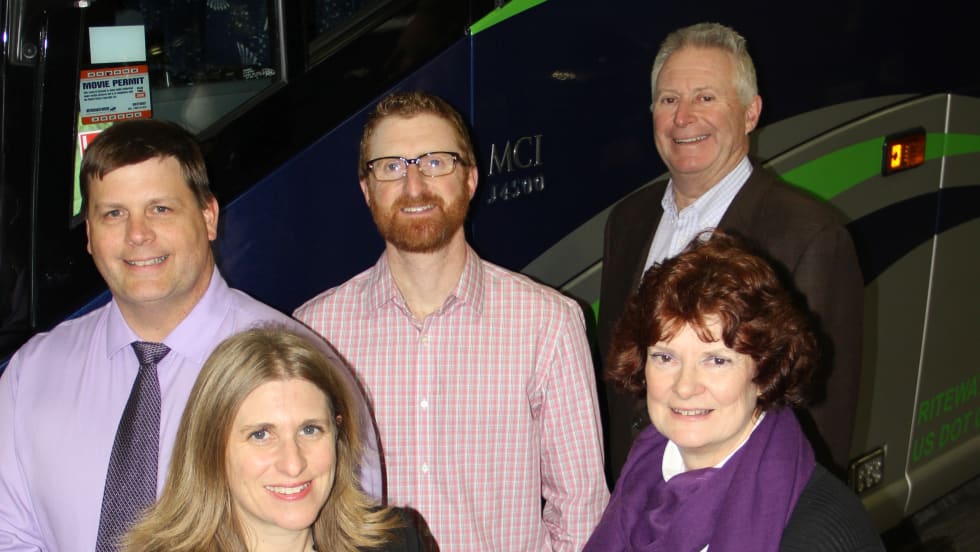
A Germantown, Wis. family affair willing to make the right business decisions.
Read More →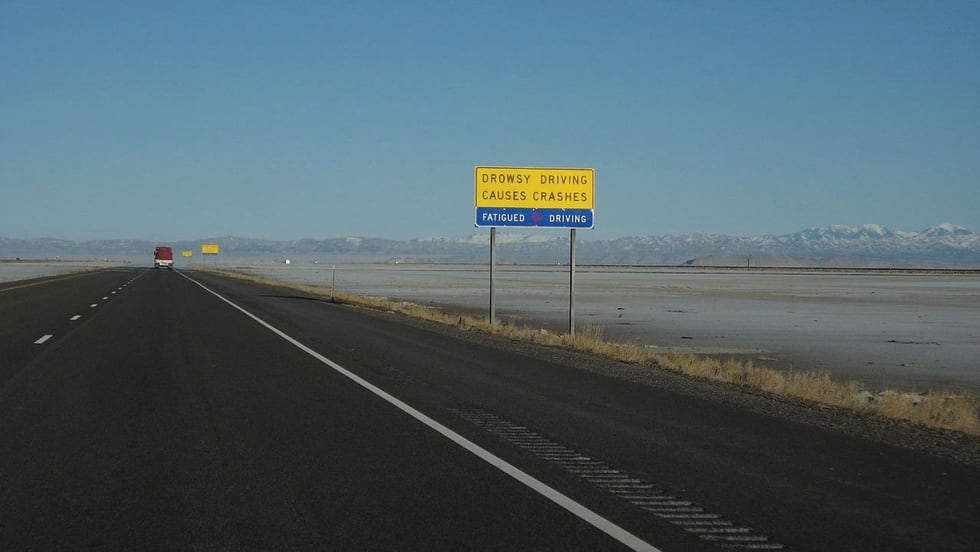
While drowsy driving doesn’t carry the same stigma as driving while intoxicated, its consequences are just as deadly. The remedy is simple — a good night’s sleep.
Read More →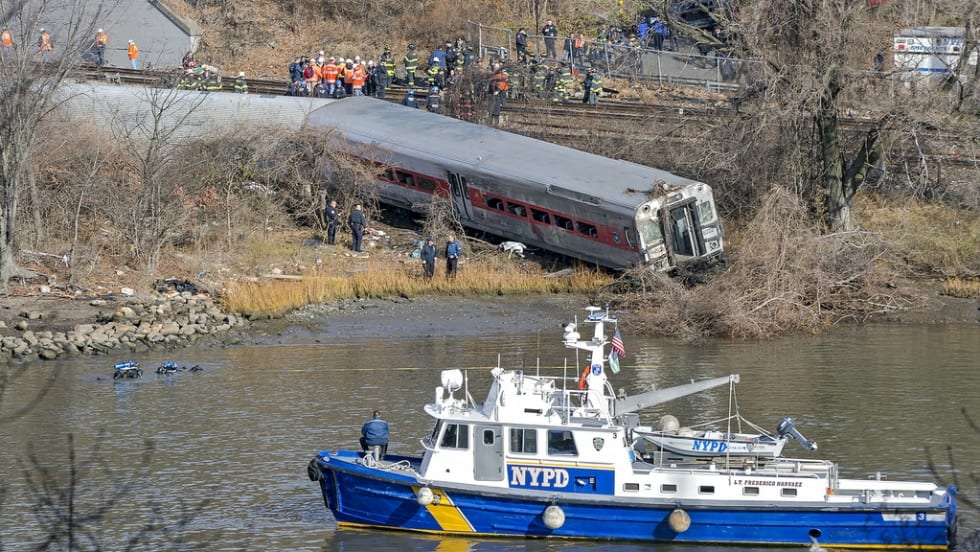
The NTSB's investigation discovered during a post-accident sleep evaluation that William Rockefeller Jr. had "severe obstructive sleep apnea," according to documents released Monday.
Read More →
Requires the FMCSA to use the formal rulemaking process if it decides to move forward with any new regulations regarding sleep apnea.
Read More →An arbitration panel ruled that Metro could continue to screen employees for sleep disorders, but needed to provide temporary provisional cards so workers could work while waiting for a sleep study.
Read More →This week, the National Transportation Safety Board delivered a safety recommendation to the Federal Motor Carrier Safety Administration urging them to implement a program to identify commercial drivers at high risk for obstructive sleep apnea and require those drivers to provide medical certification that they have been evaluated and, if necessary, effectively treated before being granted unrestricted medical certification.
Read More →