
Metro Magazine

 MENU
MENU SEARCHMENUSEARCH
Loading data...

Despite the 2011 goal to reduce carbon gas emissions by 25%, university data published by the Office of Campus Sustainability show that emissions decreased in 2012, but then increased in 2013. Transportation emissions have seen consistent decreases.
Read More →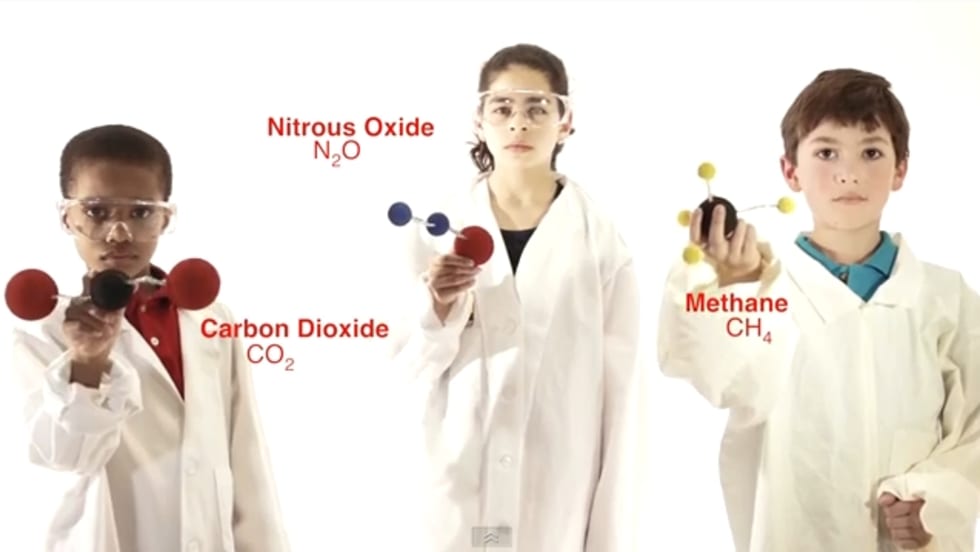

Each trip on a train or bus prevents the emission of 10 pounds of greenhouse gases, on average, compared with making that trip by car.
Read More →Solutions to create paradigm shift include BRT, avoiding unnecessary trips and improving vehicle efficiency with cleaner fuels.
Read More →States, tribes, local governments, and non-profits are eligible to apply for these grants. Projects can reduce air pollution from older school buses, transit buses, heavy-duty diesel trucks, marine engines, locomotives and other diesel engines. The closing date for receipt of proposals is June 4, 2012.
Read More →Company collaborated with other engine and vehicle manufacturers, technology suppliers, fleets and environmental organizations to provide input.
Read More →One of the first transit agencies in the country to institute a comprehensive policy aimed at reducing harmful emissions from construction equipment used in the course of the agency's transportation projects.
Read More →Among specific findings, the reports suggests reducing the number of vehicle-miles traveled through a combination of strategies, including improved public transportation, coordinated transportation and land use strategies, and greater opportunities for walking and biking — practices emphasized in the Department's livability initiative — could reduce transportation greenhouse emissions 5 percent to 17 percent by 2030.
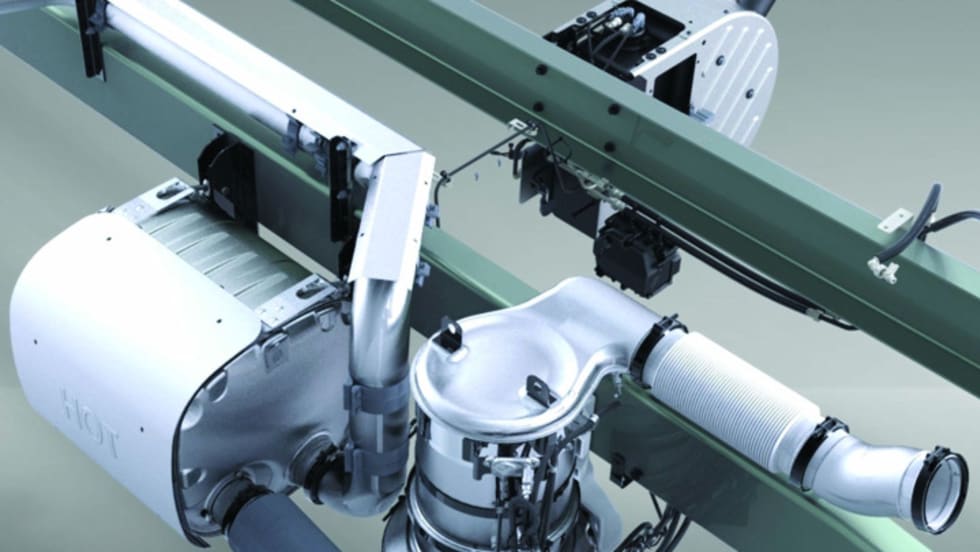
Read More →Using selective catalytic reduction (SCR) to reduce NOx, Volvo improved fuel economy and reduced emissions of the greenhouse gas CO2.
Read More →An individual switching to public transit can reduce his or her daily carbon emissions by 20 pounds or more than 4,800 pounds a year.
Read More →Panel of experts discussed how advanced EGR works; EGR vs. SCR; the cost of operations in 2010; how to save money on maintenance and fuel; and hardware, training and service.
Read More →