



Cummins supports new emissions, efficiency standards
Company collaborated with other engine and vehicle manufacturers, technology suppliers, fleets and environmental organizations to provide input.

Upon release of the first-ever greenhouse gas (GHG) emissions and fuel-efficiency standards for medium- and heavy-duty commercial vehicles, Cummins Inc. affirmed its support for the regulation and announced plans to certify its engines early to meet these standards.
Cummins has worked proactively on the regulation with a wide range of stakeholders over the past several years and is already developing the clean and efficient technology that will be needed to comply, the company reported.
The U.S. Environmental Protection Agency (EPA) and the U.S. Department of Transportation (U.S. DOT) proposed this regulation in October 2010 after President Barack Obama directed the agencies to coordinate efforts and propose a single national GHG reduction and fuel-efficiency program.
The agencies led an open process, and Cummins collaborated with other engine and vehicle manufacturers, technology suppliers, fleets and environmental organizations to provide input. The result is a workable regulatory structure that accommodates the diverse needs of the commercial vehicle sector.
Cummins continues to develop technologies that meet stringent criteria emissions (such as those for oxides of nitrogen, or NOx) as well as improve the efficiency of its engines. Last year, the company was awarded nearly $54 million in funding from the U.S. Department of Energy (DOE) to support systems-level technology development, integration and demonstration for highly efficient advanced-technology powertrains.
By burning less fuel in the engine, carbon dioxide (CO2), which is the main GHG controlled under this regulation, is simultaneously reduced. The rule finalized today by the EPA and U.S. DOT establishes equivalent CO2 and fuel- efficiency standards for engines in 2014 and 2017.
Cummins' lineup of North American on-highway engines, from the ISB6.7 to the ISX15, will be certified to meet new onboard diagnostic (OBD) requirements on Jan. 1, 2013. To provide a single product launch and multiyear stability for customers, these products will also comply with the GHG and fuel-efficiency regulations.
Today's on-highway diesel engines in the U.S. emit 99 percent less Particulate Matter (PM) and NOx than they did 30 years ago. The company's use of Selective Catalytic Reduction (SCR) technology to meet the EPA's stringent 2010 emissions standards is a building block for the new GHG and fuel-efficiency standards. SCR not only reduces NOx to near- zero levels, but it also enables reduced fuel consumption. As a result, the Cummins 2010 heavy-duty and mid-range engines deliver up to 6 percent improved fuel efficiency compared with the previous models.
More Bus

Brian Dickson on Building Stronger, More Resilient Transportation Organizations
Bus Business Consultants Founder Brian Dickson discusses the leadership principles, operational discipline, and strategic planning that separate transportation companies positioned for long-term success from those stuck in survival mode.
Read More →
LA Metro Breaks Ground on Vermont BRT Project
The 12.4-mile corridor is projected to serve 66,200 daily riders, reduce travel times by up to 24%, and create the nation's busiest bus rapid transit corridor.
Read More →
Roman Cornell on ABC Companies’ Evolution and the Future of Passenger Transportation
The company’s CEO discusses carrying forward a third-generation family legacy, ABC’s continued evolution in passenger transportation, support for increasingly complex fleets, and how technology and continued investment could help operators improve uptime.
Read More →
VIA Bus Ridership Grows 10.1% Through August 2026
San Antonio's VIA Metropolitan Transit reported the highest bus ridership growth among major Texas transit systems. Federal Transit Administration data ranked it second among the nation's 50 largest transit systems.
Read More →
LA Metro September Ridership Climbs 3.9%, Led by Rail Growth
The agency recorded more than 27.2 million boardings, with rail ridership increasing 12.4% year over year and the D Line posting the largest gains.
Read More →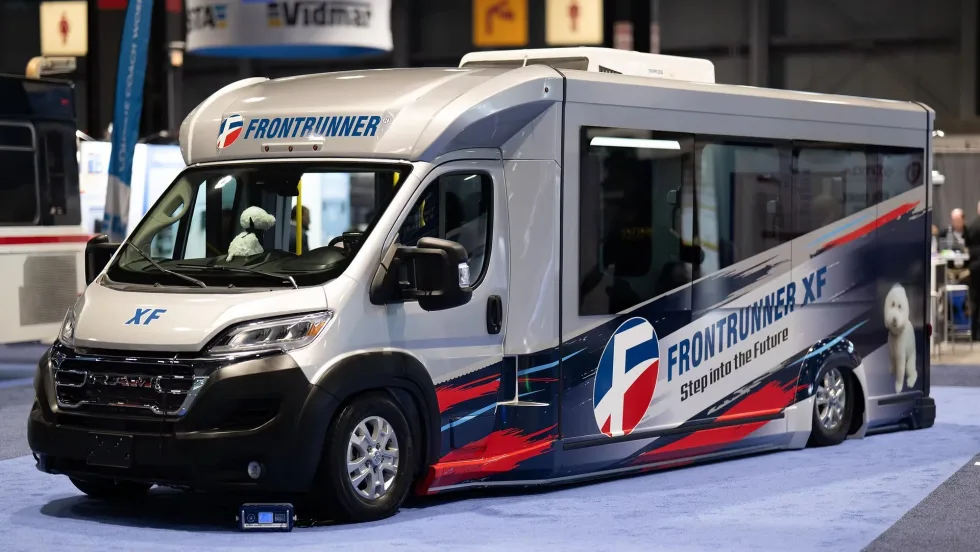
Frontrunner Bus Group Introduces XF Low-Floor Bus with Enhanced Accessibility
The new mid-sized bus features a full flat-floor design, eight-inch curbside step-in height, and zero-entry rear ramp to improve passenger access and operational flexibility.
Read More →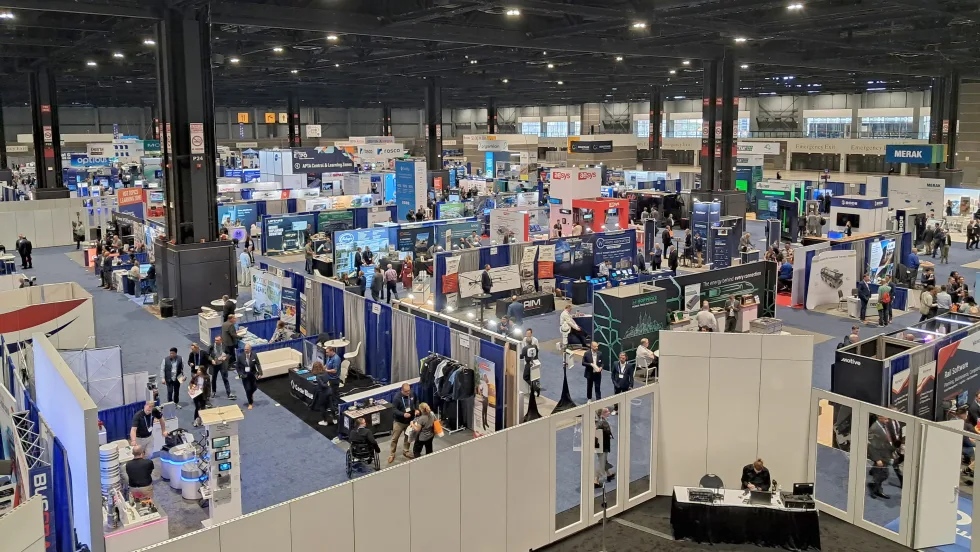
Scenes from APTA TRANSform & EXPO 2026
Transit leaders, manufacturers, and industry professionals gathered in Chicago to explore new technologies, share ideas, and discuss the future of public transportation.
Read More →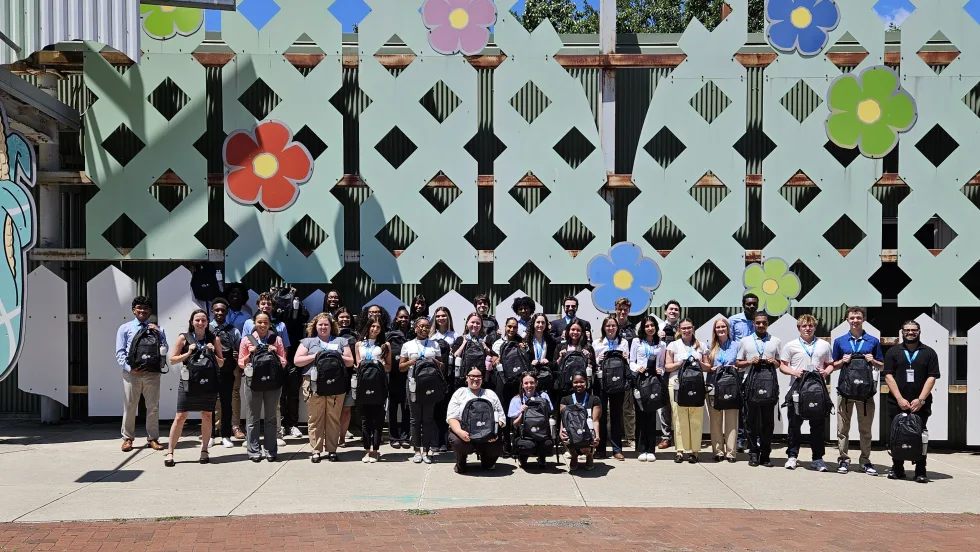
More Than a Summer Job: Building the Next Generation of Transit Talent
The Delaware River Port Authority and PATCO have transformed their internship program into a hands-on professional development experience that introduces students to the breadth of transportation careers — and creates a pipeline for future employees.
Read More →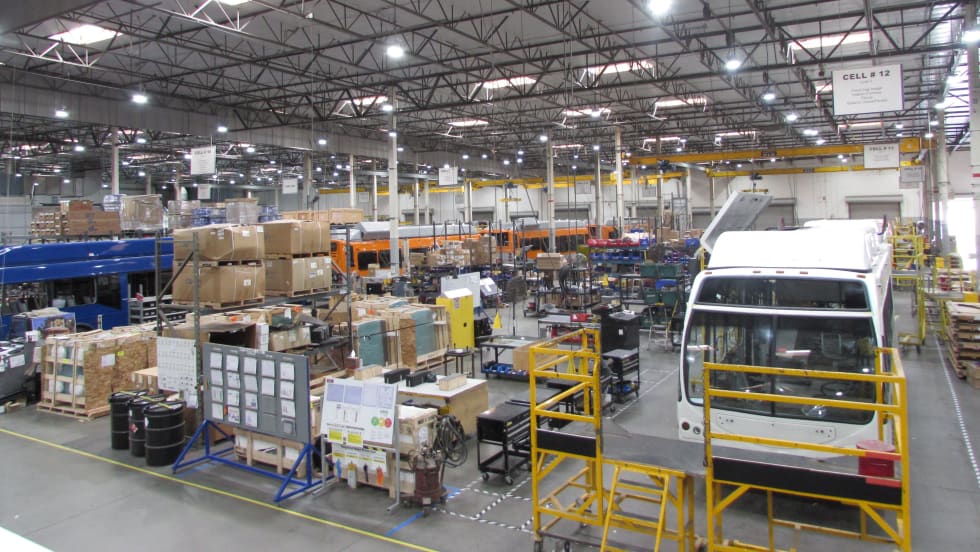
LA Metro Board Awards 220 Battery-Electric Bus Contract to ENC
The contract, which is the largest base award of battery-electric buses by a U.S. transit agency, will be built in Southern California, sustaining good jobs as LA prepares to welcome the world in 2028
Read More →
Public Transit Conference Returning to GFX in 2027, Call for Papers Now Open
The Call for Papers is now open, allowing transit agency professionals and industry experts to help shape the PTC educational program by submitting session ideas for consideration.
Read More →