



Volvo D13 engine receives EPA, CARB emissions certification
Using selective catalytic reduction (SCR) to reduce NOx, Volvo improved fuel economy and reduced emissions of the greenhouse gas CO2.


[IMAGE]VolvoEPA10EmissionsControlSystem-full.jpg[/IMAGE]Volvo’s D13 engines have been certified by the U.S. Environmental Protection Agency (EPA) and the California Air Resources Board (CARB) as meeting upcoming EPA2010 diesel emissions standards.
This means that with the continued use of the Volvo D13 engine, Prevost will maintain their essential service to the nation, but with a much smaller environmental impact, according to a statement issued by the company.
Volvo is the first manufacturer to have its heavy-duty diesel engines certified for 2010 by both EPA and CARB. These engines have been fully certified to meet EPA’s stringent standards without the use of emissions credits.
Volvo’s emissions technology for EPA2010 does more than cut emissions of nitrogen oxides (NOx) and particulate matter (PM) to near-zero levels. Using selective catalytic reduction (SCR) to reduce NOx, Volvo improved fuel economy and reduced emissions of the greenhouse gas CO2. This fights global warming and reduces dependence on imported petroleum. The Volvo solution for 2010 eliminates active regenerations of the diesel particulate filter (DPF), which saves additional fuel and requires no input from the operator, company officials said.
EPA’s certification of the D13 is another milestone in Volvo’s history as a manufacturer of heavy-duty diesel engines. The Volvo engine plant in Hagerstown, Md., is already building EPA2010 engines and is fully on track for large-scale production next year.
All engines produced after January 1, 2010 must meet the new standards. Volvo has extensive experience with SCR technology, having accumulated five million miles with 50 test vehicles in customer field test fleets in North America. Volvo also has billions of miles of real-world experience with SCR in other markets.
The SCR system was added to the existing D13 engine platform used in the North American Truck Industry since 2007 and already well known for its low end performance, smooth, quiet operation and high fuel economy.
More Bus
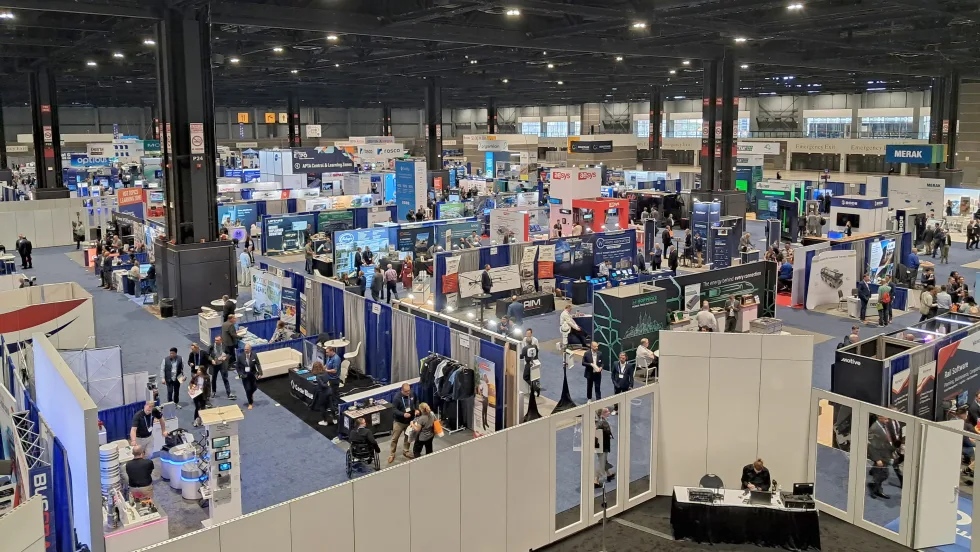
Scenes from APTA TRANSform & EXPO 2026
Transit leaders, manufacturers, and industry professionals gathered in Chicago to explore new technologies, share ideas, and discuss the future of public transportation.
Read More →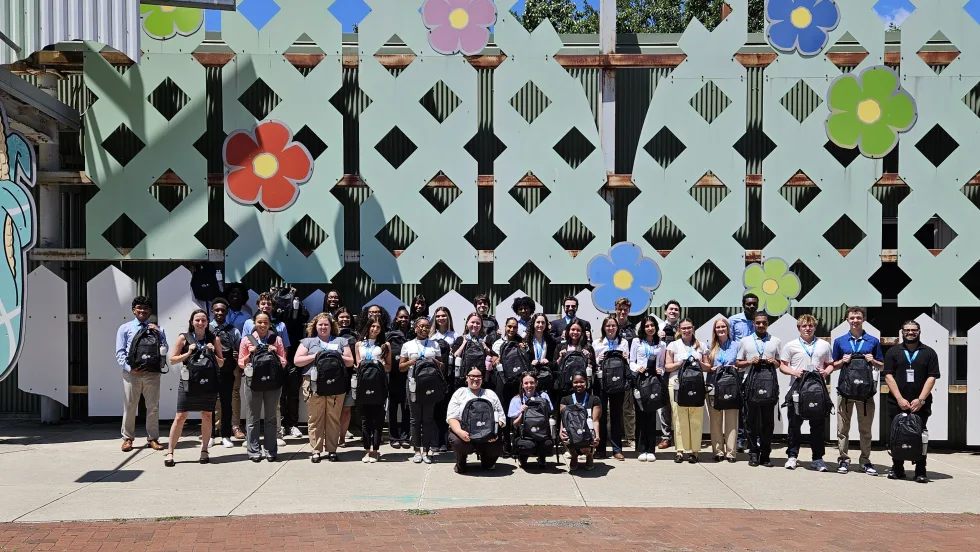
More Than a Summer Job: Building the Next Generation of Transit Talent
The Delaware River Port Authority and PATCO have transformed their internship program into a hands-on professional development experience that introduces students to the breadth of transportation careers — and creates a pipeline for future employees.
Read More →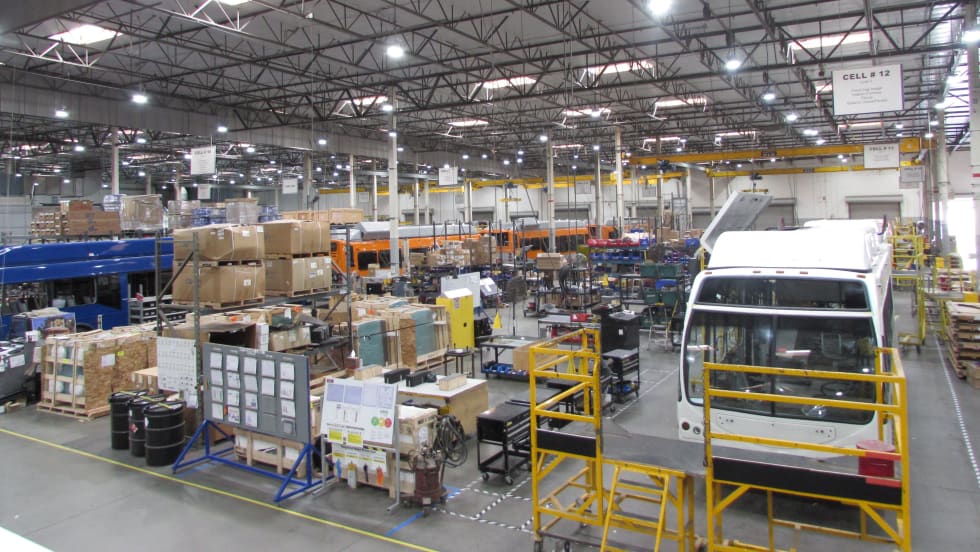
LA Metro Board Awards 220 Battery-Electric Bus Contract to ENC
The contract, which is the largest base award of battery-electric buses by a U.S. transit agency, will be built in Southern California, sustaining good jobs as LA prepares to welcome the world in 2028
Read More →
Public Transit Conference Returning to GFX in 2027, Call for Papers Now Open
The Call for Papers is now open, allowing transit agency professionals and industry experts to help shape the PTC educational program by submitting session ideas for consideration.
Read More →
Indian River Transit’s Community-Focused Approach Earns National Recognition
Named APTA’s 2026 Outstanding Public Transportation System in its size category, Florida’s Indian River County transit system continues to grow ridership through fare-free service and a focus on evolving community needs.
Read More →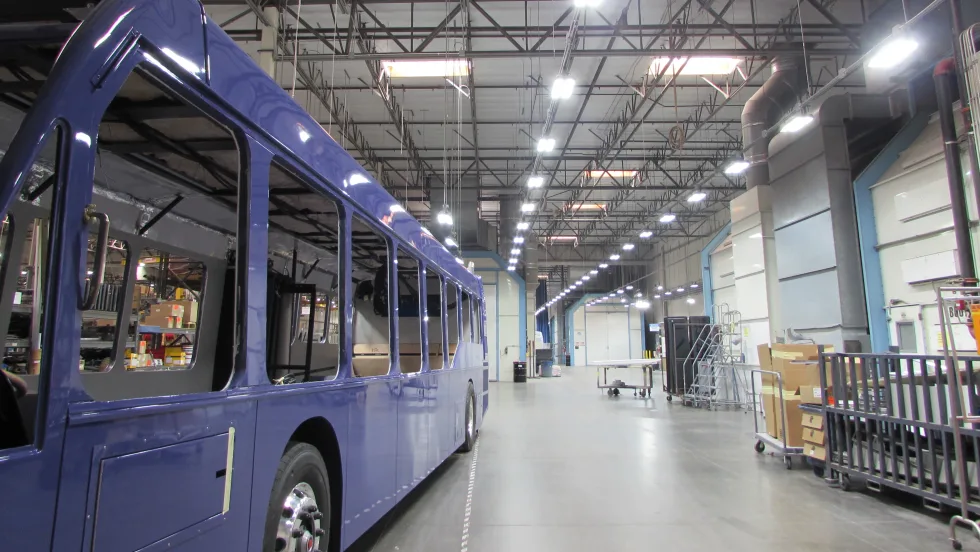
ENC Lands MATA Contract and More in Biz Briefs
In this edition of Biz Briefs, we spotlight the latest developments shaping the future of mobility.
Read More →
From Surviving to Thriving: Building Stronger Transportation Organizations
Bus Business Consultants founder Brian Dickson shares lessons on leadership, organizational health, and creating options for long-term success in a changing transportation industry.
Read More →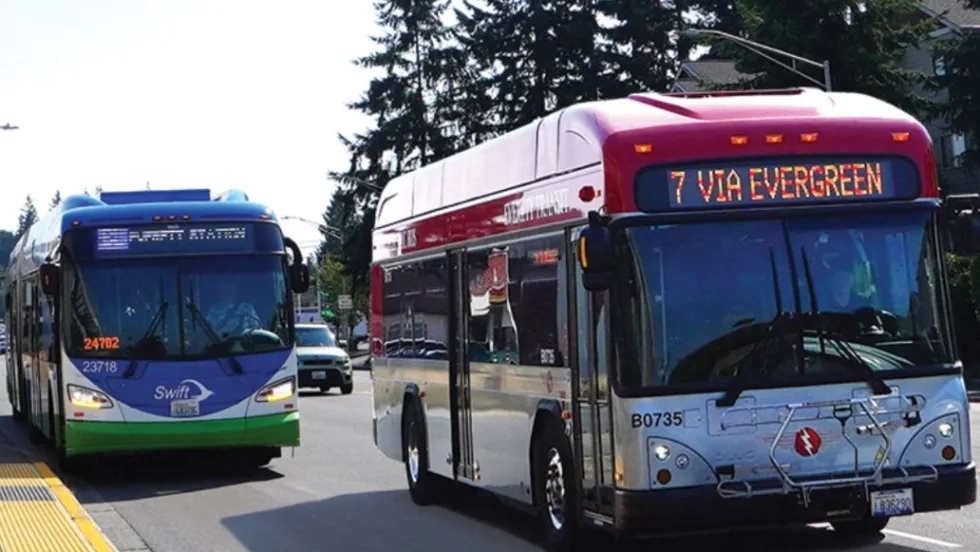
Everett Transit, Community Transit Outline Consolidation Agreement
The proposed agreement calls for a 50% increase in bus service in Everett, a new microtransit zone, continued paratransit service, and the transfer of Everett Transit operations to Community Transit.
Read More →
SEPTA Details Accelerate Vision for Transit System
The plan outlines investments in trolley modernization, new Metro and Regional Rail vehicles, accessible stations, and more frequent bus and rail service.
Read More →
Report: Transit Bus Manufacturing Supports 34,100 Jobs, $5.1B in GDP
The “Buses Mean Business” report examines the transit bus manufacturing industry’s economic footprint, supply chain, and rising demand for vehicle replacements.
Read More →