
Metro Magazine

 MENU
MENU SEARCHMENUSEARCH
Loading data...
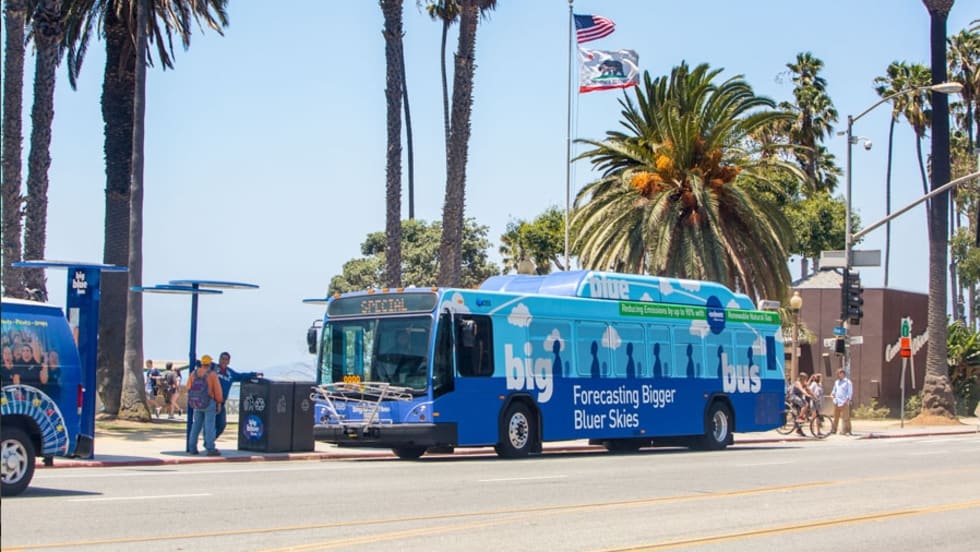
Over the last five years, RNG use as a transportation fuel has increased 577%, displacing over seven million tons of carbon dioxide equivalen.
Read More →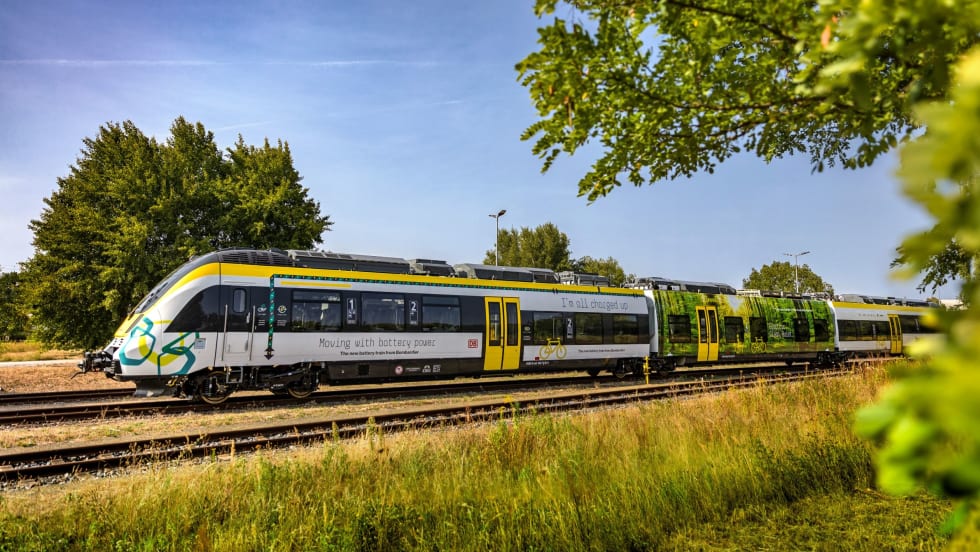
The new train is the first of its kind and was developed for Germany over the course of the past 60 years.
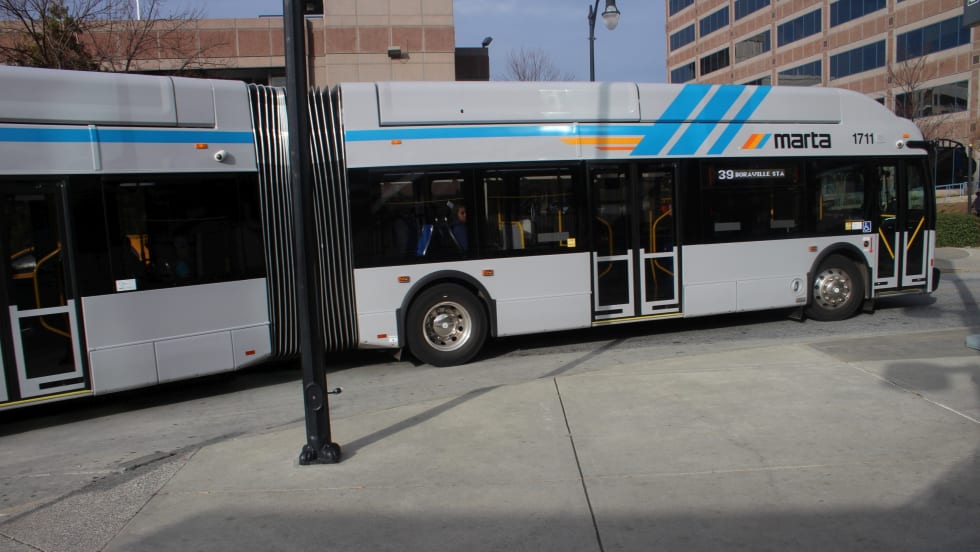
Read More →The agencies were recognized for water conservation practices, renewable electricity usage, and emissions reduction.
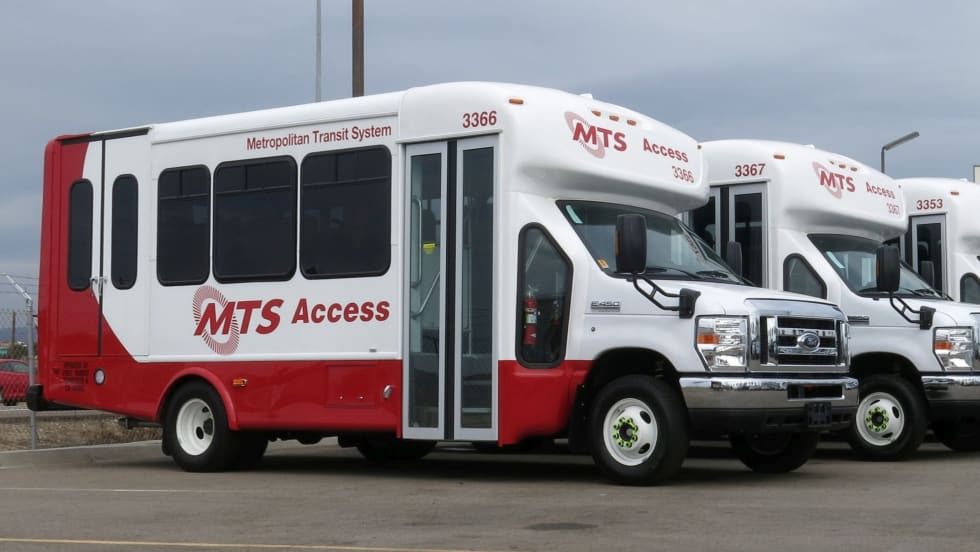
Read More →San Diego MTS will save about $5.8 million over the five- to seven-year lifecycle of the vehicles.
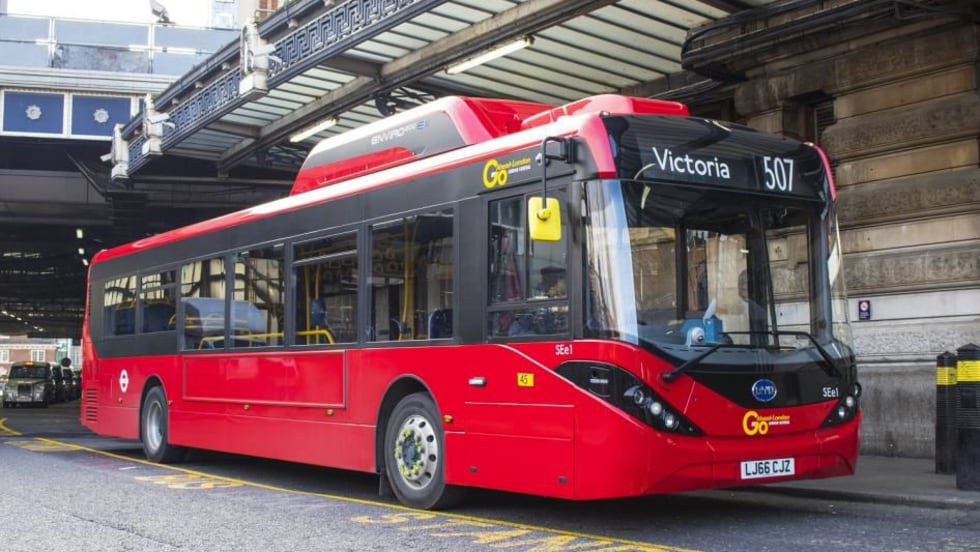
Read More →In total there are 157 BYD/ADL single-decker buses in service, or on order, for London operators with a further fleet due to enter service soon in Liverpool, with the partnership now working on a range of new products.
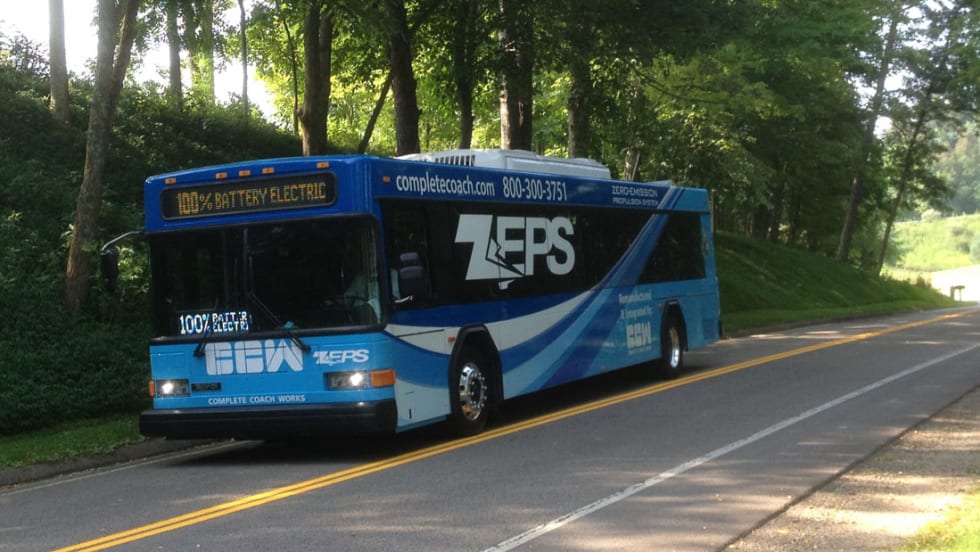
Read More →Adoption of Complete Coach Works' Zero Emission Propulsion System is part of Washington's efforts to reduce its carbon footprint and focus on electrical energy.
Read More →Public transit systems and businesses who voluntarily participate in the APTA Sustainability Commitment program pledge to implement processes and actions that create continuous improvements in environmental, social, and economic sustainability.
Read More →The new buses, which feature a bike rack for up to three bikes, stop at or near Museum Row downtown, the University of Louisville, Speed Museum, Churchill Downs, the Kentucky Derby Museum, Old Louisville, restaurants, hotels and much more.
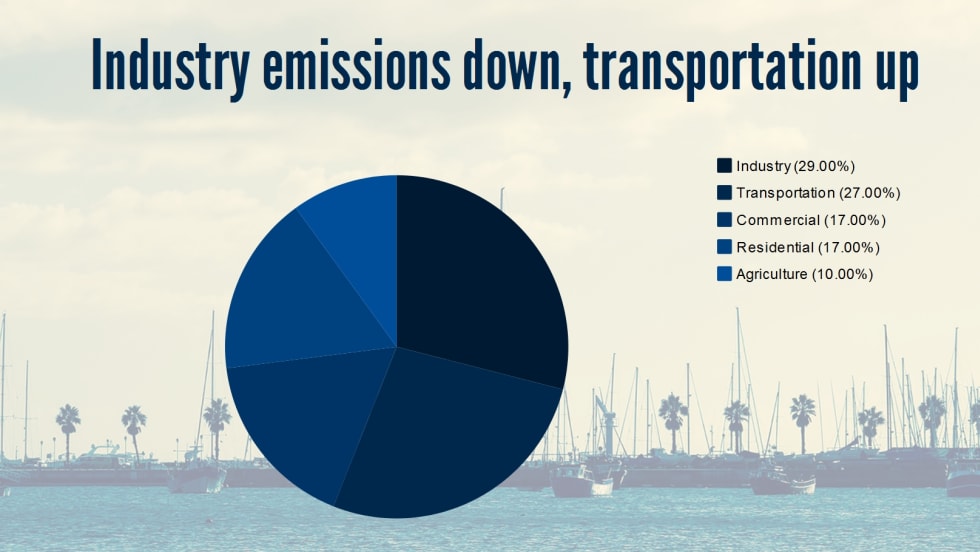
Read More →Industry, still the nation's largest emitter, accounts for about 29% of all emissions — down from nearly 36% in 1990. However, transportation — the country's second-largest contributor to greenhouse emissions — has increased its share from 24% in 1990 to 27% in 2014.
Read More →In all, seven transit providers in five states will receive a share of $22.5 million toward transit buses and related facilities that utilize battery-electric, fuel cell, and other innovative technologies to reduce harmful greenhouse gas emissions.
Read More →