
Metro Magazine

 MENU
MENU SEARCHMENUSEARCH
Loading data...
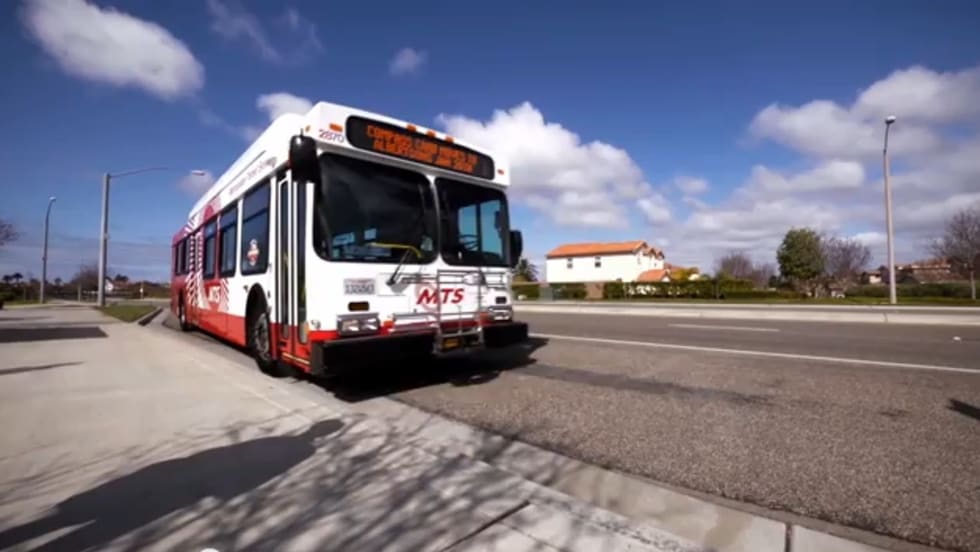
Using both live footage and animation, the Eco-Driving Training video introduces SmartDrive Safety's simple, smooth driving techniques that promote safety and fuel efficiency within public transit.
Read More →
By extending the programs through 2023, the bill would provide more than $2 billion in clean air and transportation funding in California.
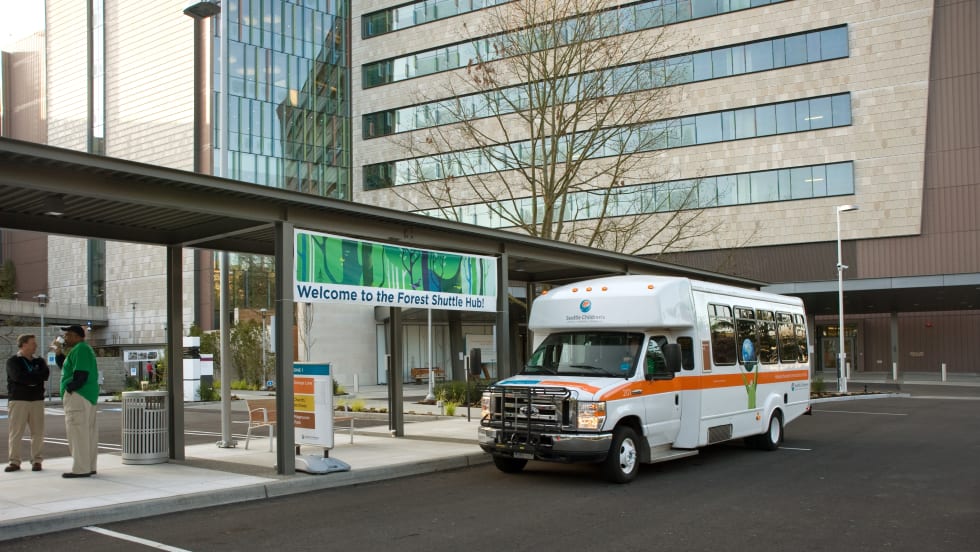
Read More →Sees an estimated savings of $5,000 to $6,000 a year in maintenance costs alone on the 15 bi-fuel shuttles, and has reduced its fuel spent by 50% compared with gasoline.
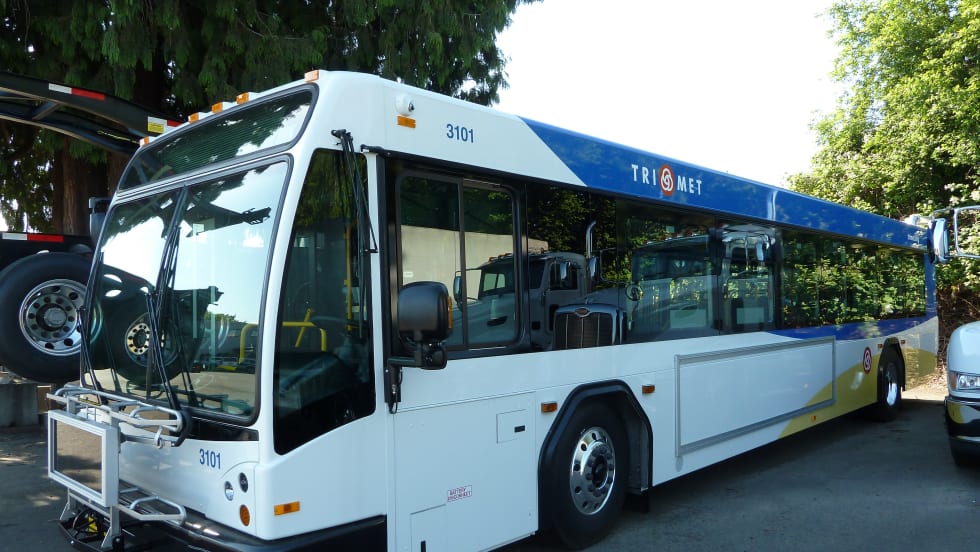
Read More →Put the first six into service. All the vehicles will be in service by the fall. The 3100s are more fuel- and emissions-efficient and include operator and rider improvements.
Read More →The Tire Comparator (Type II) provides an easy method of ensuring mated tires are within tolerance.
Read More →Savings were achieved across multiple transit authorities and routes varying in elevation and length.
Read More →Effective January 1, Everett Transit will increase its fares by 25 cents for most riders. City raised fares to offset rising fuel prices and expects to generate $400,000 to $480,000 in extra revenue next year.
Read More →Spent nearly $538,354 during the 2011 fiscal year for 177,398 gallons of fuel. For the 2012 fiscal year so far, school trams used 94,709 gallons of fuel by the end of the fall semester at a cost of about $314,290.
Read More →Program has generated almost $2.4 million in savings for five agencies with contract prices of $2.30 per gallon for diesel fuel and $2.11 for gas. The first two years of the hedging program generated $632,811 in savings the first year and more than $3.4 million in the second year.
Read More →In recognition of the agency's committment to operational and energy efficiency and sustainability, it will receive the “Energy Efficiency Leader Award” this week from Thermo King.
Read More →