



Seattle hospital's move to propane fleet maximizes savings, sustainability
Sees an estimated savings of $5,000 to $6,000 a year in maintenance costs alone on the 15 bi-fuel shuttles, and has reduced its fuel spent by 50% compared with gasoline.


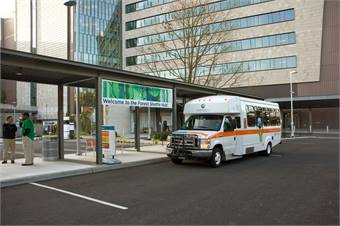
Seattle Children’s Hospital (SCH), a nationally recognized pediatric, research and teaching hospital, addition of propane-fueled shuttles has helped sustain its eco-friendly initiatives and cut fuel costs.
Commuter Services Goes Green
Located in a well-established residential area of Seattle, SCH is committed to reducing the number of “drive alone” trips generated by hospital staff. The hospital provides a variety of commuter services, including fully subsidized public transit fares, an innovative bicycling program, carpool incentives and educational programs on environmental accountability.
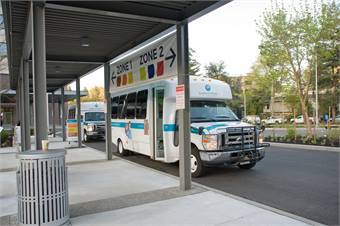
SCH also provides parking and shuttle operations for more than 8,000 staff with connections to public transit hubs and between the hospital, university and research institute facilities. The hospital’s shuttle system operates 16 hours a day and averages 40,000 riders per month. SCH’s combined commuter services, and propane autogas, play a key role in the hospital’s green commuter system.
“Sixty percent of our day-time staff use an alternative commute mode to get to work, including our shuttles,” said Sandy Stutey, manager, transportation programs at SCH. “With propane autogas, we can say we’re reducing particulate emissions from our shuttles by 30 to 40 percent. That’s significant.”
SCH operates a fleet of 15 clean-burning, bi-fuel propane autogas shuttles. In addition to supporting the hospital’s sustainability goals, the fleet plays a role in meeting commute trip reduction laws for the state of Washington, which requires employers with over 100 employees to reduce the number of people commuting by car.
“We’ve taken it upon ourselves to lease space in existing lots and shuttle people in with a focus on creating a lesser environmental impact,” Stutey said. “We take up to 600 cars a day off the road for that final two to three miles of the commuter’s drive.”
Tailoring the Right Ride
Prompted by rising fuel costs and forward thinking within the transportation department, six years ago SCH hired a consultant to evaluate alternative fuel options for the hospital. At the time, lack of equipment and zoning issues for infrastructure made the switch implausible. When Blue Star Gas, a local propane retailer, approached Stutey in 2010 about tailoring a propane autogas solution, the hospital tested six 14-passenger V8 bi-fuel shuttles.
By September of 2011, SCH adopted five more bi-fuel Ford cutaways and the fleet has since grown to 15. According to Stutey, making the switch required “commitment and collaboration” from multiple vendors in addition to some unique equipment offerings.
“One of the things that attracted us to this system is that it’s a conversion that fits right in the chassis,” Stutey said. “We bought unleaded fuel chassis and added on the carburation system for propane autogas. It retains the unleaded tanks and carburetion as a back-up system, which can extend the overall range. It can also be removed and transferred to a different vehicle down the road, posing an even greater ROI.”
When the department converted its larger 24-passenger V10 shuttles, they were outfitted with an extra saddle tank to maximize fuel capacity and to ensure they could run a full day on the longest routes, about 150 miles to 180 miles, on propane autogas alone. Annual driver training ensures that staff runs the bi-fuel shuttles primarily on propane, maximizing fuel savings for the department.
“The big win for me is that the drivers hold themselves accountable to make sure we run on propane autogas at all times,” said Kyle Brown, manager, parking and shuttle operations, at SCH. “I was worried drivers would switch back to unleaded or not pay attention to the gauge, but they try really hard to make sure the shuttles run 100 percent on propane autogas.”
According to Brown, drivers do a proper post-trip inspection at the end of each day and refill tanks for the next day’s route. Adequate space and zoning issues prevented the hospital from installing infrastructure on-site, but Blue Star Gas responded to its needs and established public infrastructure less than a mile from the hospital.
Economical & Environmental Benefits
Brown estimates the department saves $5,000 to $6,000 a year in maintenance costs alone on the 15 bi-fuel shuttles, and has reduced its fuel spent by 50% compared with gasoline.
As the number of propane autogas vehicles in Seattle increases, SCH has capitalized on volume fuel discounts from the public refueling station nearby. The hospital has further bolstered savings by applying for alternative fuel grants and incentives.
“Blue Star knows what [incentives] we’re qualified for and helps us get the most benefit,” Brown said. “They helped us take advantage of the federal alternative fuel tax incentive in 2012 which further reduced our costs.”
The transportation department is currently analyzing data to determine overall cost savings and return on investment on the bi-fuel fleet, but estimates an 18-to-24 month ROI. For Stutey, the fleet has already met her measures of success.
“Anytime the hospital can save on operating costs we are putting dollars back into high quality care or life-saving research for our patients. And helping the environment is an additional win for staff and the department,” Stutey said.
To learn more about propane-autogas-fueled fleets and the Propane Education & Research Council, visit autogasusa.org.
More Paratransit
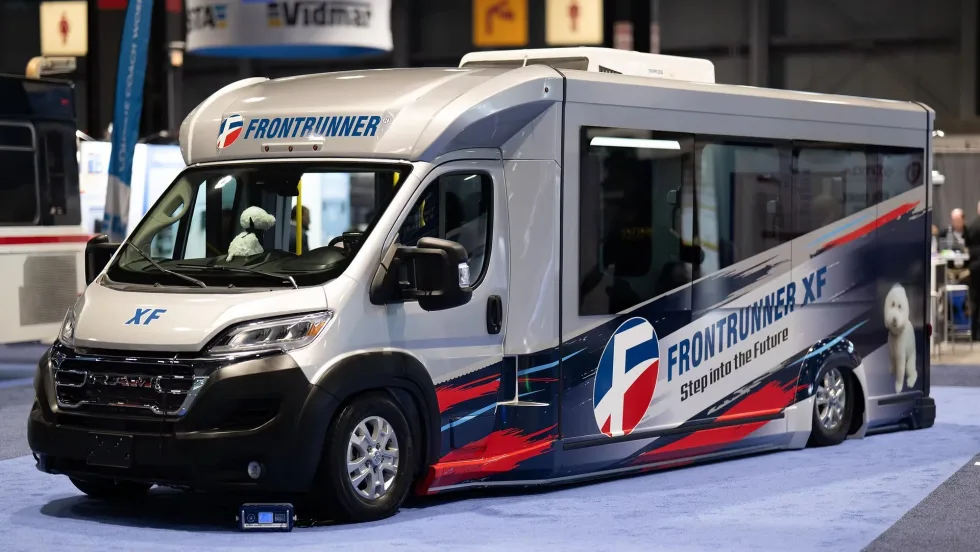
Frontrunner Bus Group Introduces XF Low-Floor Bus with Enhanced Accessibility
The new mid-sized bus features a full flat-floor design, eight-inch curbside step-in height, and zero-entry rear ramp to improve passenger access and operational flexibility.
Read More →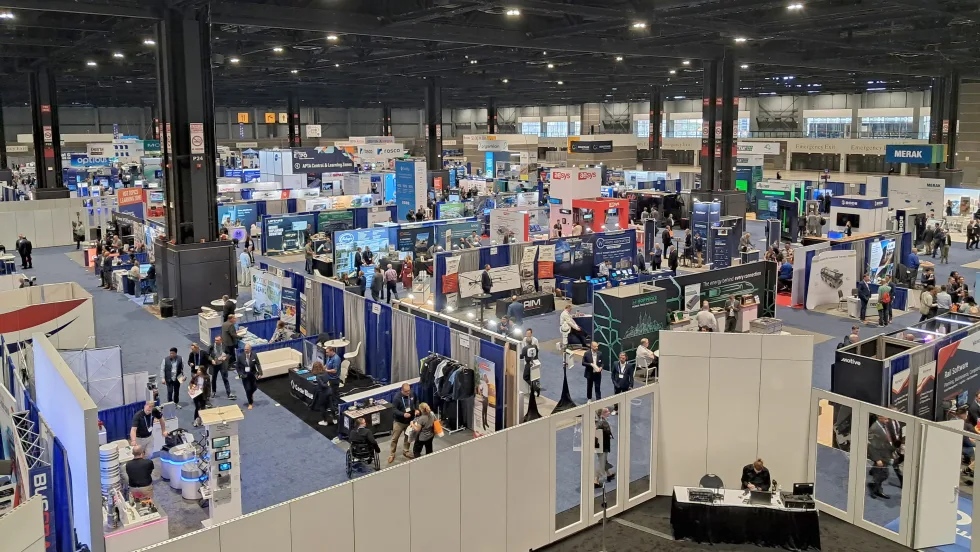
Scenes from APTA TRANSform & EXPO 2026
Transit leaders, manufacturers, and industry professionals gathered in Chicago to explore new technologies, share ideas, and discuss the future of public transportation.
Read More →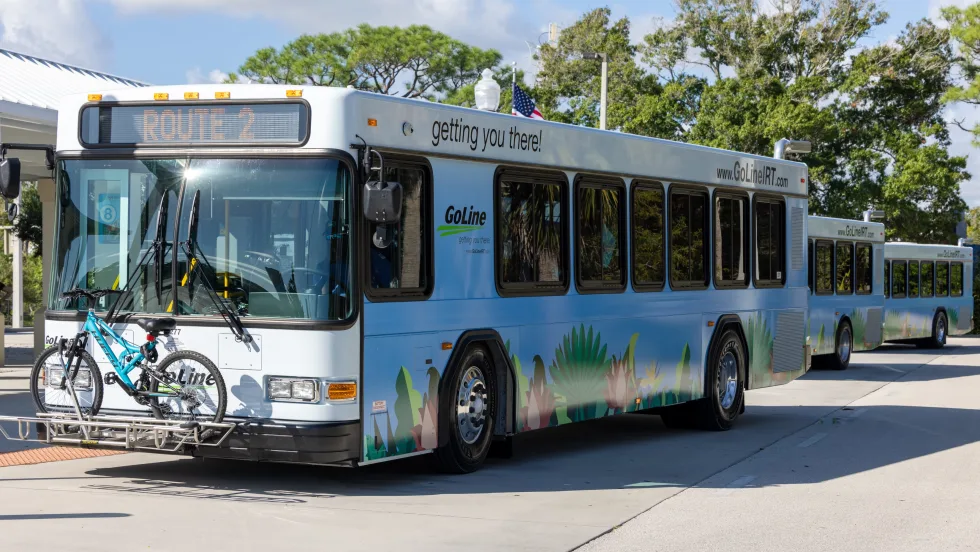
Indian River Transit’s Community-Focused Approach Earns National Recognition
Named APTA’s 2026 Outstanding Public Transportation System in its size category, Florida’s Indian River County transit system continues to grow ridership through fare-free service and a focus on evolving community needs.
Read More →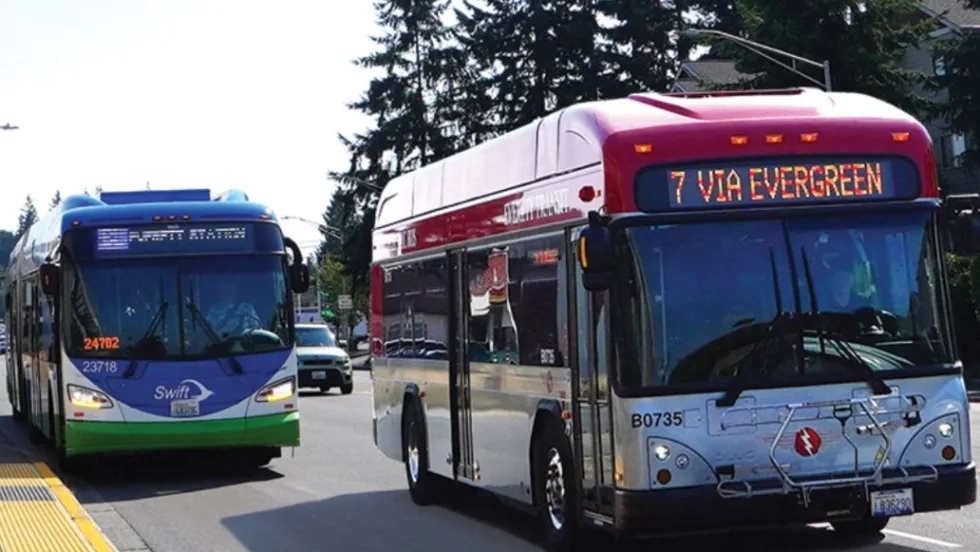
Everett Transit, Community Transit Outline Consolidation Agreement
The proposed agreement calls for a 50% increase in bus service in Everett, a new microtransit zone, continued paratransit service, and the transfer of Everett Transit operations to Community Transit.
Read More →
Driving Smarter Paratransit
John Hanlon shares how AlphaRoute is leveraging AI-powered technology to help paratransit providers optimize operations, support frontline staff, and enhance the rider experience.
Read More →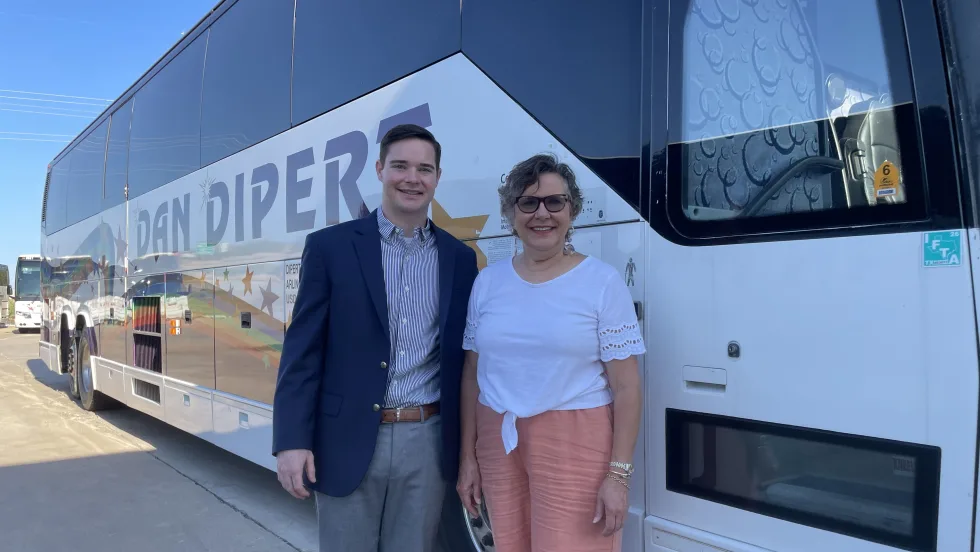
People Movement: Dan Dipert Coaches Adds Third-Generation Leader, Keolis Names New Valley Metro VP/GM, and More
In this edition, we also cover recent appointments and announcements at the Wabtec, SilverRide, HNTB, and more, showcasing the individuals helping to shape the future of transportation.
Read More →
Biz Briefs: RIPTA Unveils New Frontrunners, Clevland RTA Adds New Siemens, and More
In METRO's latest installment, we take a look at recent news from Siemens, Prevost, Dodge, and more partnerships making headlines across the transportation sector.
Read More →
King County Metro Makes ADA Paratransit Easier to Navigate
METRO's Innovative Solutions Award winner replaces complex service-area descriptions with an accessible, interactive map that puts paratransit information directly in customers’ hands.
Read More →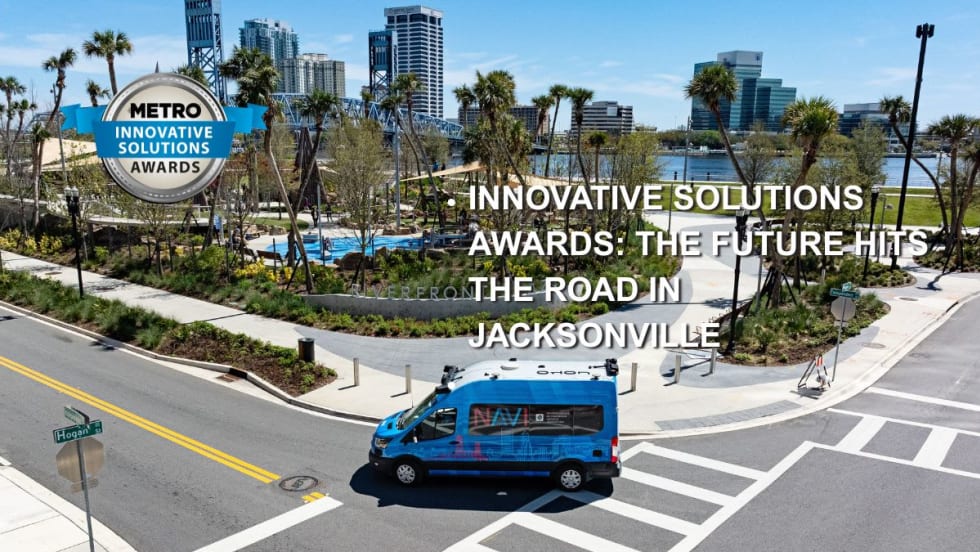
Jacksonville’s NAVI Project Charts a New Course for Autonomous Public Transportation
Through its NAVI program, JTA is showing how autonomous vehicles, intelligent infrastructure, and coordinated operations can work together to deliver everyday public transportation.
Read More →
Driving Smarter Paratransit
John Hanlon shares how AlphaRoute is leveraging AI-powered technology to help paratransit providers optimize operations, support frontline staff, and enhance the rider experience.
Read More →