



California extends clean vehicle, fuel incentives through 2023
By extending the programs through 2023, the bill would provide more than $2 billion in clean air and transportation funding in California.

The California State Senate and Assembly approved a measure to continue the state's clean vehicle and fuel incentives through 2023.
Assembly Bill 8, authored by Assembly member Henry T. Perea, with Sen. Fran Pavley as principal co-author, would provide more than $2 billion in funding to help fleets and consumers purchase clean and low carbon cars, trucks, buses and construction equipment. It is now with Gov. Jerry Brown for his signature.
The programs that would be extended include the AB 118 clean fuel and vehicle programs and the Carl Moyer and AB 923 local air district funds for diesel emission reduction. By extending the programs through 2023, AB 8 would provide more than $2 billion in clean air and transportation funding in California.
The bills also dedicate funding, in lieu of regulatory action, to construct the minimum fueling infrastructure necessary to support the impending introduction of hydrogen fuel cell vehicles.
The Senate voted to pass AB 8 on a bipartisan 29 to 6 vote. The bill went back to the Assembly for concurrence, where it garnered the required a two-thirds majority.
In addition to CALSTART, the other two co-sponsors of the Perea-Pavley bill are the California Air Pollution Control Officers Association (CAPCOA) and the American Lung Association in California.
More Management
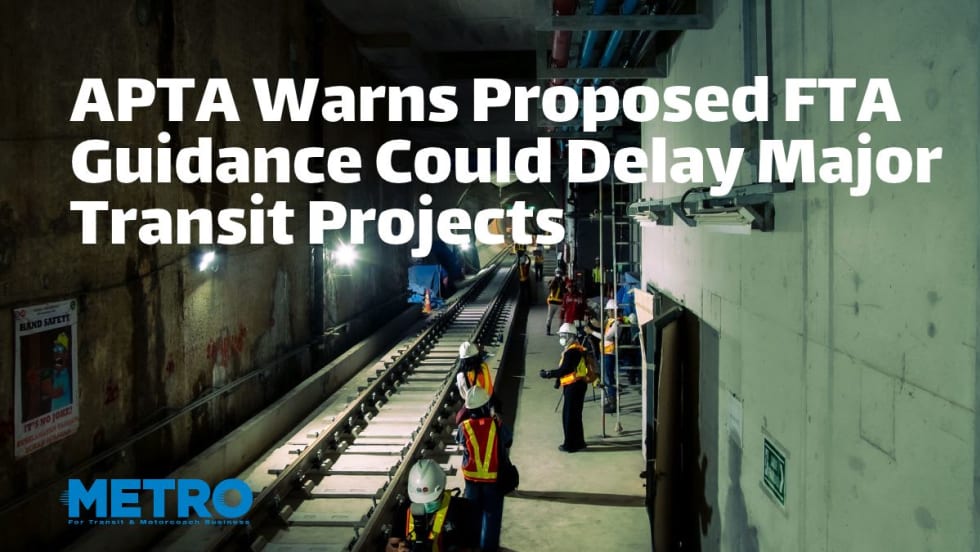
APTA Urges FTA to Withdraw Proposed Capital Investment Grants Guidance
The association warns that proposed changes could delay transit projects, reduce federal funding, and create new hurdles for 47 projects currently in the CIG pipeline.
Read More →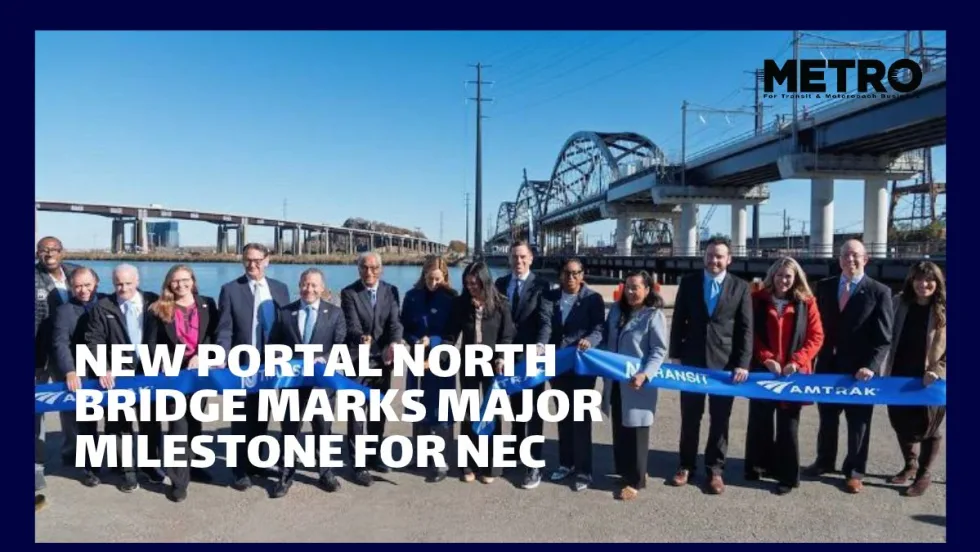
Amtrak, NJ TRANSIT Launch Full Service on New Portal North Bridge
The completion of the two-track bridge over the Hackensack River eliminates a longstanding source of delays for NJ TRANSIT and Amtrak customers. It marks a major milestone for the Gateway Program.
Read More →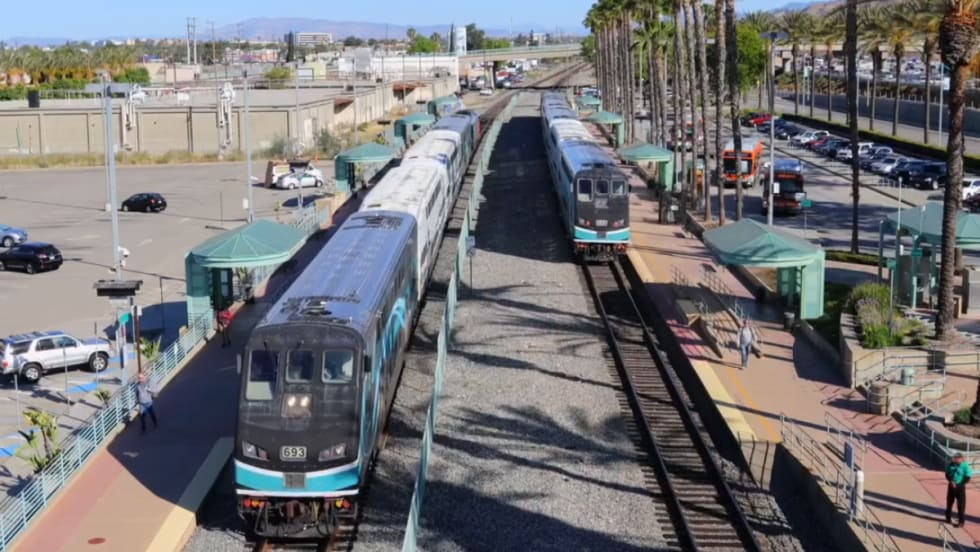
Southern California’s Metrolink Approves $508.8M Budget, Avoids Service Cuts
A $20 million state allocation allows the regional rail agency to maintain existing weekday and weekend service through fiscal year 2028, although longer-term funding challenges remain.
Read More →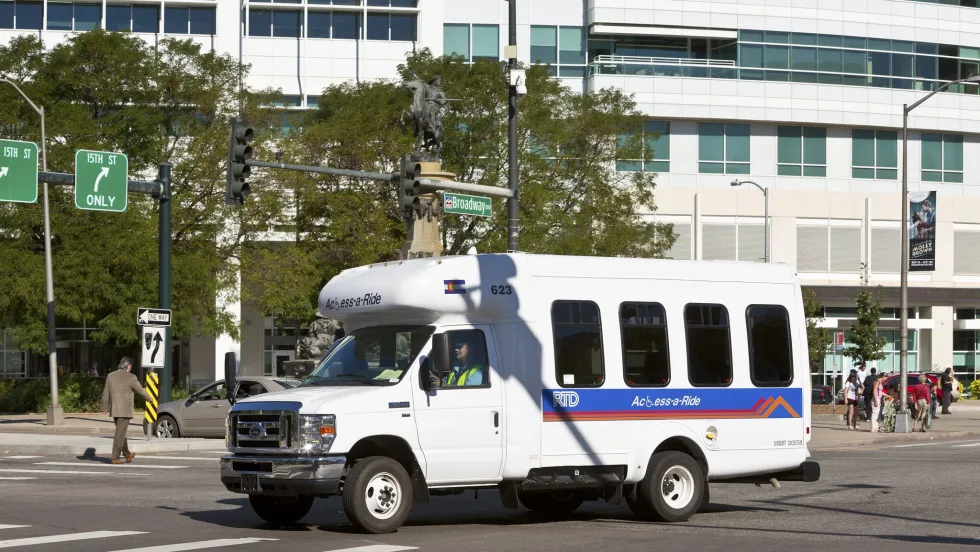
Denver RTD Committee to Review Paratransit Services, Improve Accessibility
The committee will oversee an independent study of paratransit operations, gather customer feedback, and recommend improvements to service reliability, accessibility, and accountability.
Read More →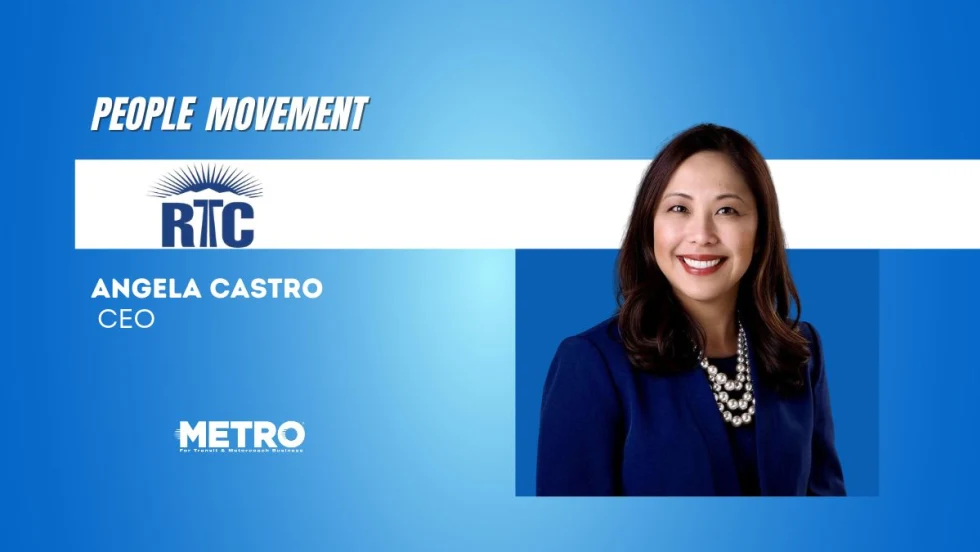
Castro to Lead RTC of Southern Nevada and More in People Movement
In this edition, we also cover recent appointments and announcements at the STV, MCI, and more, showcasing the individuals helping to shape the future of transportation.
Read More →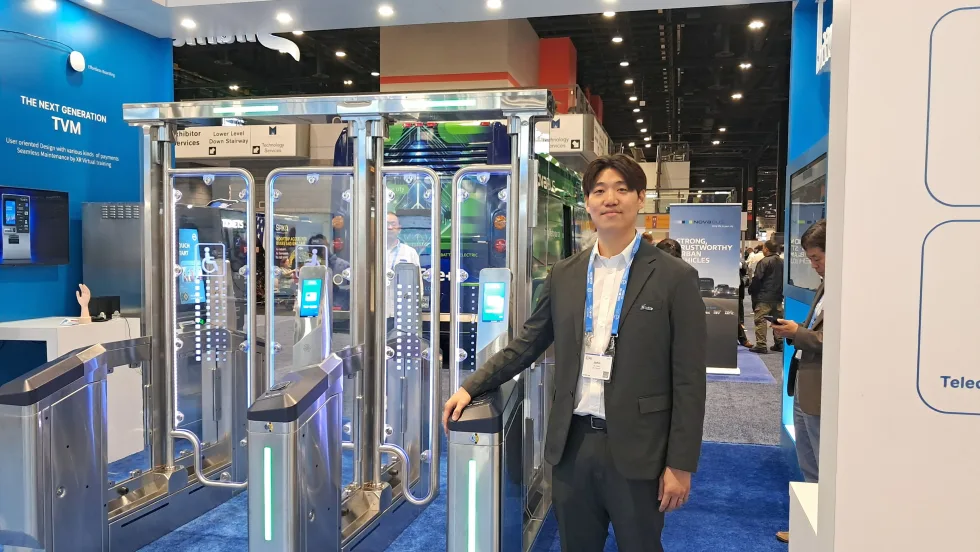
STraffic Expands North American Presence with Fare Collection Technology
John Moon, Associate Director, Product Strategy at STraffic, discusses the company's growth in North America, its efforts to reduce fare evasion, and more.
Read More →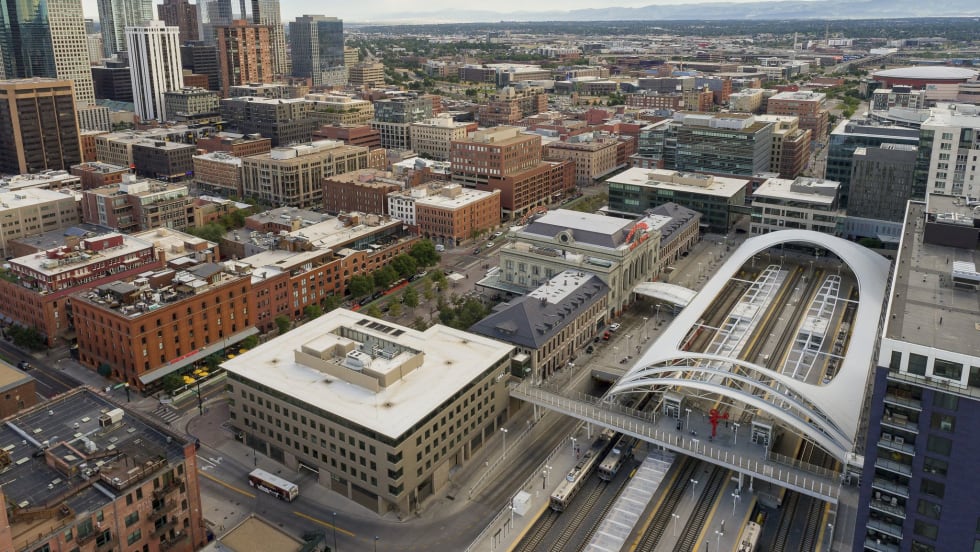
Study: Denver RTD Generates $2.1 Billion in Annual Economic Activity
An economic impact study finds the agency supports approximately 17,500 jobs, delivers $1.6 billion in annual community and mobility benefits, and generates $2.42 in economic value for every dollar invested.
Read More →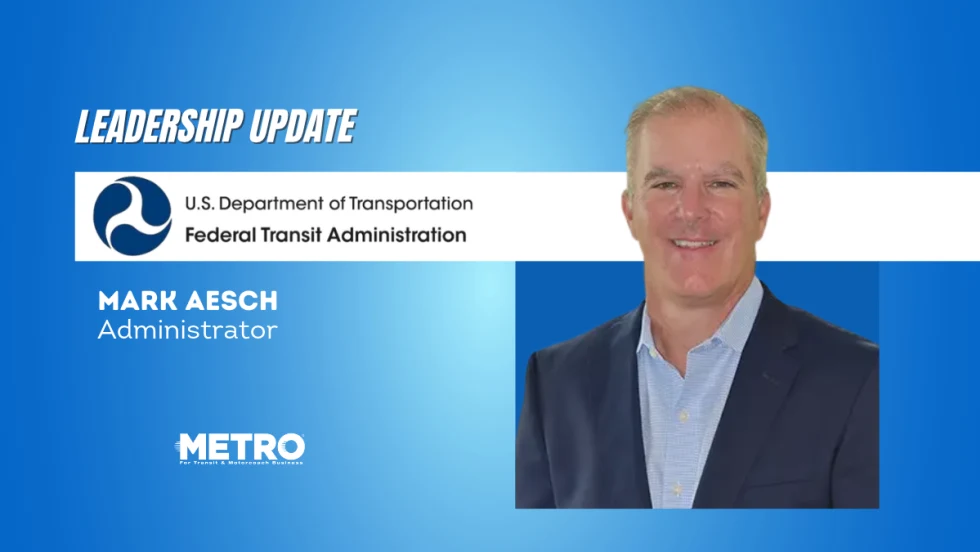
Mark Aesch Nominated to Lead Federal Transit Administration
The former Rochester transit chief and TransPro founder, who has also contributed to METRO Magazine, brings decades of industry experience and a focus on performance, accountability, and financial sustainability to the nomination.
Read More →
Best and Worst U.S. Cities for Public Transportation in 2026
A new analysis of 50 major U.S. urban areas ranks public transit systems based on accessibility, affordability, usefulness, and safety, highlighting where transit performs best and where challenges remain.
Read More →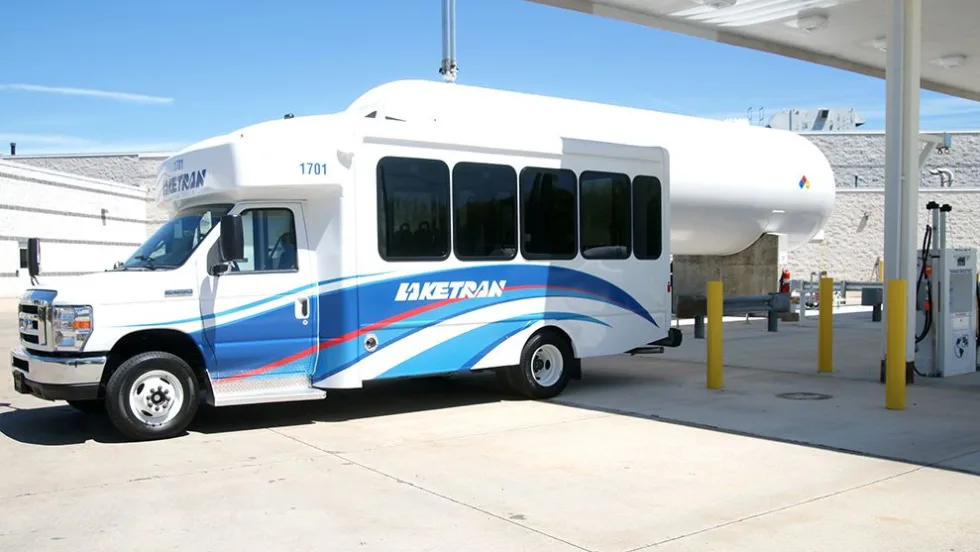
Laketran Cuts Fuel Costs, Boosts Efficiency with Propane-Powered Fleet
The Ohio transit agency is using propane-powered vehicles and on-site fueling infrastructure to cut fuel and maintenance costs while meeting growing demand for paratransit services.
Read More →