
Metro Magazine

 MENU
MENU SEARCHMENUSEARCH
Loading data...

The move would reduce greenhouse gas emissions and improve local air quality and public health — key goals outlined in King County’s strategic plans on climate and social justice.
Read More →




Both the 9-liter L9 and 12-liter ISX12 are 2017 greenhouse gas phase 1-compliant.
Read More →Public transit systems and businesses who voluntarily participate in the APTA Sustainability Commitment program pledge to implement processes and actions that create continuous improvements in environmental, social, and economic sustainability.
Read More →The study concluded that over a 30-year lifetime, a tramway system emits about 50 percent of the CO2 as a BRT system operated with diesel buses, and about 30 percent less CO2 than a BRT system operated with hybrid buses.
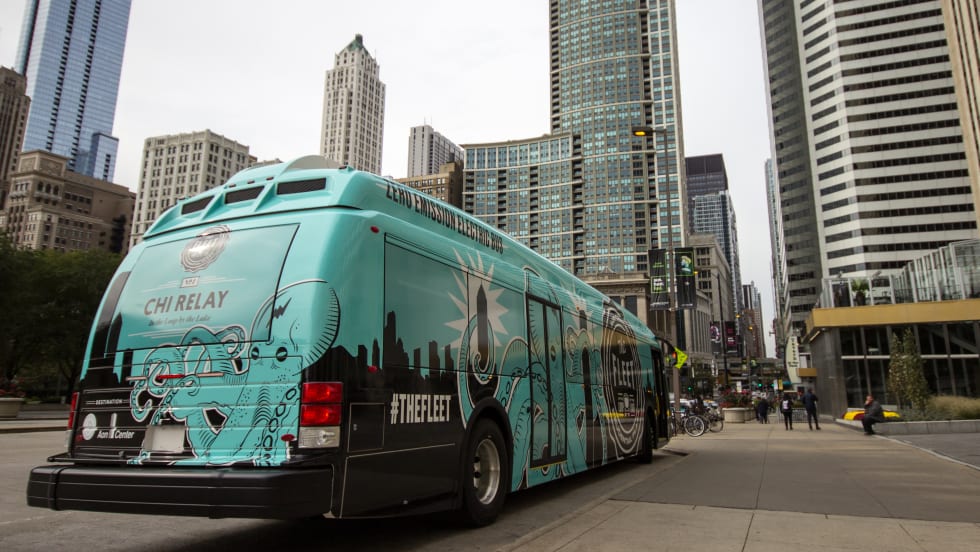
Read More →Innovative program will replace diesel vehicles in commuter program for JLL-managed buildings in downtown Chicago.
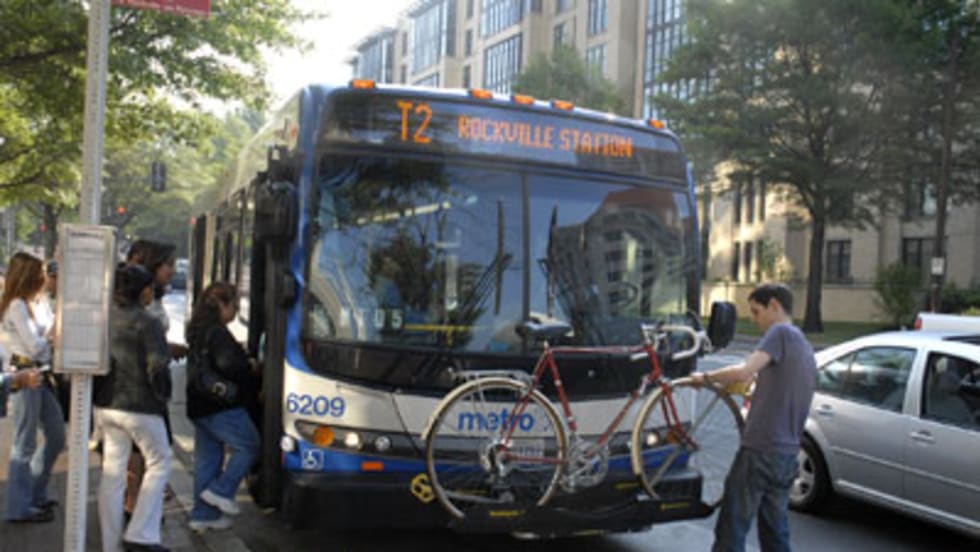
Read More →The new buses, which feature a bike rack for up to three bikes, stop at or near Museum Row downtown, the University of Louisville, Speed Museum, Churchill Downs, the Kentucky Derby Museum, Old Louisville, restaurants, hotels and much more.
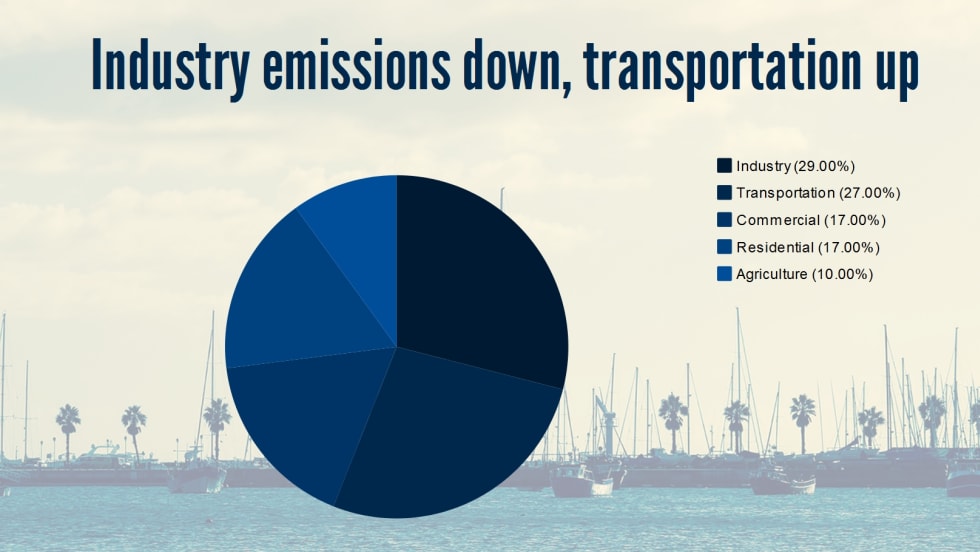
Read More →Industry, still the nation's largest emitter, accounts for about 29% of all emissions — down from nearly 36% in 1990. However, transportation — the country's second-largest contributor to greenhouse emissions — has increased its share from 24% in 1990 to 27% in 2014.
Read More →The report, which is especially relevant for transportation and environmental planners, was developed bythe Mineta Transportation Institute.
Read More →Other targets set by the new initiative include increasing Metro ridership 25% by 2025; increasing greenhouse gas displacement by 10% by 2025; and reducing water use per vehicle mile by 20% by 2025.
Read More →Four years after being unveiled for the Winter Olympics, the 20 buses will be replaced with diesel buses, which will be an estimated $2.5 million cheaper to run over the course of a year.
Read More →