
Metro Magazine

 MENU
MENU SEARCHMENUSEARCH
Loading data...
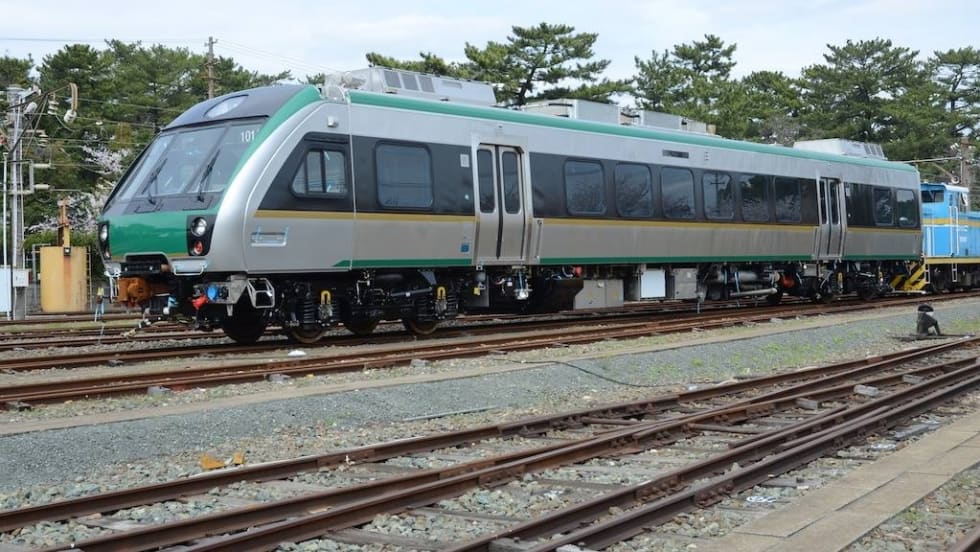
Train service will be free of charge on opening day, with the agency holding a community grant opening event. After opening day, SMART fares for everyone will be 50% off regular price through Labor Day, with regular fares set to be in place Sept. 5.
Read More →


Under the partnership, which will run from Memorial Day weekend through Labor Day, Uber rides to and from 11 selected Regional Rail stations will be discounted by 40%, with a maximum discount of $10 per ride.
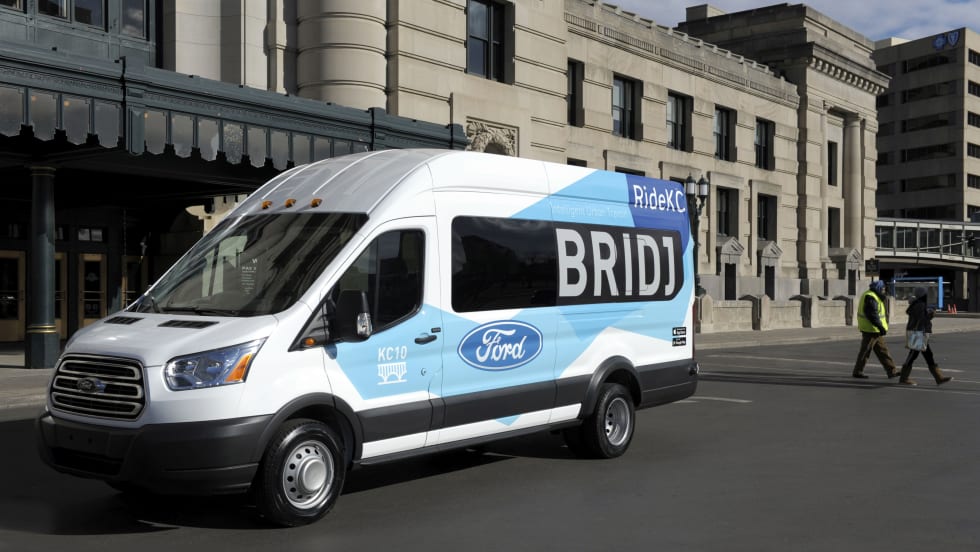
Read More →The additional service coming on line on May 2 was developed in response to more than 100 trip requests for service from downtown to Hospital Hill and University of Kansas Medical Center.
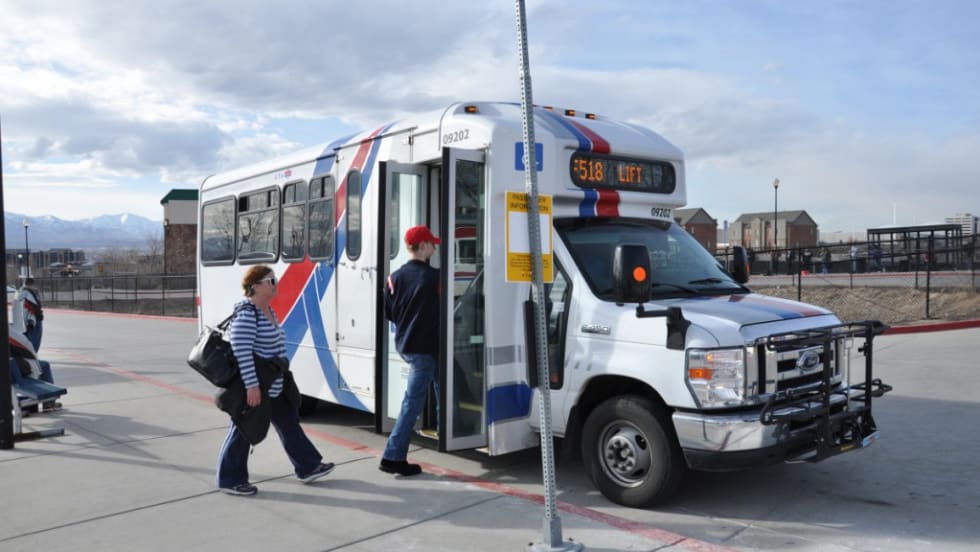
Read More →FLEX follows a fixed route, but will deviate up to three-quarters of a mile to pick up a limited number of riders who phone and make an appointment. The routes serve both the general public and the disabled, but anyone can request a deviation.
Read More →The bill would create a new license for TNCs, including companies like Uber and Lyft, making it mandatory to pay a $5,000 fee, conduct background checks on drivers and maintain at least $1 million in liability insurance in order to operate in Wisconsin.
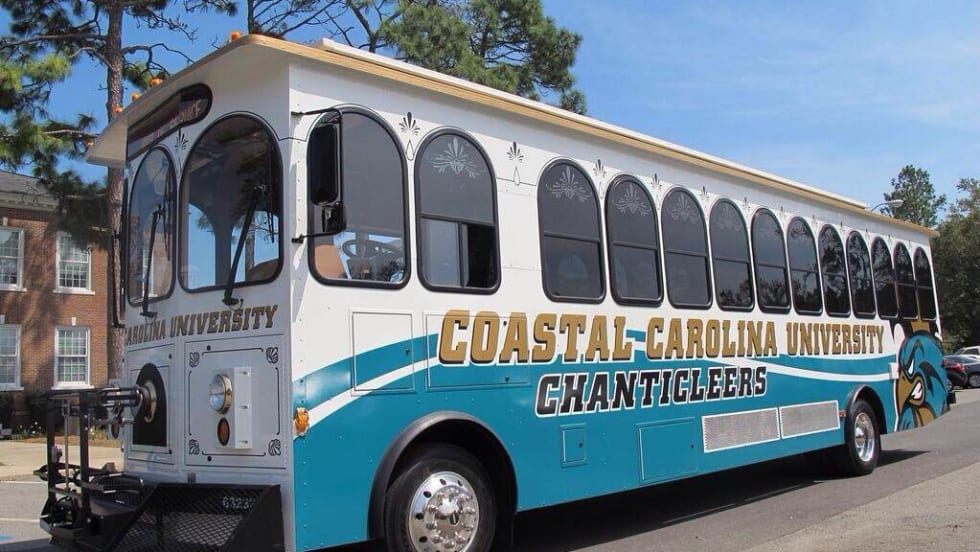
Read More →Teal Transportation brings together several transportation alternatives for students, including the campus shuttle, biking, Zipcar and a password-protected online ride board where students can actively seek rides with other students.
Read More →With no shuttle service set to provide transportation to and from a new complex, dubbed The Hub, students will have to drive, walk, bike or use the city bus to get to school.
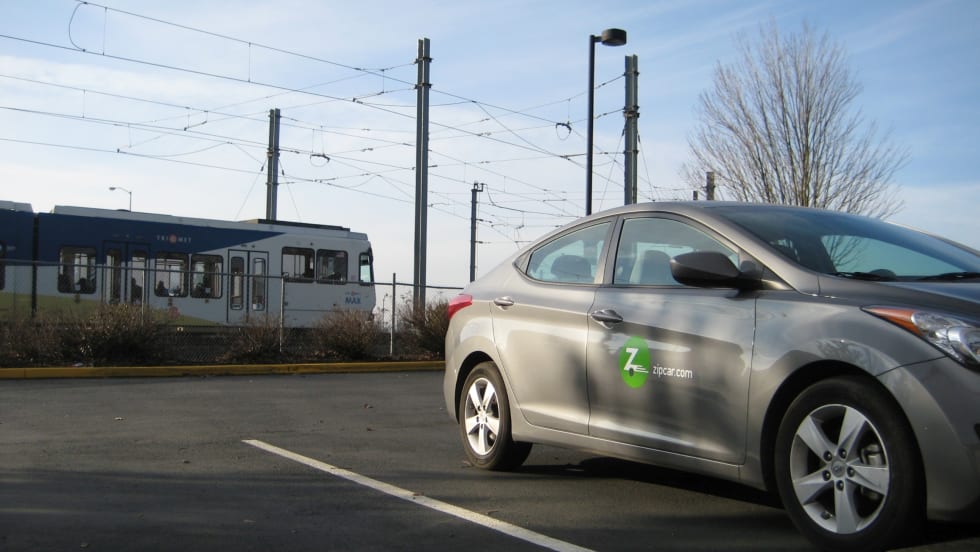
Read More →In January, Portland, Ore.’s TriMet began offering another transportation option after creating a new joint program with car sharing company Zipcar Inc., while the Fort Worth Transportation Authority (The T) started a nonprofit, Fort Worth Bike Sharing, to make cycling an easy way for riders to fill in the gaps of a trip.
Read More →Research projects that 480,000 new jobs representing $32 billion per year in income will be at risk due to congestion by 2040.
Read More →Increasing transit round-trip work commutes by four days (or eight trips) each month can reduce driving costs by 14 to 26%.
Read More →