
Metro Magazine

 MENU
MENU SEARCHMENUSEARCH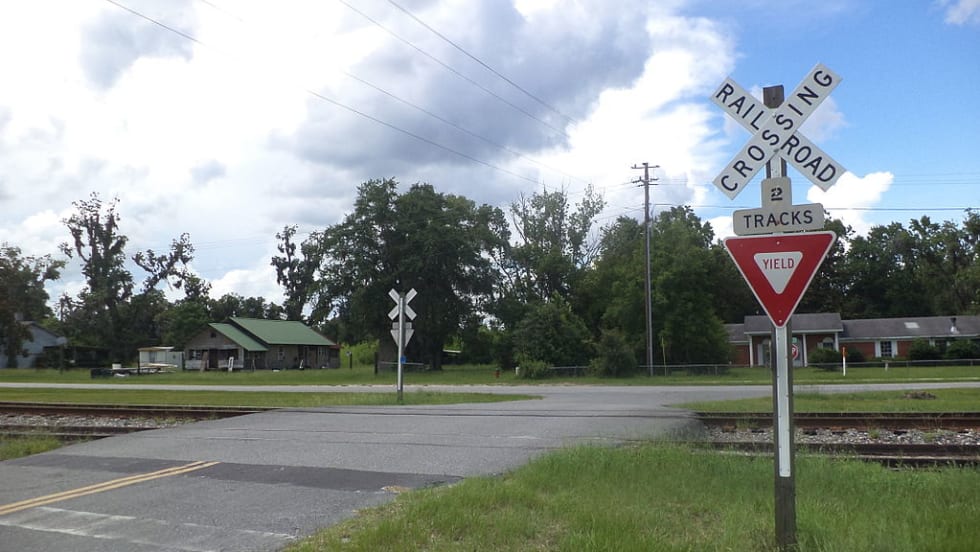
The list includes 15 crossings where 10 or more incidents have occurred during the last decade, with five of the crossings on the list in the state of Arizona, which accounted for a total of 89 incidents and 14 injuries.
Read More →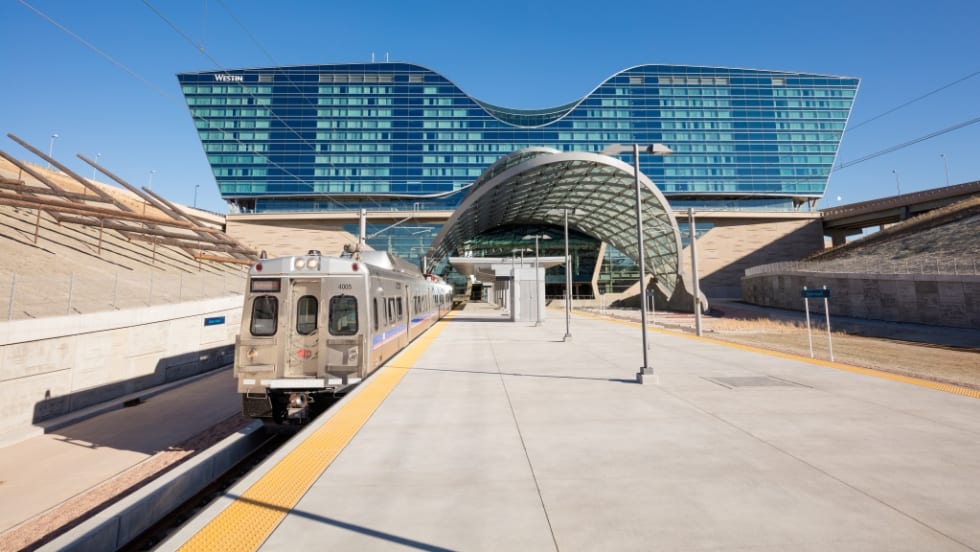
The rail line is among the nation’s first transit projects built by a public-private partnership and represents an important milestone in an ambitious transit expansion plan for the eight-county metropolitan area.
Read More →
The funding is part of the 2016 Consolidated Appropriations Act that funds the U.S. Department of Transportation.
Read More →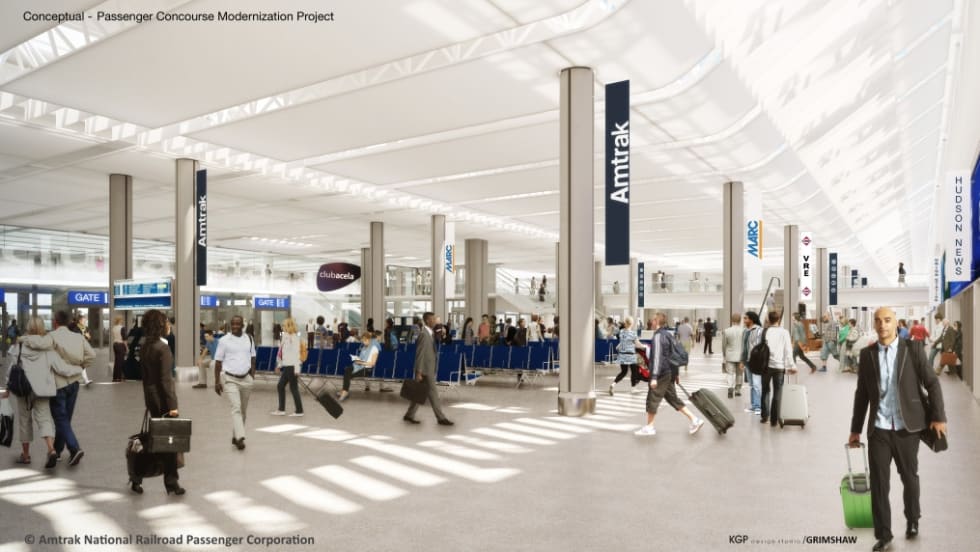
The result will be a vastly reconfigured, modernized and unified concourse that will improve the passenger experience by providing better accessibility, circulation, wayfinding and multimodal connectivity.
Read More →
On Feb. 24, 2015, a Metrolink train derailed when it struck an abandoned truck near the crossing where the bridge will be built, killing the engineer and injuring 33 others.
Read More →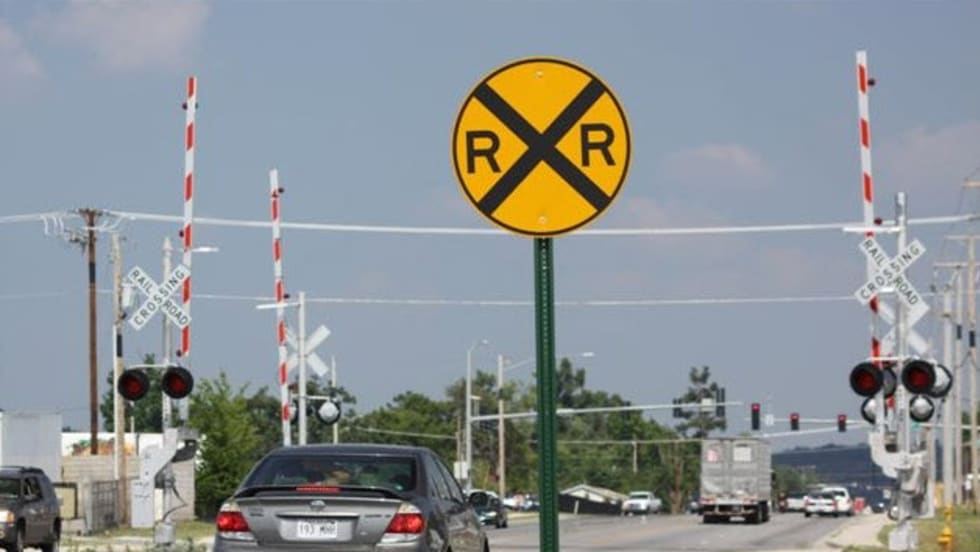
The new portal is part of the agency’s ongoing campaign to reduce fatalities at railroad crossings and tracks to zero by building partnerships that increase education, step up enforcement and leverage engineering.
Read More →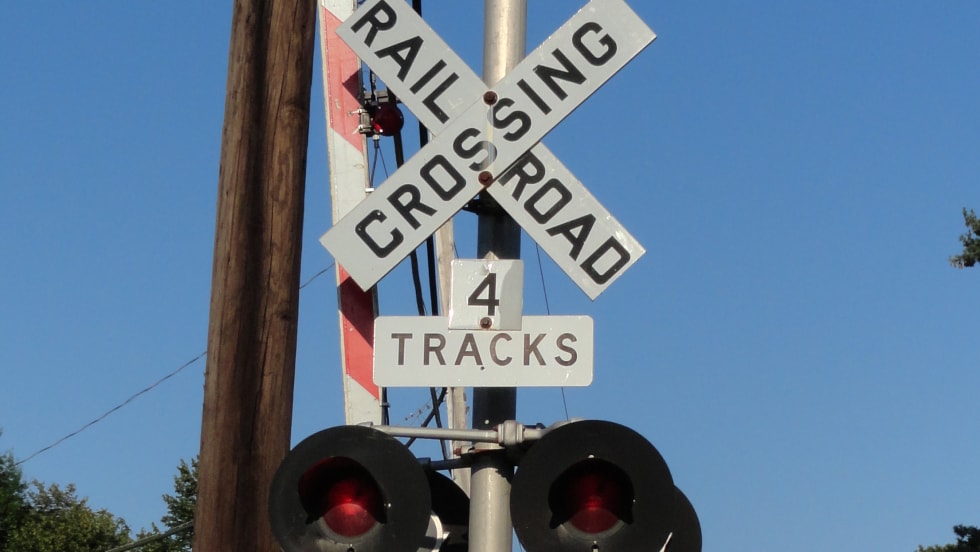
The agency also urged states to add event recorders to traffic lights connected to railroad crossing systems so information obtained during inspections can be used to improve safety.
Read More →
The budget reflects an ambitious 30-year vision for the U.S. DOT to take the U.S. “Beyond Traffic,” toward a transportation network that matches the changing geography of where people live and work and fosters innovation and adapts to evolving technology.
Read More →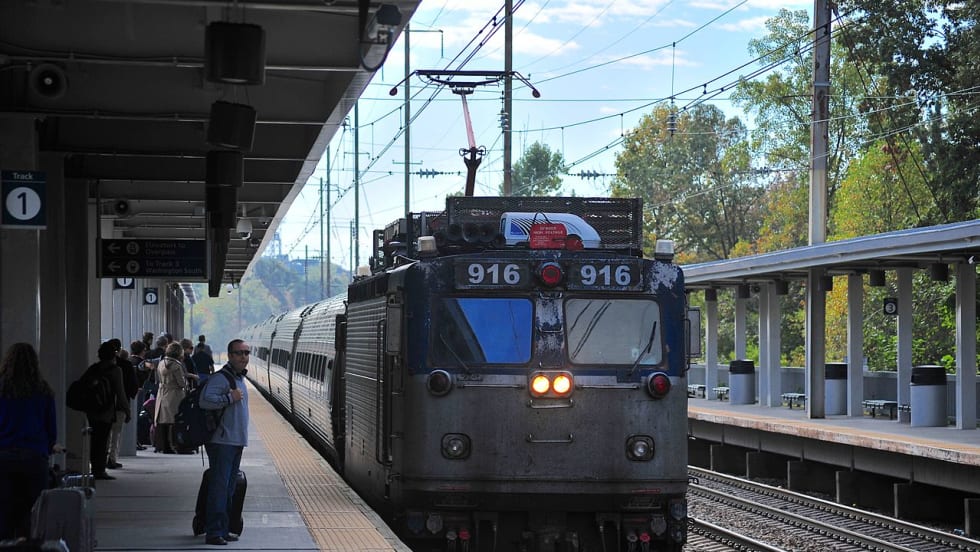
The project includes adding a fourth track to nine miles of the Northeast Corridor surrounding BWI and reconfiguring the platforms to allow boarding from all four tracks.
Read More →
For Fiscal Year 2015, the agency will collect 75% of all civil penalties it issued to railroads for violating federal safety regulations — a 6% increase over FY2014, and the largest percentage rate ever collected by the agency.
Read More →