




Related: FRA urges states to verify lights at crossings functioning
FRA launches new railroad crossing, trespassing site to increase safety
The new portal is part of the agency’s ongoing campaign to reduce fatalities at railroad crossings and tracks to zero by building partnerships that increase education, step up enforcement and leverage engineering.
March 22, 2016
2 min to read
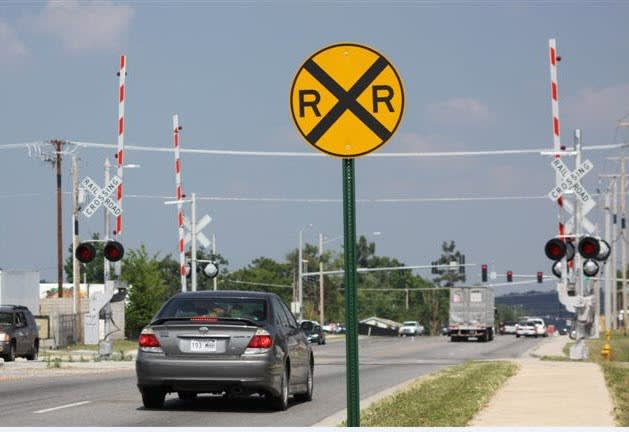
The Federal Railroad Administration (FRA) launched a redesigned website to serve as a one-stop shop to help drivers, pedestrians, and law enforcement stay safe around the nation’s more than 200,000 railroad crossings and 140,000 miles of track.
The new railroad crossing portal is part of the agency’s ongoing campaign to reduce fatalities at railroad crossings and tracks to zero by building partnerships that increase education, step up enforcement and leverage engineering.
“Railroad crossings are in nearly every city and town across America,” said U.S. Transportation Secretary Anthony Foxx. “Preventing fatalities at crossings and on tracks takes innovative solutions, increased enforcement actions and robust safety education efforts. FRA’s new website is an important tool to help us achieve our goal of zero deaths at crossings and along tracks.”
FRA data show that 96% of rail-related fatalities, most of which are preventable, are the result of incidents at railroad crossings and by trespassers. That’s why the new FRA portal has more interactive features with downloadable fact sheets on safety and a resource library that is easy to navigate. The site makes accessing information about railroad crossing safety and trespass prevention more streamlined, with a focus on education.
“Ending fatalities at railroad crossings and by trespassers is not a goal FRA can achieve with just another regulation or rule. It will take a strong commitment from everyone — law enforcement, regulators, railroads and motorists who drive over railroad track every day — and better education,” said FRA Administrator Sarah E. Feinberg. “Providing information on a clean, user-friendly, and interactive website will help people stay safe around railroad crossings and tracks and get us one step closer to stopping these preventable deaths.”
Last year, FRA launched a new, comprehensive campaign to reverse the uptick in fatalities at railroad crossings. The campaign includes partnering with Google and other tech companies to use FRA data that pinpoints the country’s approximately 200,000 railroad crossings to add crossing alerts to map applications. FRA has also worked with local law enforcement to increase enforcement around railroad crossings.
In 2015, 244 individuals died at railroad crossings, down from 264 in 2014.
More Management

Brian Dickson on Building Stronger, More Resilient Transportation Organizations
Bus Business Consultants Founder Brian Dickson discusses the leadership principles, operational discipline, and strategic planning that separate transportation companies positioned for long-term success from those stuck in survival mode.
Read More →
LA Metro Breaks Ground on Vermont BRT Project
The 12.4-mile corridor is projected to serve 66,200 daily riders, reduce travel times by up to 24%, and create the nation's busiest bus rapid transit corridor.
Read More →
Building Stronger Leaders, More Resilient Transit Teams
Dr. Carol Parker Walsh discusses leadership development, employee retention, workplace culture, and preparing transit’s workforce for AI and automation.
Read More →
Roman Cornell on ABC Companies’ Evolution and the Future of Passenger Transportation
The company’s CEO discusses carrying forward a third-generation family legacy, ABC’s continued evolution in passenger transportation, support for increasingly complex fleets, and how technology and continued investment could help operators improve uptime.
Read More →
CATS Launches West Charlotte Microtransit Zone, Expands Transit Services
The new microtransit zone connects residents to key destinations as Charlotte Area Transit System rolls out the first phase of its 2055 Transit System Plan.
Read More →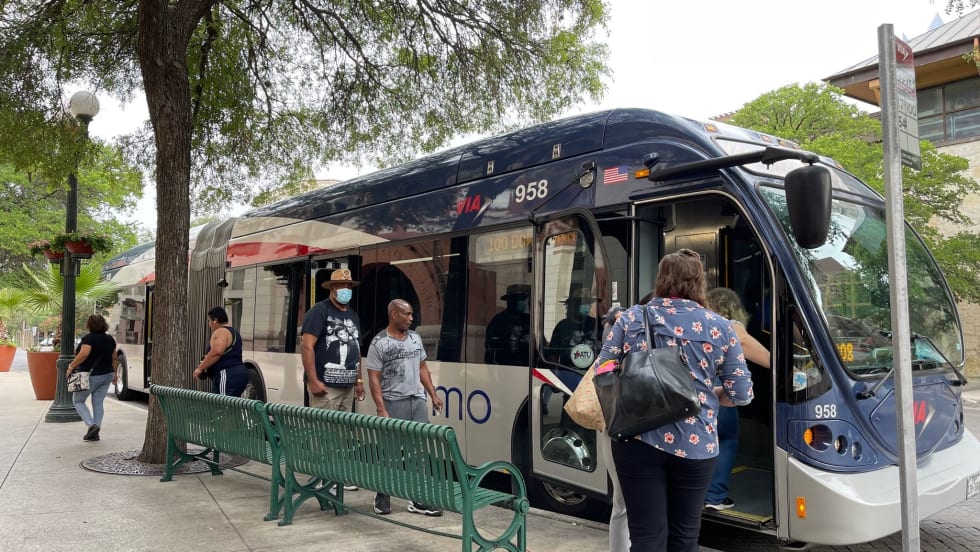
VIA Bus Ridership Grows 10.1% Through August 2026
San Antonio's VIA Metropolitan Transit reported the highest bus ridership growth among major Texas transit systems. Federal Transit Administration data ranked it second among the nation's 50 largest transit systems.
Read More →
CSA Group Releases Climate Resilience Standard for Transit, Passenger Rail
Developed with support from the Standards Council of Canada, CSA D700 guides assessing climate-related risks and planning adaptation measures for transit and passenger rail systems.
Read More →
ETA CEO John Maglio on Transit Technology, Innovation, and Building Agency Trust
ETA founder and CEO John Maglio explores the evolution of transit technology, the importance of reliable systems, and how stronger partnerships can help agencies improve operations and the passenger experience.
Read More →
COTA Launches First Customer Experience Action Plan to Improve Transit Service
The new plan outlines improvements to service reliability, accessibility, communication, and the overall rider experience across Central Ohio's transit system.
Read More →
LA Metro September Ridership Climbs 3.9%, Led by Rail Growth
The agency recorded more than 27.2 million boardings, with rail ridership increasing 12.4% year over year and the D Line posting the largest gains.
Read More →