



Calif. DOT receives FRA grant to separate railroad tracks, road
On Feb. 24, 2015, a Metrolink train derailed when it struck an abandoned truck near the crossing where the bridge will be built, killing the engineer and injuring 33 others.

The Federal Railroad Administration (FRA) announced a $1.5 million grant to the State of California to fund the design of a bridge that will carry vehicular traffic on Rice Avenue over railroad tracks in Oxnard.
Currently, the Union Pacific tracks, which Metrolink, Amtrak and freight trains utilize, intersect with Rice Avenue. On Feb. 24, 2015, a Metrolink train derailed when it struck an abandoned truck near the crossing, killing the engineer and injuring 33 others. NTSB is currently investigating the derailment.
“This grant will be instrumental in helping to reduce accidents and fatalities at our nation’s railroad crossings and ensuring that the rail system is modernized to meet future needs,” said U.S. Transportation Secretary Anthony Foxx. “Through a combination of grants, education, and enforcement, we can — and will — achieve our goal of preventing accidents and deaths at railroad crossings.”
The project is one of nine rail projects in eight states selected to receive nearly $10 million to upgrade and increase the safety of railroad crossings along energy routes under the Railroad Safety Grants for the Safe Transportation of Energy Products (STEP) by Rail Program. FRA received 34 eligible applications requesting five times the $10 million available for the program, or $50.8 million.
The California Department of Transportation will design a six-lane bridge, including sidewalks and bike lanes, on Rice Avenue over Union Pacific tracks and State Route 34 and close the existing rail crossing. The bridge will stretch approximately 800 feet north and south of the existing crossing, which will be closed.
Each year, train traffic through this area includes 1,820 Metrolink commuter trains, 3,120 Amtrak intercity trains and 4,368 Union Pacific trains. Rice Avenue is also a primary truck route to the Port of Hueneme with an average of 35,000 vehicles daily. Since 1976, there have been 13 accidents that have resulted in one injury and two fatalities, in addition to the February 2015 derailment.
“The safest crossing is one that doesn’t exist, and this grant gets us closer to closing a crossing where thousands of trains and cars pass each other every day,” said FRA Administrator Sarah E. Feinberg. “By separating Rice Avenue from the tracks below, we will increase safety for both rail passengers and drivers and increase Los Angeles’ transportation system reliability.”
More Security and Safety

Transit Agencies Highlight Safety Gains at National Summit
Leaders from 15 major transit systems shared crime-reduction results and safety initiatives while discussing the role of continued federal support.
Read More →
DART Launches Major Security, Fare Enforcement Initiative
The 90-day demonstration will deploy coordinated security teams at five light rail stations while testing controlled access and gathering data to guide future investments.
Read More →
RTD Launches NextRide App to Consolidate Trip Planning, Fares, Security Reporting
The app expands on RTD’s existing NextRide web application and allows customers to view real-time vehicle locations and service alerts, purchase and store digital fares, and access customer support.
Read More →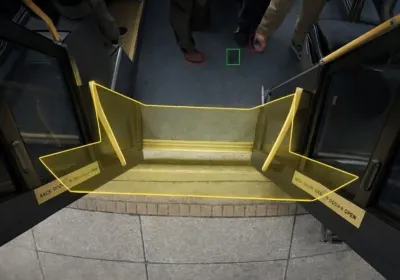
TAPTCO Updates OSHA Compliance Training for Transit Maintenance Operations
The revamped program addresses 26 OSHA standards for maintenance facilities, with TAPTCO pointing to training, documentation, and everyday shop hazards as continuing challenges for transit operations.
Read More →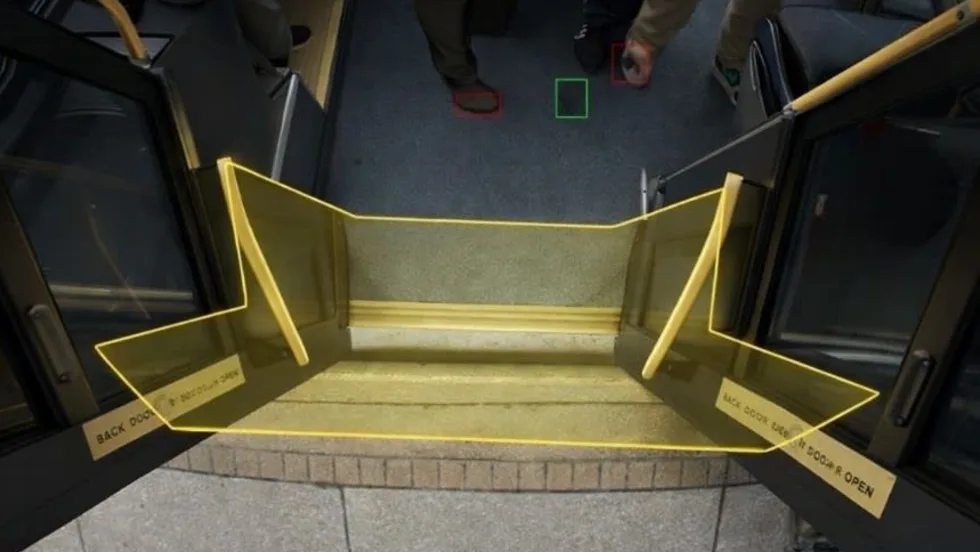
How VaporVision Adds Value to Transit Door Systems
Wabtec engineers explain how the system improves doorway detection, strengthens diagnostics and gives transit agencies and OEMs greater operating flexibility.
Read More →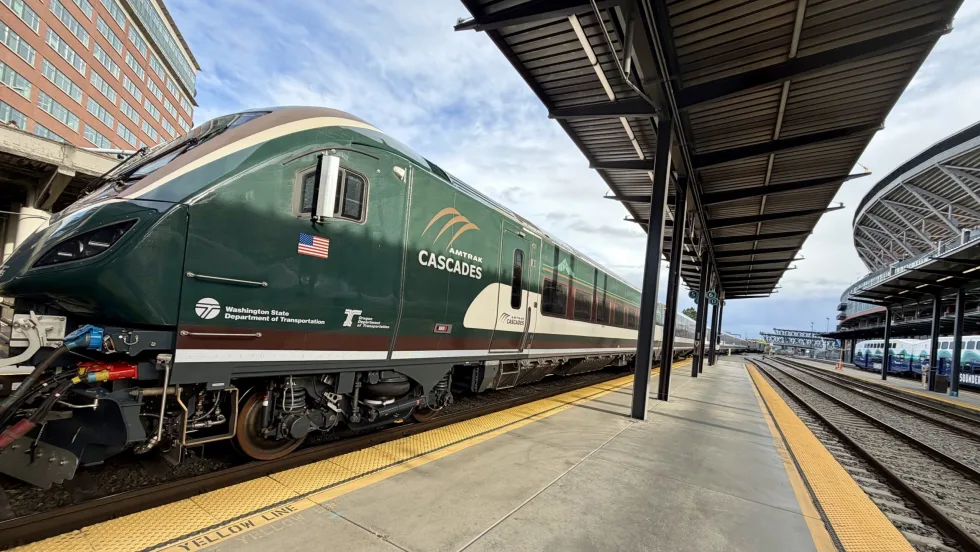
FRA Announces $5.3B in Rail Investments, Including $2B for Amtrak
Funding will support grade-crossing improvements, infrastructure upgrades, and new Amtrak equipment in 23 states.
Read More →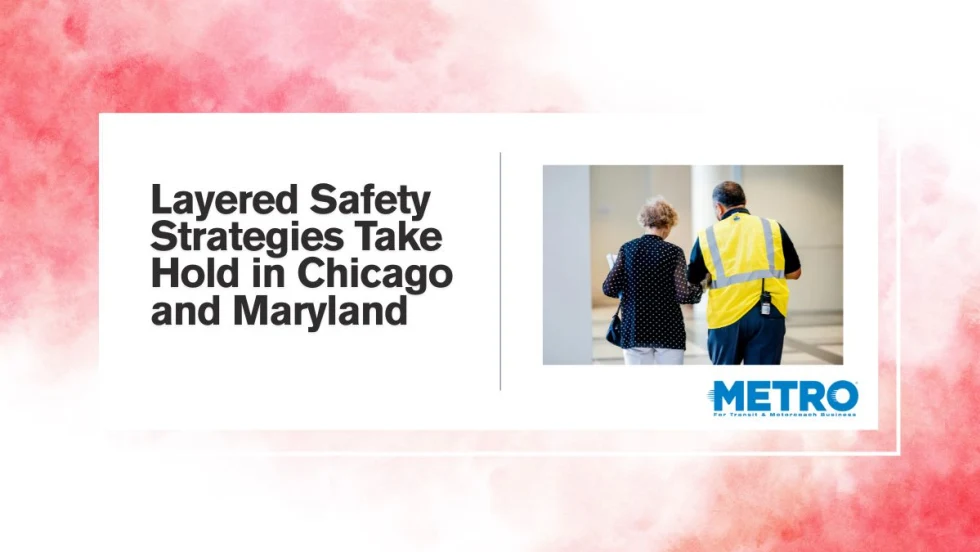
Chicago, Maryland Expand Non-Law-Enforcement Safety, Rider Support
The CTA and MTA are launching new programs aimed at de-escalation, crisis response, rider assistance, and greater transparency.
Read More →
LA Metro, City of West Hollywood, and Partners Advance Smarter Bus Lane Enforcement
The award-winning partnership combines AI-powered detection with human oversight to improve bus reliability, accessibility, and enforcement efficiency.
Read More →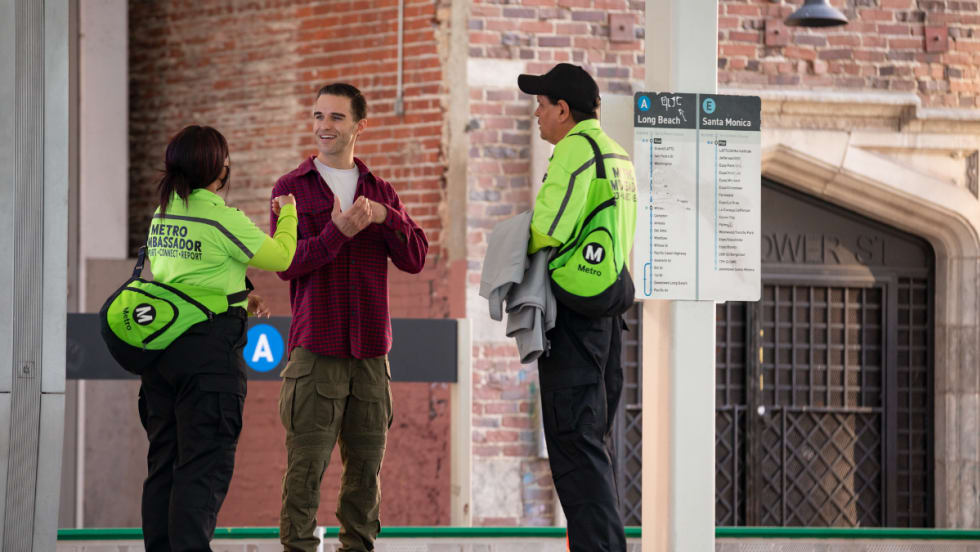
LA Metro Reports 57% Decline in Homelessness on Transit System Since 2024
The agency's latest homelessness count offers new data on how care-based services and cross-sector partnerships can complement traditional transit security strategies.
Read More →
FTA Launches 'Transit Moves America' Dashboard to Highlight Agency Safety and Performance
The online dashboard transforms National Transit Database information into a public-facing resource that allows users to compare transit agencies on key operational and safety metrics.
Read More →