
Metro Magazine

 MENU
MENU SEARCHMENUSEARCH
Loading data...
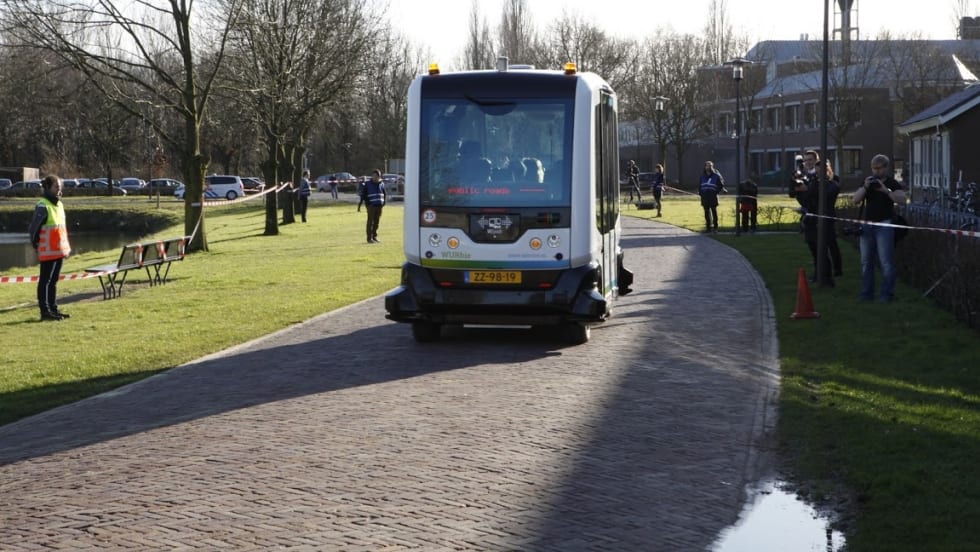
Cameras, radar sensors and laser sensors provide the WEpod with correct information on its surroundings so that it can anticipate necessary actions.
Read More →




The Go LA app, powered by Xerox, captures the universe of transportation options and computes the shortest, cheapest, and most sustainable way to get to your destination.
Read More →The order, worth over $21 million, represents the exercise of an option on a contract signed in 2011.
Read More →The new regulations create an ongoing program that builds off an 18-month pilot set to expire at the end of January 2016. The fee charged to shuttle operators will increase to pay for stepped-up enforcement.
Read More →The $1.01 billion dollar deal has the potential to triple in the next ten years if they extend their alliance to build double-deck buses.
Read More →This is the first-of-its-kind electric car sharing service in the U.S. by the Bolloré Group of France, which already operates car sharing services in several other cities, including the world’s largest EV sharing service: Autolib', in Paris.
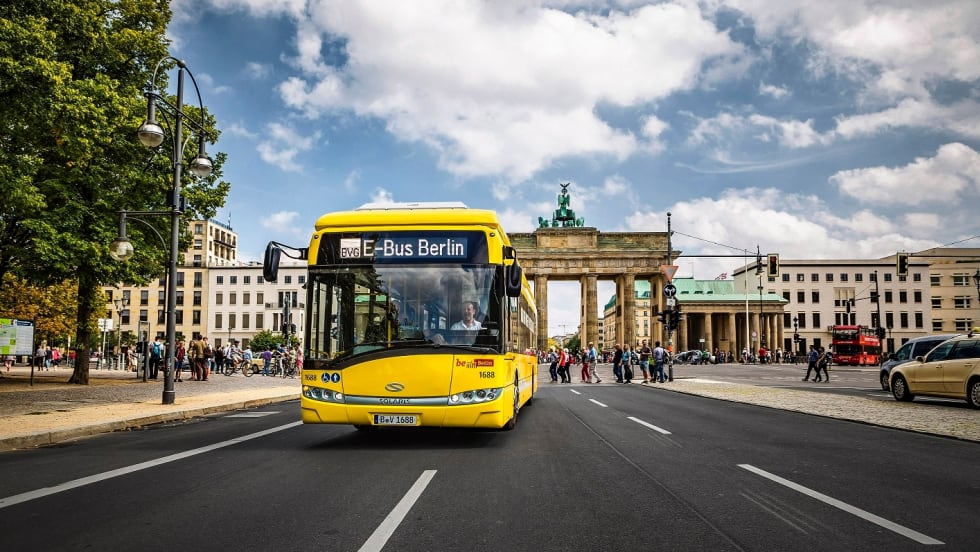
Read More →The four Solaris Urbino 12 buses charge wirelessly and contactless. At the end stops, Bombardier's inductive Primove technology enables the buses to recharge in just a few minutes.
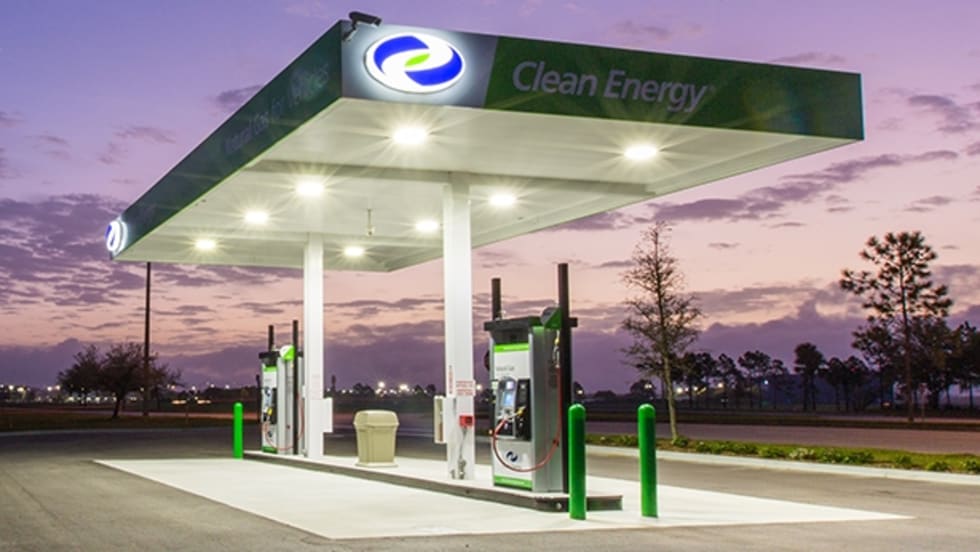
Read More →Will construct new CNG stations for Arlington Transit (ART) in Arlington County, Va.; Nassau Inter-County Express (NICE) in Long Island, N.Y.; and North Kansas City (Mo.) School District, which is set to become the largest school district in the U.S. to transition its school bus fleet to CNG.
Read More →Joseph M. Casey, who has led the Authority since 2008, has been with SEPTA for a total of 34 years of distinguished service in a number of roles, including serving as the CFO and Treasurer.
Read More →Public transit agencies and businesses that voluntarily participate in the APTA Sustainability Commitment program commit to implementing processes and actions that create continuous improvements in environmental, social and economic sustainability.
Read More →