
Metro Magazine

 MENU
 SEARCHMENUSEARCH
Loading data...
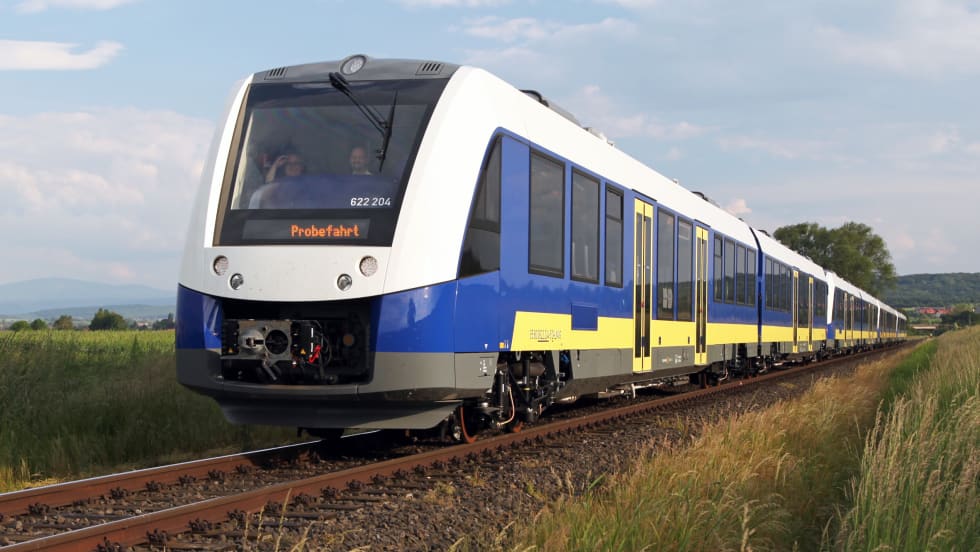
In all, 63 trains will be operated by vlexx GmbH and the other 28 trains, which are owned by Landesnahverkehrsgesellschaft Niedersachsen will be operated by erixx GmbH.
Read More →

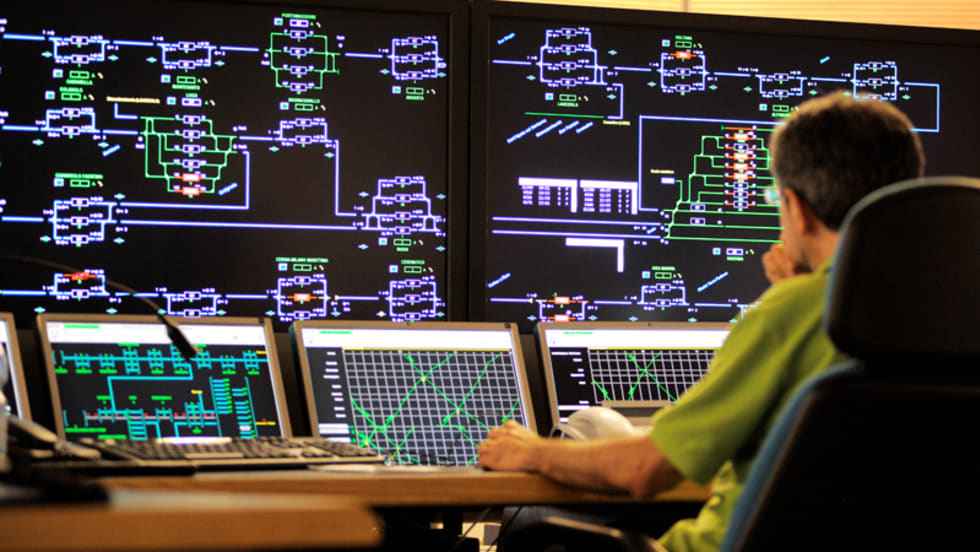
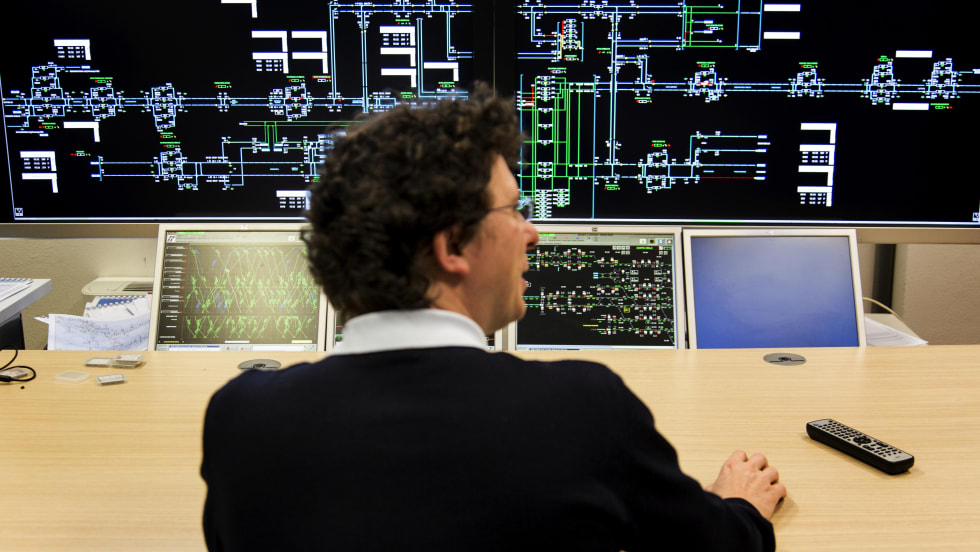
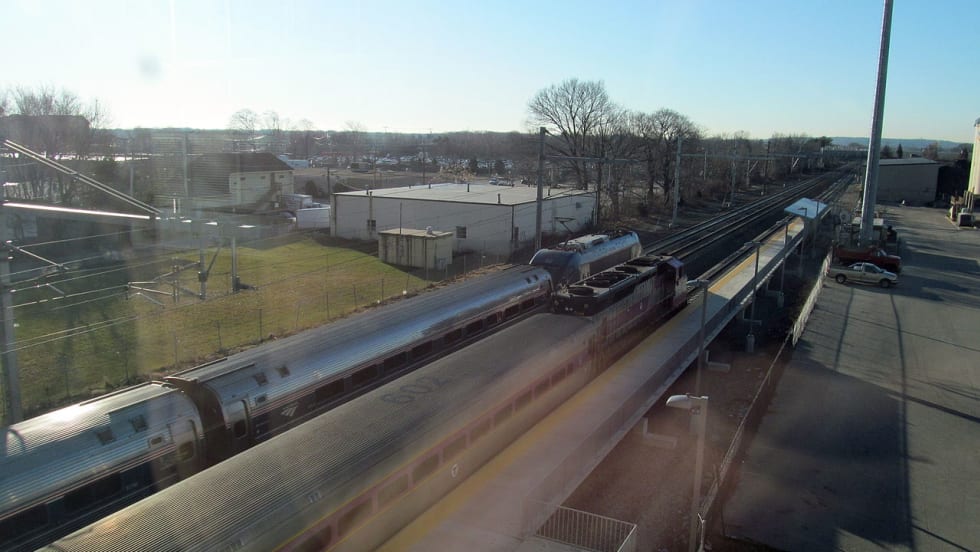
The contract, worth approximately $120 million, involves the maintenance of rolling stock and fixed installations and includes routine, preventive and corrective maintenance; technical support; management of spare-parts stocks for the Citadis tramsets and the implementation of a major maintenance program.
Read More →Bordeaux has ordered 115 Citadis since the year 2000 and owns one of the largest tram fleets in France.
Read More →Contract worth approximately $165M for the consortium, with Alstom’s share worth approximately $110M. The project is scheduled to be completed in the spring of 2017.
Read More →Initially, the tool will be deployed on the railway lines connecting Paris, Lyon, and Marseille, with commissioning planned for 2019.
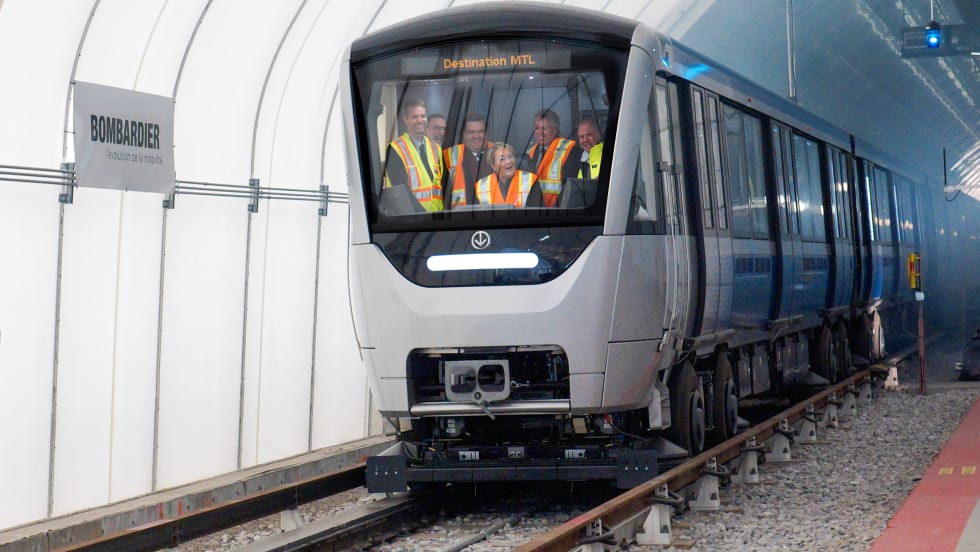
Read More →The Société de transport de Montréal has ordered 468 of the new-generation cars, with deliveries expected to continue until 2018.
Read More →The long-term agreement marks a significant step in the two companies' strategic partnership and follows a string of successful projects, including the delivery of electronic systems and integration for various North American fleet operators.
Read More →The transaction reinforces Alstom’s position in the North American signaling market by combining the companies’ advanced technology products and engineering capabilities to the benefit of transit agencies and operators across the U.S. and Canada.
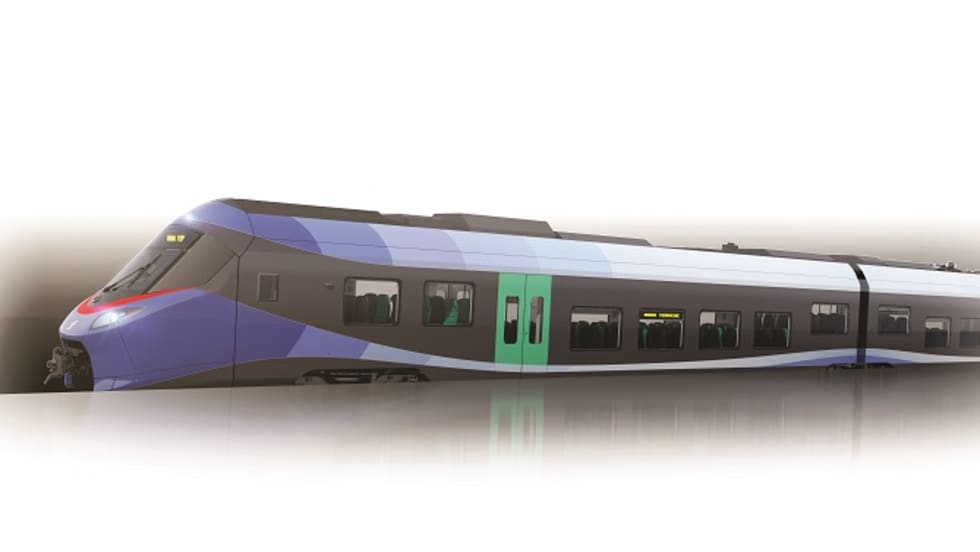
Read More →The new medium capacity regional trains for Trenitalia are single-deckers featuring two train lengths and up to 321 seats. This solution is adapted to different configurations and capacity needs for regional and suburban transport.
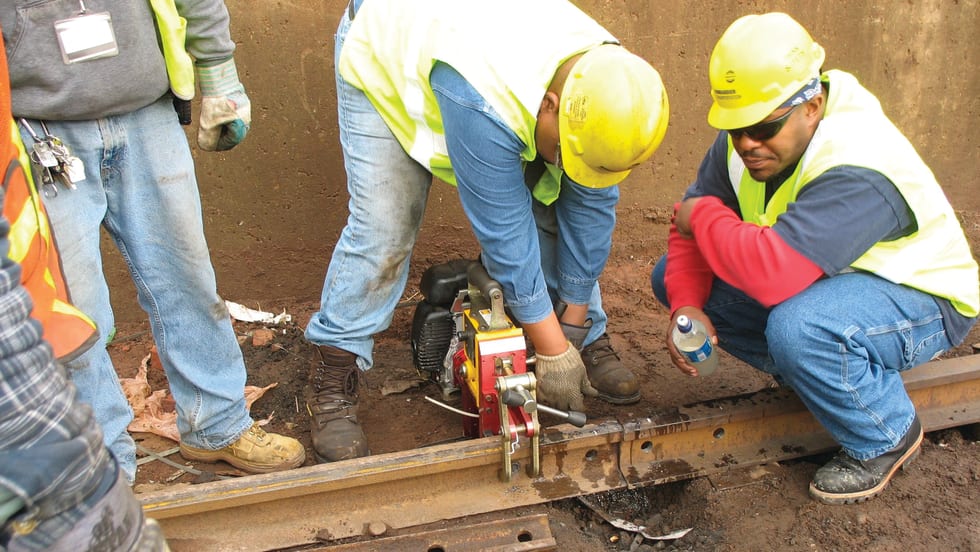
Read More →Vehicle suppliers are stepping up to offer services for every facet of ownership, from installation of rail to refurbishment and modernization. Also, many are focusing on practices already in place throughout the world, where risk of ownership is actually transferred back to the company, enabling the rail operator to operate the system on an established fixed cost.
Read More →