
Metro Magazine

 MENU
MENU SEARCHMENUSEARCH
Loading data...
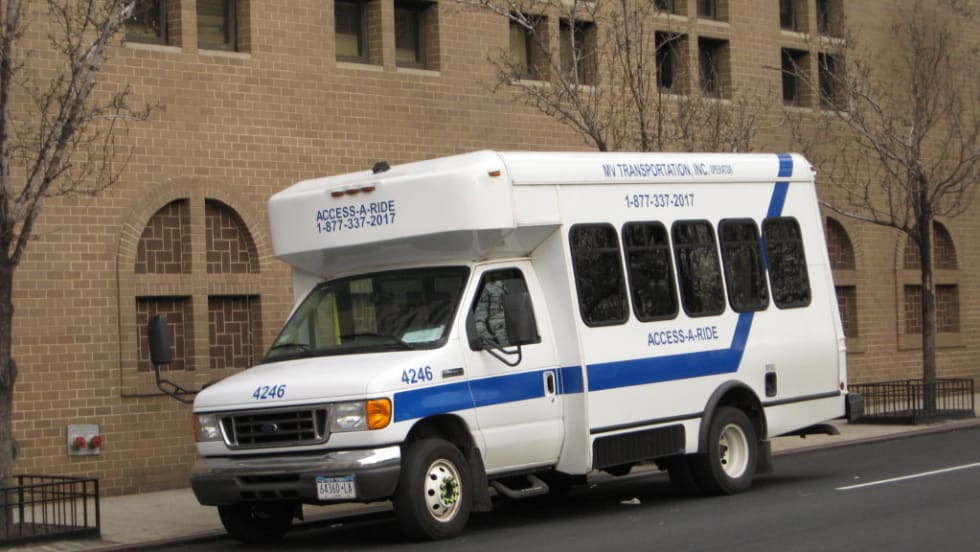
Under current law, the MTA requires a recertification every five years that entails paperwork, doctor visits and physical evaluations at Access-A-Ride offices, which keeps users from abusing the program according to the MTA.
Read More →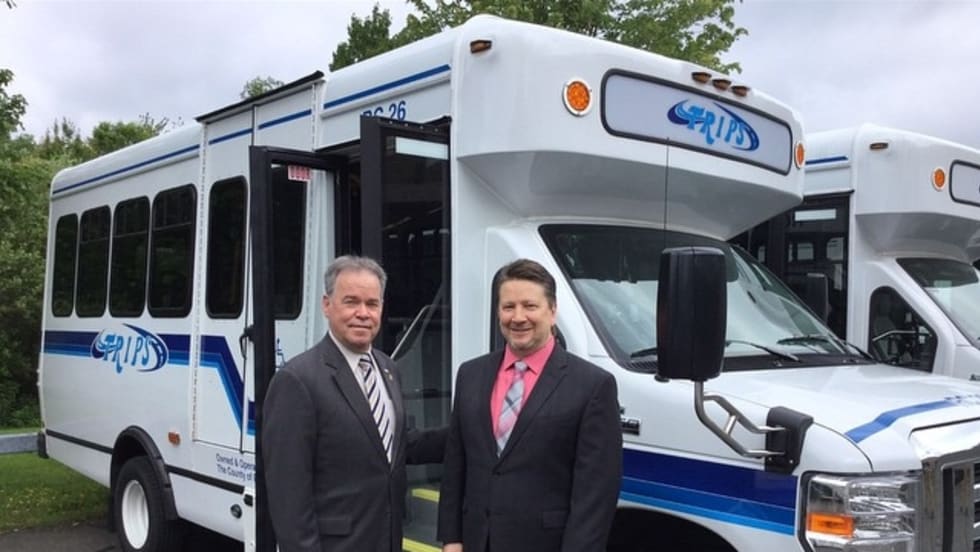
Each Phoenix vehicle, manufactured by Coach & Equipment Mfg. Corp., is wheelchair accessible, featuring a side-entry lift near the front of the bus with double leaf lift doors.
Read More →
Ron Campbell will lead international sales in Canada for ASV’s commercial, transit and school bus brands and report directly to John Walsh, VP, sales, for ASV Bus.
Read More →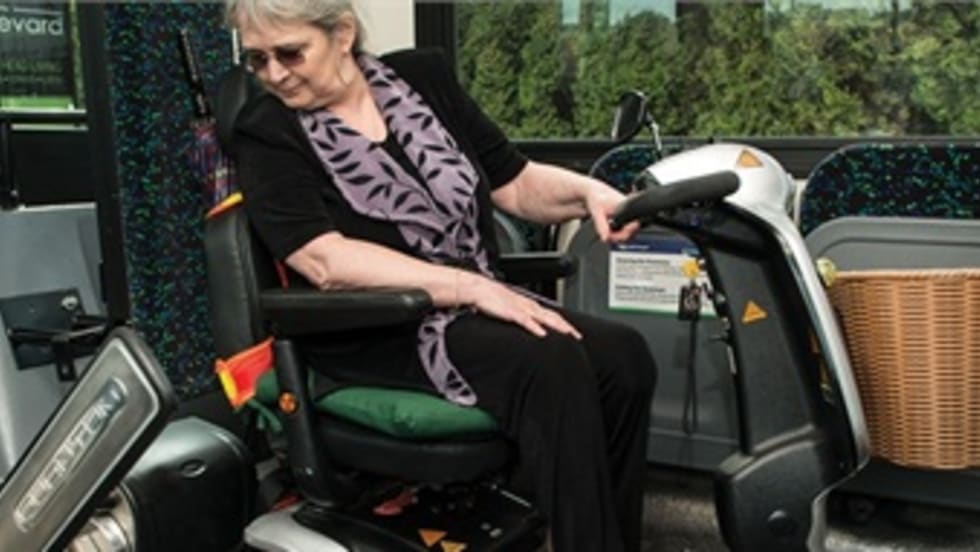
Q'Straint’s Quantum automatic rear-facing wheelchair securement station is designed to international standards, built with transportation industry-standard technologies and is ideal for both new fleet or retrofit applications, according to the company. Beyond safety and durability, the Quantum was also designed with aesthetics in mind: the Quantum's appearance is unimposing and approachable, making it a thoughtful addition to any modern bus.
Read More →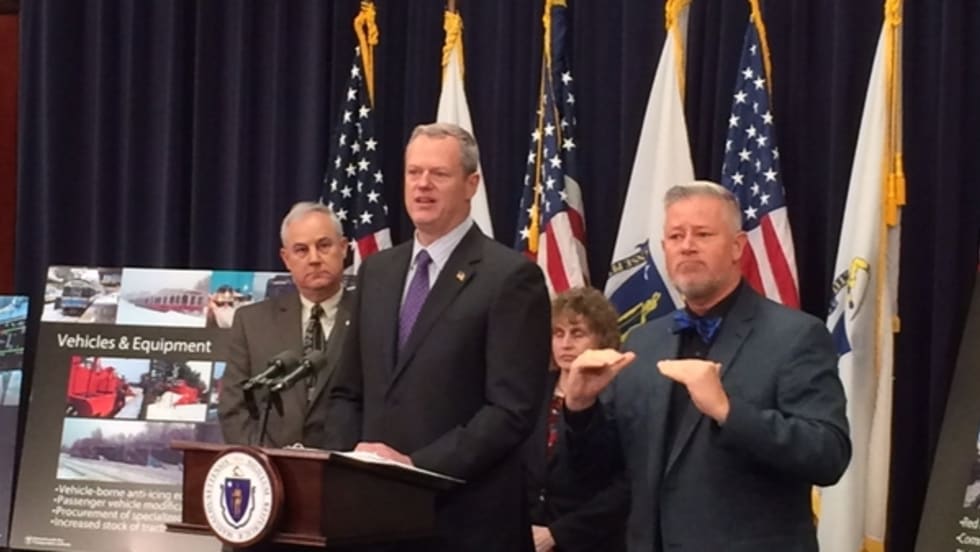
Calls for investments this summer and over the next five years in snow removal equipment, infrastructure upgrades and operations during harsh weather to improve service reliability.
Read More →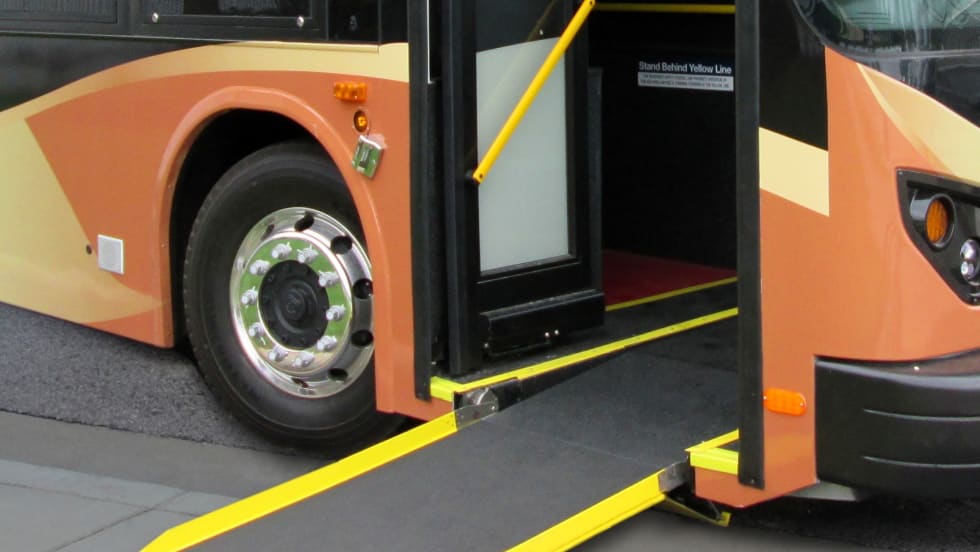
Ricon's unique, passenger-access ramp for transit buses, the Ricon FoldOver Ramp, features an nnovative design, which automatically levels the ramp platform regardless of bus stop conditions.
Read More →
New additions include SYNC 3, rearview camera technology and new customization options.
Read More →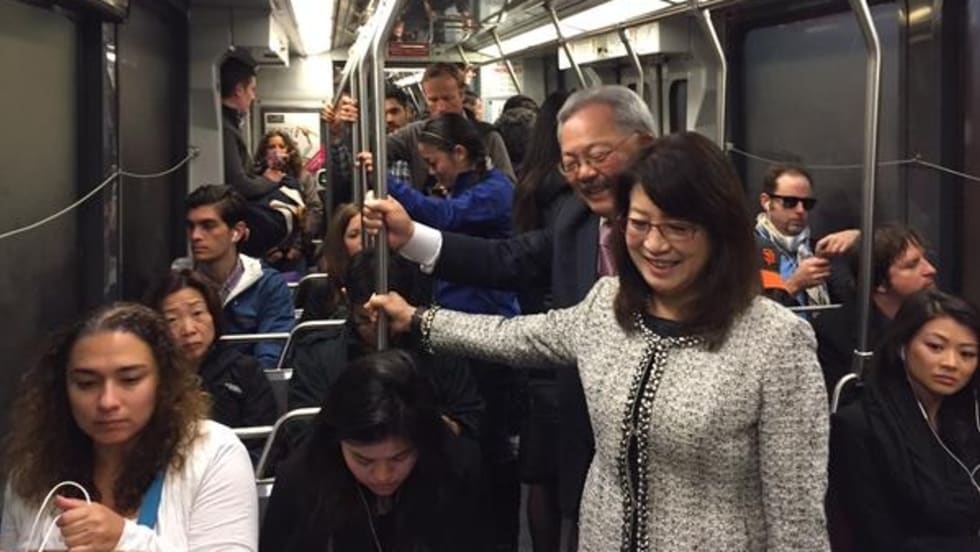
The challenge, spearheaded by the advocacy group San Francisco Transit Riders, will continue until June 22 and aims to help city officials gain familiarity with public transit and inspire them to improve the experience.
Read More →
In his new role, he will lead all sales for ASV commercial, transit and school bus companies and report directly to Kent Tyler, president of ASV Bus & Mobility Group.
Read More →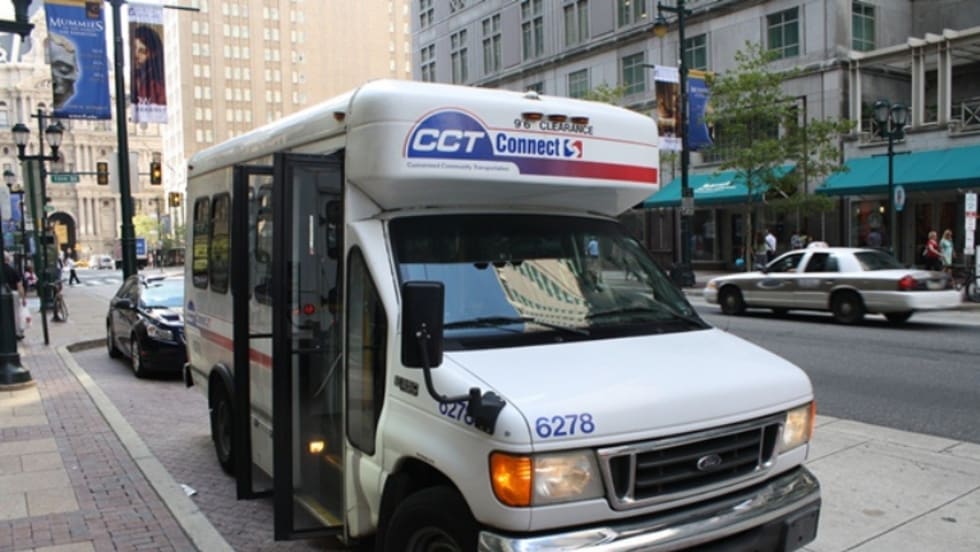
The board also approved a new advertising policy, following a March 11 ruling that SEPTA had to accept a controversial bus ad featuring Hitler because the agency had previously accepted other political and controversial ads on public issues.
Read More →