
Metro Magazine

 MENU
MENU SEARCHMENUSEARCH
Loading data...
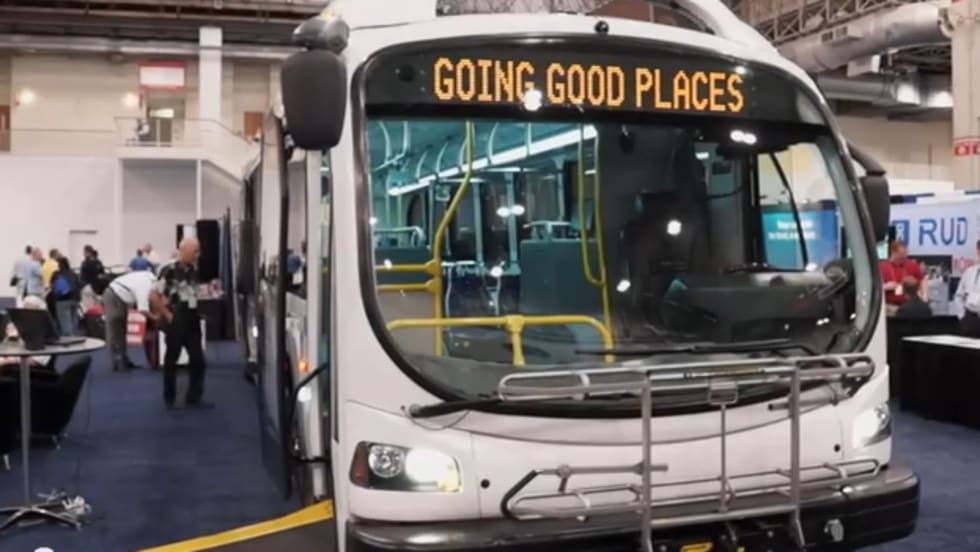
BusCon 2013 featured more than 65 vehicles on the show floor, including four electric vehicles.
Read More →
During the next contract term Veolia will introduce the TransLoc GPS system for the buses, which includes next bus software at each stop and cell phone applications that will provide the public access to next bus arrival times.
Read More →Q’POD, the first fully integrated wheelchair securement station specifically designed and tested for transit wheelchair passenger transportation, will be installed in the 550 new Xcelsior 40-foot heavy-duty CNG buses recently ordered.
Read More →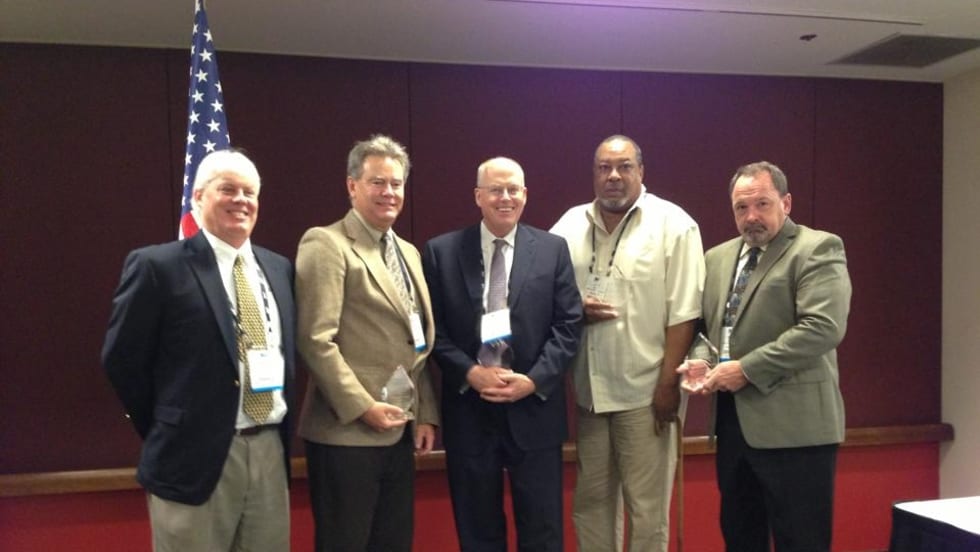
Chicago area-based Pace Suburban Bus was the top agency, with more than 1,400 vehicles. TJ Ross, executive director at Pace was on hand to accept the award.
Read More →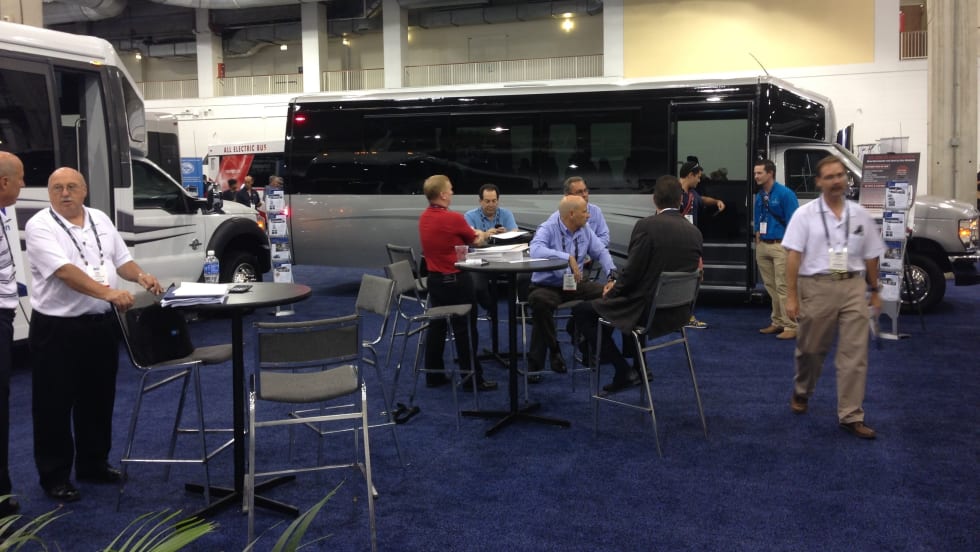
The morning was packed with educational sessions covering topics such as Alternative Fuels, Electric Buses, Updates on ADA and DOT regulations, and safety. More buses than ever in all shapes and types are on display including several electric bus models.
Read More →Last spring, residents demanded access to the shuttles. In return, they agreed to support Harvard’s plan to relocate campus service facilities in Allston.
Read More →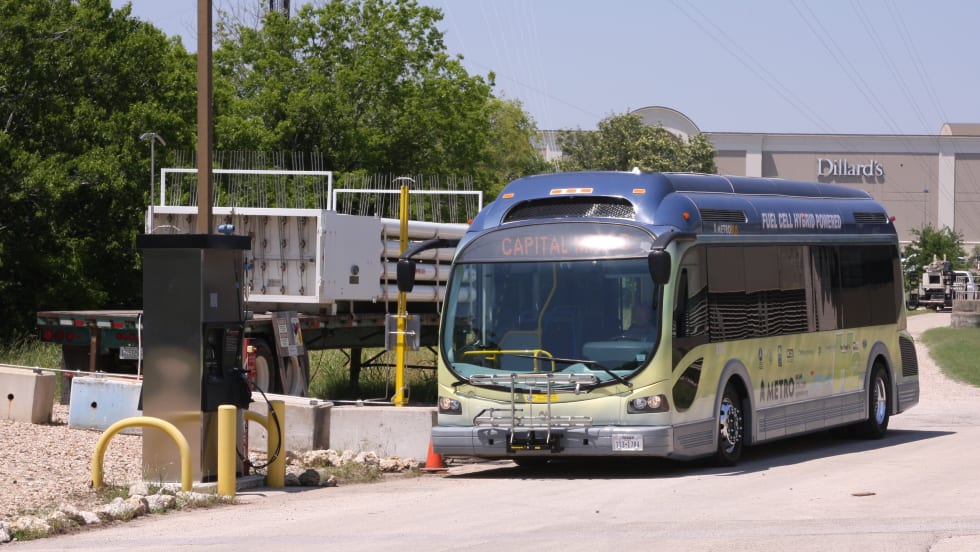
Eight projects were selected to receive a share of FY2012 funds through the National Fuel Cell Bus Program, which has provided nearly $90 million since 2006 to speed the development of fuel-cell technology
Read More →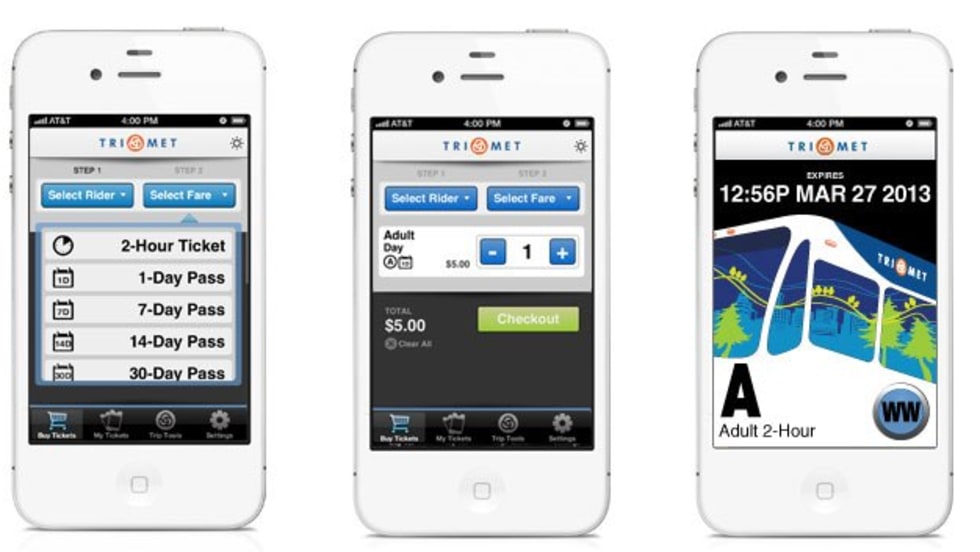
Will be available on iPhone and Android starting Sept. 4. Riders will be the first in the nation to use a mobile ticketing app to ride both buses and trains, according to the transit system.
Read More →The agency is replacing all of its bus fleet — 152 buses — from diesel to natural gas, and 78 paratransit vehicles from gasoline to natural gas as vehicles are retired from the fleet.
Read More →Earlier this summer residents of several neighborhoods in San Francisco took to the streets, protesting the network of “Google Buses,” or private commuter shuttles contracted by tech companies, operating from the Bay area to Silicon Valley. The issue these residents had went beyond the concept of transportation for reverse commuters or the use of buses. Rather, their argument involved the size, scope and effect of these buses on their neighborhoods.
Read More →