
Metro Magazine

 MENU
MENU SEARCHMENUSEARCH
Loading data...
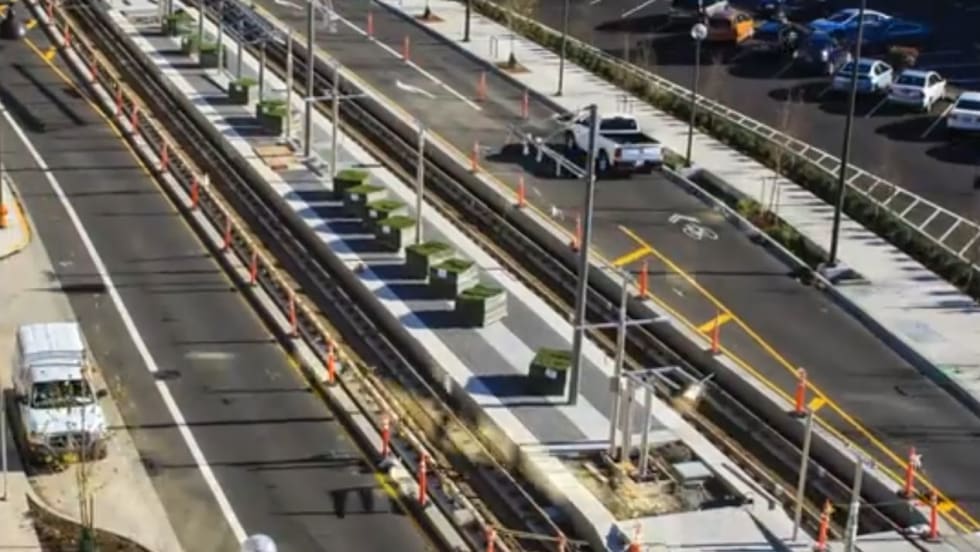
TriMet's eco-track system included drainage mats, irrigation and soil. This timelapse shows the installation of the final layer, mats holding the vegetation being placed between and next to rail on both the northbound and southbound trackways.
Read More →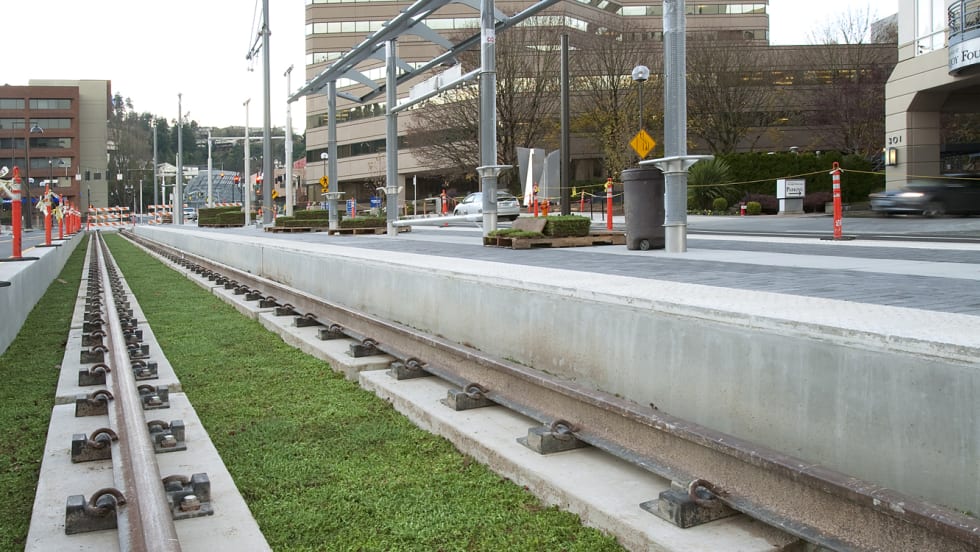
The vegetated trackway area is pervious to stormwater, thus reducing runoff. It is comprised of 1-inch thick mats with various sedum species.
Read More →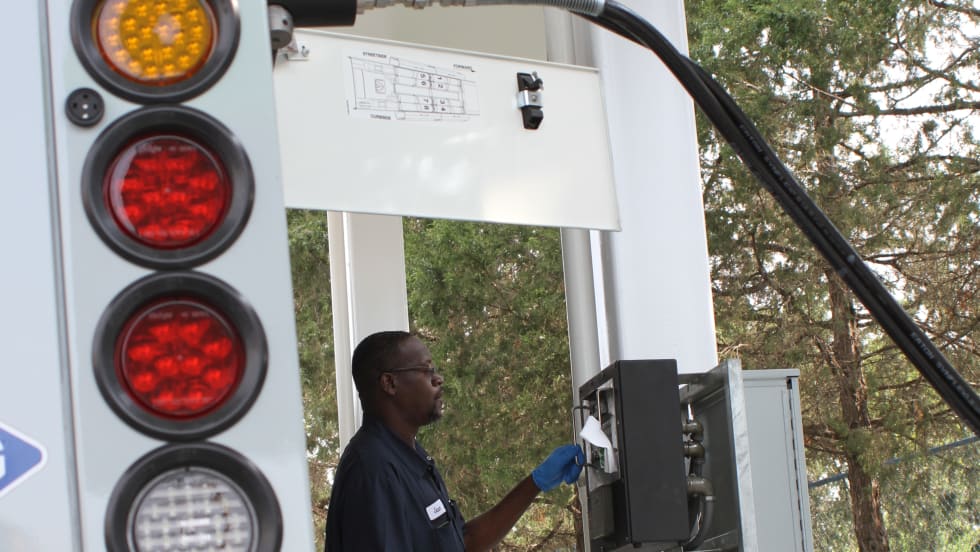
Within three years, the agency is expected to use approximately 700,000 diesel gallon equivalents of CNG per year, which reduces greenhouse gases by 1,622 metric tons per year, the equivalent of taking 335 cars off the road per year.
Read More →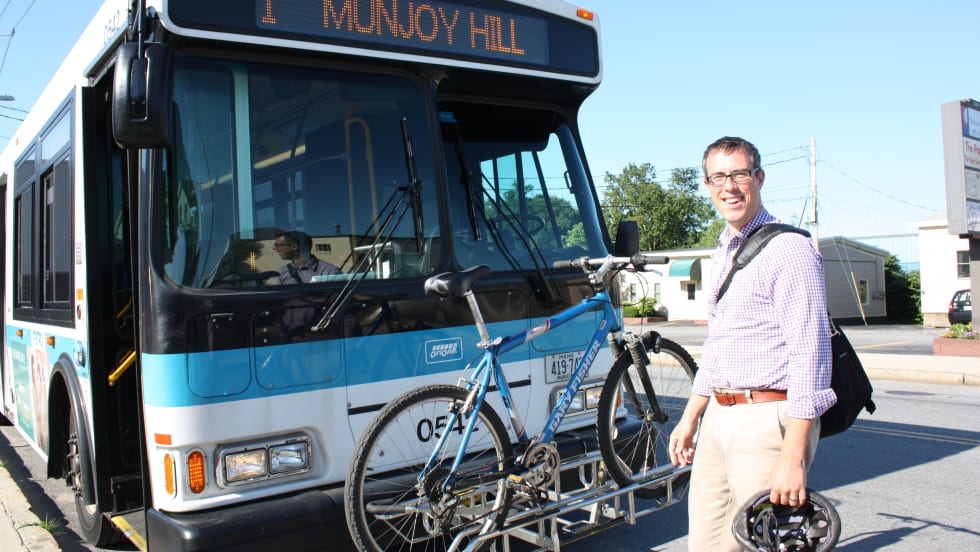
As the largest year-round fixed-route transit provider in Maine, the Greater Portland Transit District (METRO) is committed to building a transit fleet that is 100% powered by alternative fuels.
Read More →
Finance Minister Charles Sousa said there is a pent-up demand among ecologically minded investors for these bonds, which he hopes will enable the government to pay a lower interest rate than they do on conventional bonds, according to the report.
Read More →It is estimated that global penetration of hybrid buses will reach 9.7% by 2020, while electric buses will attain 5.7% penetration. Together, hybrid and electric transit bus unit shipments will reach close to 42,000 units.
Read More →Buses fueled by natural gas would be the lowest-cost option for CityBus in a 15-year project that examined expenses of buying buses, maintaining them and keeping them fueled. The diesel-electric hybrid would be the costliest.
Read More →Conventional wisdom figures that transit agencies would naturally lean toward sustainability. After all, getting people out of their cars and reducing their carbon footprint is a major selling point to many massive public works projects, especially in congested regions with progressive constituencies.
Read More →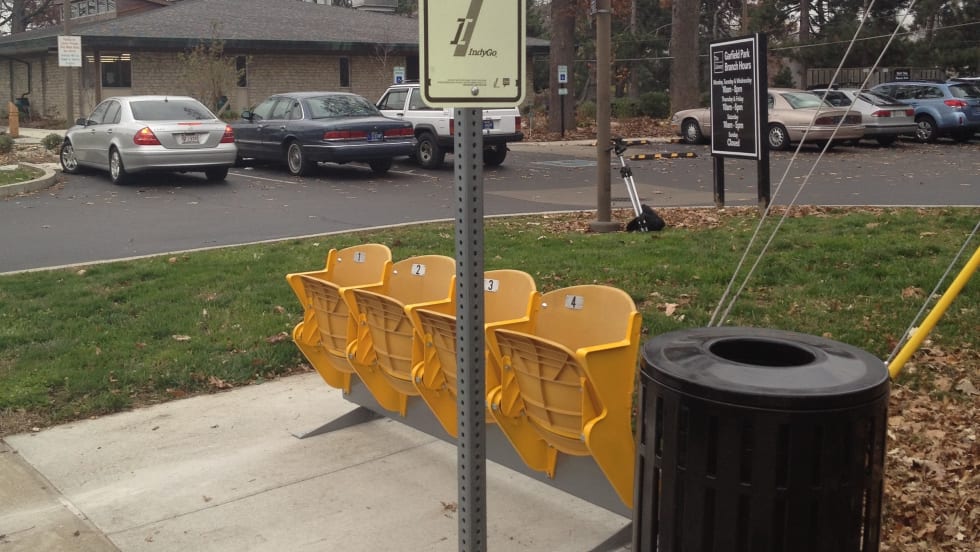
Collaborative project salvaged historic Bush Stadium seating and repurpose them as benches at bus stops, dubbed the PUPstop program
Read More →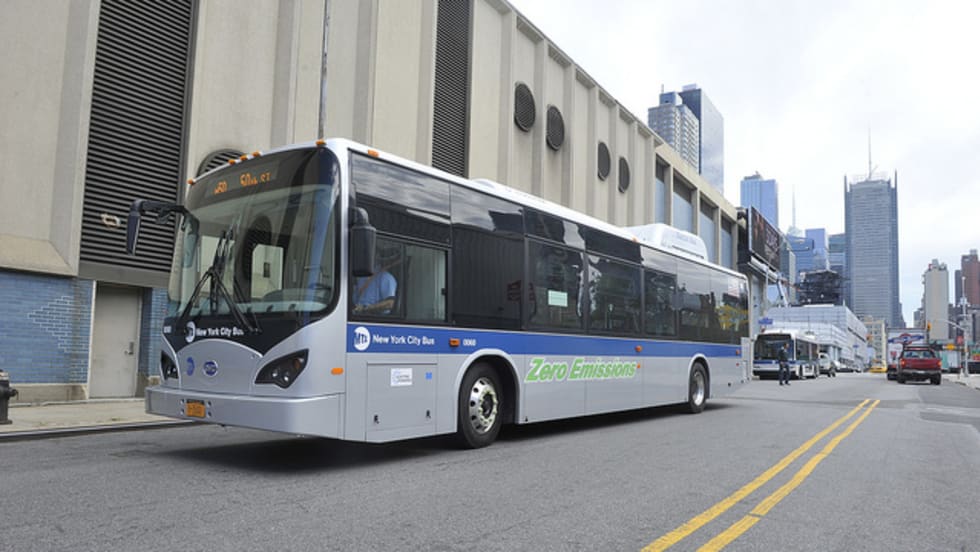
The test will determine if this type of bus can meet the twin challenges of operating in the stop-and-go traffic of Manhattan while maintaining high levels of passenger comfort and operational performance.
Read More →