
Metro Magazine

 MENU
 SEARCHMENUSEARCH
Loading data...

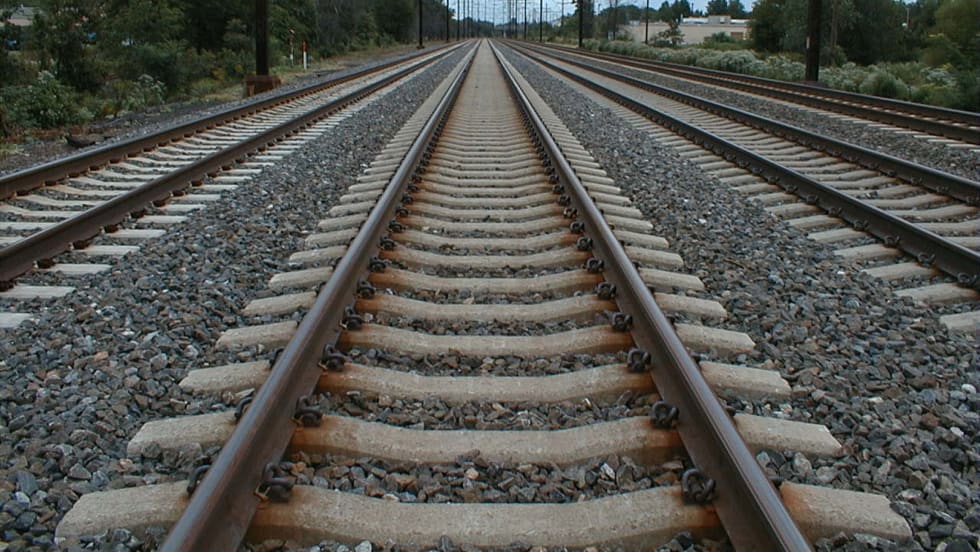
The initial phase of the XpressWest project, which will link Las Vegas to Victorville, Calif., will cost $8 billion.
Read More →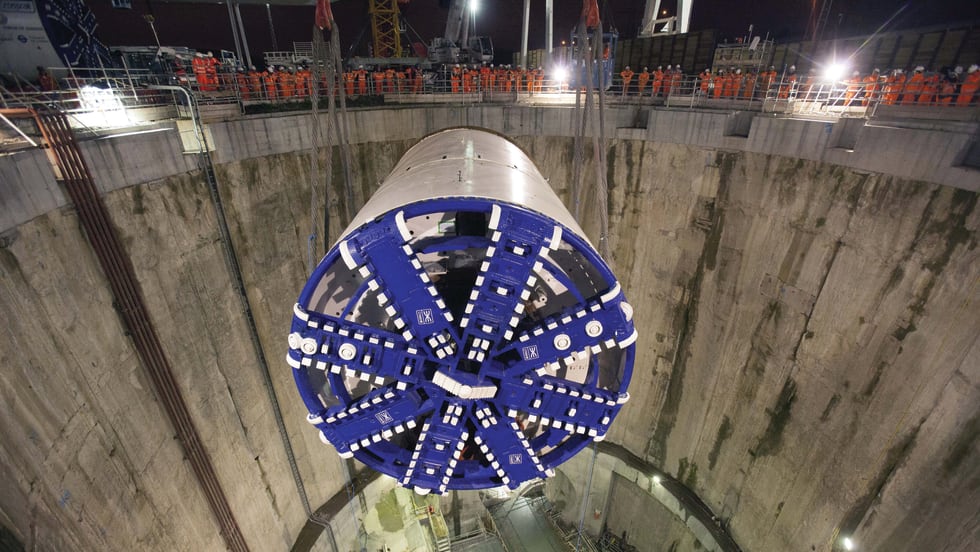



As one of Europe’s largest construction projects, Crossrail will transform rail transport in London, increasing rail capacity in central London by 10%, supporting regeneration and cutting journey times across the capital.
Read More →Will allow agency to operate train service longer leading into, and recover more quickly following, storm events.
Read More →This year’s allocation is the largest that has ever been dispensed partly because of disruptions in the supply chain caused by COVID-19. The federal funding will support track repair, rail upgrades, bridge work, and construction of new rail lines and facilities.
Read More →There are more than 25 active construction sites in California’s Central Valley, with the authority having environmentally cleared 422 miles of the high-speed rail program from the Bay Area to the Los Angeles Basin.
Read More →Cost of construction ($3,926,600) will include shelter construction, landscaping, lighting, utility relocation, data and power hook-ups, dynamic messaging signs for bus arrival information and bike racks.
Read More →Company will perform consulting and other services for long-term capital program.
Read More →The St. Francisco Circle Rail Replacement Project included rebuilding two low-level boarding islands and two platforms for customers with disabilities and installing 3,000 track feet of rail; two automatic rail switches; and a fully integrated train and traffic signal control system as well as updating the storm sewer system.
Read More →Will provide construction management services and rail expertise for the first phase of Moynihan Station construction in Manhattan.
Read More →The agreement helps lower overtime costs by allowing the CTA to more efficiently run three consecutive work shifts at regular time, instead of overtime. The new work rules also lower the number of required workers on the afternoon shift, which includes the afternoon rush hour and is typically the least-efficient shift.
Read More →