
Metro Magazine

 MENU
MENU SEARCHMENUSEARCH
Loading data...
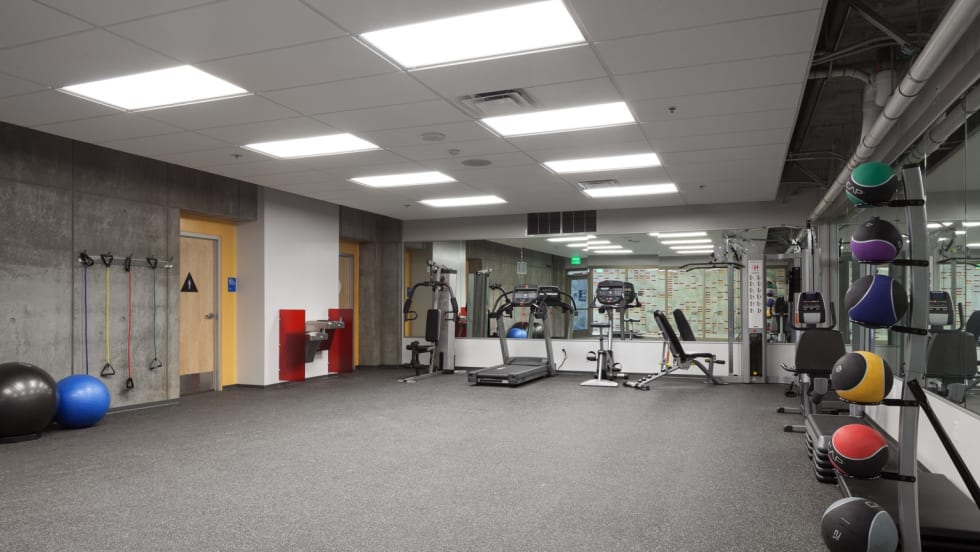
Most transit facilities have a break room for operators to use between shifts — typically an artificially lit space with a TV, vending machines, and cafeteria-style tables and chairs. The trouble is, every person has a different way of relaxing. Besides exposure to daylight and nature, key components of wellbeing are social cohesion and a sense of empowerment. The key here then is to empower employees to choose the best way to relieve their own stress around shifts.
Read More →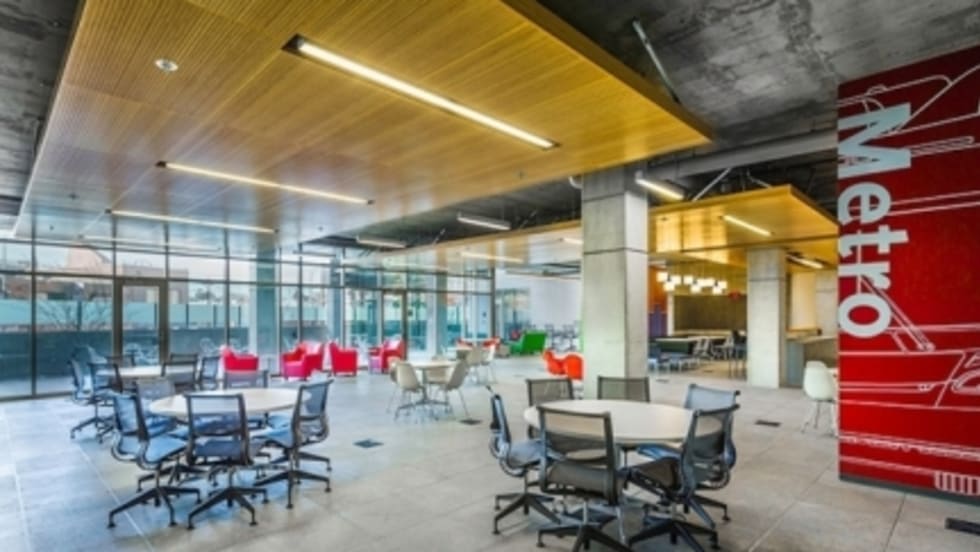


A health and wellness revolution is underway in America. Concurrently, there is a growing public health initiative to promote safer, more accessible recreation facilities and active transit options. Transit agencies are uniquely positioned in the overlap of these two movements. By promoting health and well-being, agencies have an opportunity to show leadership and innovation in a truly holistic approach to total worker health, while benefiting workforce productivity and happiness.
Read More →There is an epidemic of safety accidents, absenteeism and high turnover among transit’s front line employees and it’s bleeding the transportation industry billions of dollars. But the inoculation may be closer than you think. Employee engagement is the best immunization for what’s ailing the industry.
Read More →Operating a fixed-route bus in today’s distracted world requires high levels of focus and concentration. The brain must continually sift through loads of information during bus operation to determine what things can be ignored and what things pose a potential threat to our safety and well-being. Once the brain detects a potential hazard or threat, a specific response must occur to keep us from harm’s way. When our brains are forced to sustain this level of effort for long periods of time a great deal of energy is required.
Read More →