




Related: Health and Wellness Programs Help Keep the Doctor Away
How Bus Operators Can Improve Focus, Concentration with Food Choices
Operating a fixed-route bus in today’s distracted world requires high levels of focus and concentration. The brain must continually sift through loads of information during bus operation to determine what things can be ignored and what things pose a potential threat to our safety and well-being. Once the brain detects a potential hazard or threat, a specific response must occur to keep us from harm’s way. When our brains are forced to sustain this level of effort for long periods of time a great deal of energy is required.
August 10, 2015
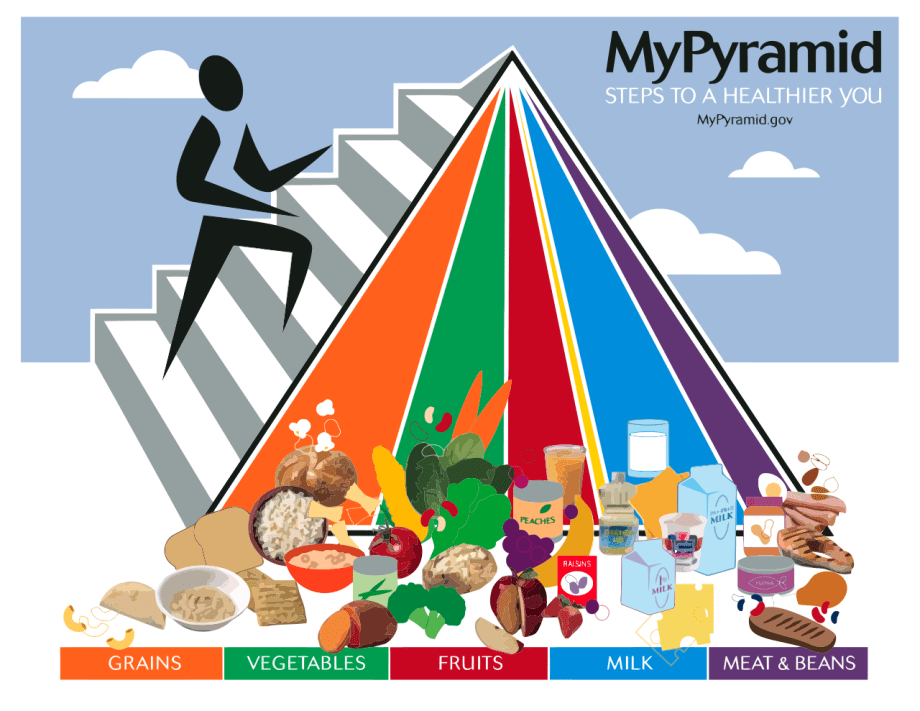
USDA
5 min to read

USDA
Operating a fixed-route bus in today’s distracted world requires high levels of focus and concentration.
The brain must continually sift through loads of information during bus operation to determine what things can be ignored and what things pose a potential threat to our safety and well-being. Once the brain detects a potential hazard or threat, a specific response must occur to keep us from harm’s way. When our brains are forced to sustain this level of effort for long periods of time a great deal of energy is required.
As we all know, the energy required by the brain to function properly comes directly from our diets. In short, what we eat directly impacts our brain power.
Unfortunately, for many, eating well requires time and preparation that may not currently be part of their morning routine. Some of us do not function well in the morning, so for us, simply getting up, showered and out the door is a major accomplishment. My morning breakfast used to consist of four or five cups of black coffee and a couple of Pop Tarts. This is not the type of meal, and discipline that will lead to a successful day in passenger service.

The key to breakfast, and all meals, is balance. You want to eat some plant (tahini, quinoa) or animal protein (eggs, bacon, lean breakfast sausage), a little bit of fruit and whole grains (such as oatmeal). Whole grains are recommended because they have a low glucose index. Glucose in the bloodstream is the energy source for our brains. Foods with a low glucose index take a while for our bodies to process and so the release of sugar into the bloodstream is gradual, allowing us to remain mentally alert throughout the morning portion of our day.
You have to be careful with some cereals as they are made from grains that have been heavily processed and/or contain high levels of sugar. Cereals that contain lots of sugar (or lack whole grains) will cause your blood sugar to spike as they release their glucose very quickly. Our brains like sugar, so we may actually crave such cereals for breakfast to help get us going, however, the problem is that once this surge passes, our glucose levels drop quickly and so does our ability to concentrate. And, this causes us to want to eat something else to help bring our glucose levels back up.
One thing I’ve added to my morning breakfast that helps me concentrate is oatmeal sprinkled with blueberries. I am a recovering sugar addict, so I used to eat oatmeal that was measured as one part whole grains, two parts brown sugar. This is not the way to eat oatmeal for sustained concentration. Adding blueberries (and some skim milk) is one way to make oatmeal a bit more appealing without undoing the benefits by adding spoons of sugar. Try it, you might like it.

Some nutritionists recommend drinking a protein shake to which you can add some fish oil, coconut oil or flaxseed oil. Fish is a great source of essential fatty acids and they also contain both EPA and DHA, which help fight cardiovascular disease. A recent study conducted in Norway indicated that subjects that added fish or fish oil to their diets performed substantially better on cognitive tests than they did before making this single dietary adjustment.
Evidence also suggests that avocados are very good for our brains. The problem here for me is texture… I don’t like the mush. I have spoken with many people that work avocados into their diet by adding it to their morning eggs, thin slicing it into their sandwiches or by adding it to salads. Guacamole anyone?
As for drinks, we probably are aware that while we are sleeping, we are not taking in any (or enough) fluids to prevent us from becoming a bit dehydrated by the time our morning alarms sounds. As a result, one of the first things we should do after we roll out of the sack is to drink at least one or two cups of water. I’m not suggesting you gulp two cups straight down, but try to take in some H2O before going for that first cup of coffee or glass of orange juice.
There are some who would suggest that OJ should be consumed in moderation as it contains high levels of sugar, so remember to use a small glass. You might also like to drink some milk in the morning. The reading I’ve been doing suggests that almond and soy milk are better options than dairy milk.
This next tidbit of information nearly caused me to weep in front of my children… For sustained concentration, you should limit the amount of coffee or caffeine in your daily diet. I can’t be a hypocrite here, so I will just note that there is information to suggest that caffeine should be limited or removed from our diets. I’m really trying to cut back, but I’m not sure I can eliminate coffee altogether from my breakfast line up.
For many, breaking the reliance on breakfast foods that are heavy on carbs (which can be easily and quickly converted into sugar), such as donuts, bagels with cream cheese and pancakes with maple syrup, will take some effort and will power, but once your body starts getting used to a more balanced approach to breakfast -- things will get easier.
Next month, we’ll take a look at how to prepare our lunch boxes to ensure that we have proper nutrition available to fuel the rest of our day.
Steve Mentzer is manager, transit simulations, training & courseware, L-3 D.P. Associates.
In case you missed it...
Read our previous blog, "Bus Simulator Training: How to Get It Right!"
Subscribe to Our Newsletter
More Blog Posts

Improving Transit Accessibility by Offering Assistive Listening
Did you know that there are literally tens of millions of people worldwide with hearing loss, many of whom will use some form of public transit at some point?
Read More →
35 Years of the ADA, Making Travel Easier for Seniors
Thirty-five years after the passage of the Americans with Disabilities Act of 1990 (ADA), the impact of this landmark piece of civil rights legislation cannot be overstated.
Read More →
Driving Performance with Purpose: How I Lead One of Greyhound’s Top Teams
Safety, on-time performance, and customer experience are critical elements in intercity bus operations. But getting them right doesn’t come down to plans or protocols alone. It comes down to execution. How well your team performs on the ground, in real time, is what defines success.
Read More →
Navigating Emerging Privacy Laws: A Call to Action for Service Providers in Mass Transit
With Data Privacy Day Jan. 28, I want to spotlight a critical challenge faced by service providers in the mass transit sector: managing personal information responsibly in an era of rapidly evolving privacy regulations.
Read More →
Human Trafficking Awareness: What Public Transportation Can Do?
January is National Slavery and Human Trafficking Prevention Month in the U.S., and January 11 is National Human Trafficking Awareness Day.
Read More →
Want to Improve Transit Safety and Operations? Break Down the Silos
Retrieving and reviewing data and video can be a cumbersome process for fleet managers. Each system or tool provides a piece of the puzzle, but seeing the complete picture requires tedious manual synchronization.
Read More →
Ensuring Public Transit Cybersecurity Through Robust Protective Measures
In today’s highly connected world, cybersecurity is of utmost importance, particularly for transportation agencies overseeing transit bus systems that rely increasingly on sophisticated technologies, including the use of data analytics in traffic signal networks, to manage and operate their systems.
Read More →
How Advances in Thermal Management Revolutionize Urban Mobility
In the daily hustle and bustle of city life, transit buses serve as the backbone of urban transportation, allowing millions of city dwellers to get from point A to point B each day reliably.
Read More →
The Evolution of Bus Design
Thirty years ago, drivers not only had to drive the bus and navigate heavy traffic, but they were also responsible for tasks like supervising passenger loading and unloading, selling tickets, and providing passengers with various kinds of information, all while sitting in an often ill-fitting workstation.
Read More →
What 'Transit Safety 101' Really Means
Safety, Safety, Safety. This word is used repeatedly, and in many contexts, without most people understanding what it actually means.
Read More →