
Metro Magazine

 MENU
MENU SEARCHMENUSEARCH
Loading data...
The first of its kind bus will serve Honolulu’s Daniel K. Inouye International Airport, one of the busiest airports in the U.S. with more than 21 million passengers per year.
Read More →

The company debuts a new name that reflects the company’s full-service offerings in the alternative fuels industry.
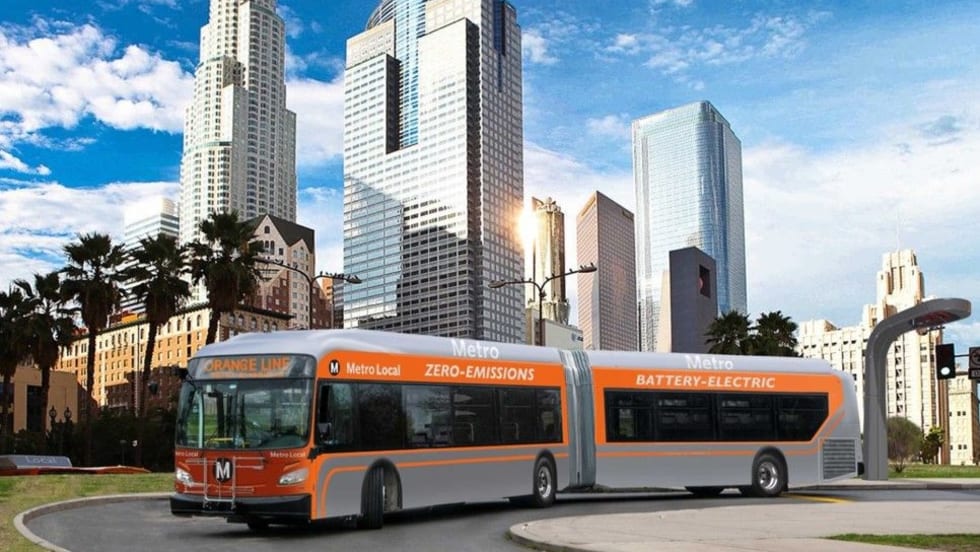
Read More →Low-No Program supports projects bringing bus technologies such as battery-electric power and hydrogen fuel cells into service.
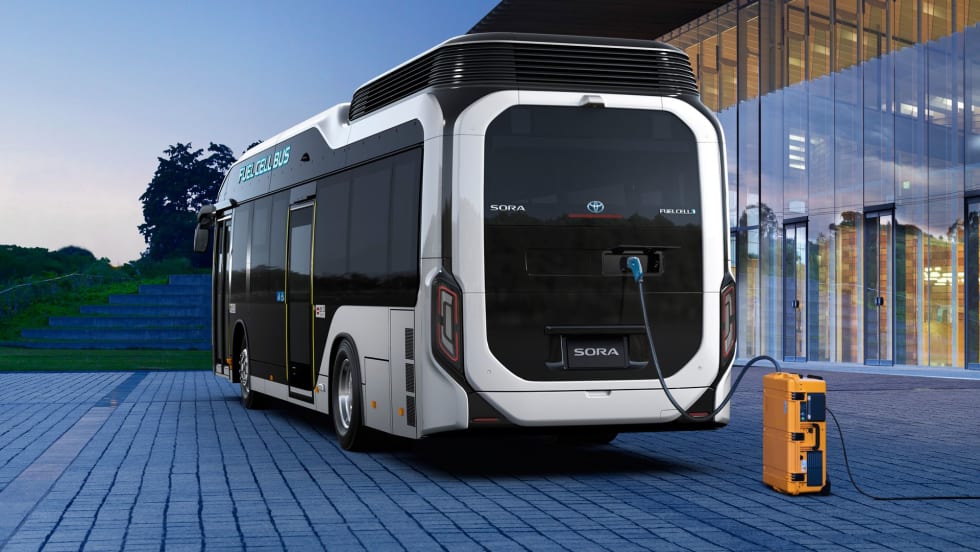
Read More →Toyota expects to introduce over 100 fuel-cell buses, mainly within the Tokyo metropolitan area, ahead of the Olympic and Paralympic Games Tokyo 2020.
Read More →A growing number of agencies are purchasing zero-emission buses, primarily involving batteries as the energy storage of choice. As with any procurement choice, the reasons for the growing trend vary by city, but the primary rationale has been a political commitment to the cleanest propulsion possible.
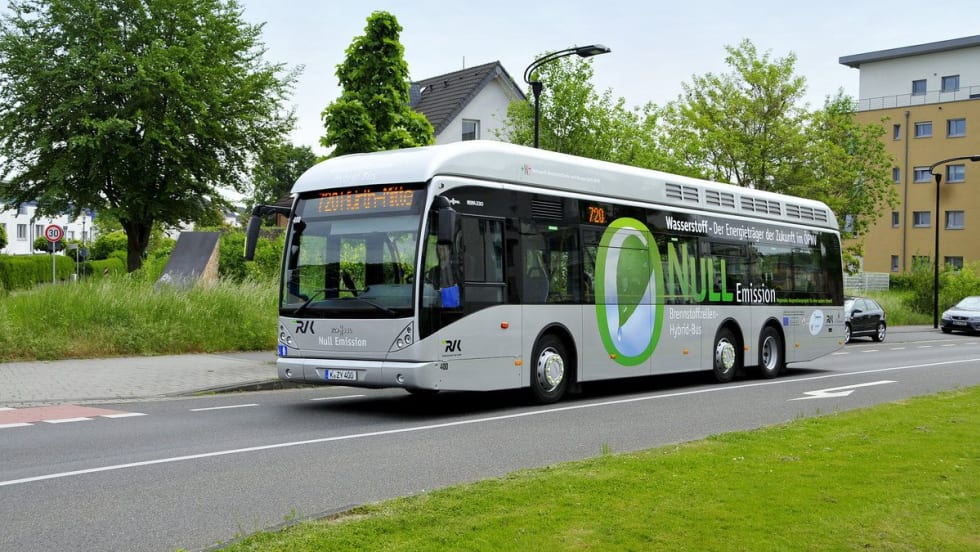
Read More →The order for Cologne and Wuppertal makes it the largest order for hydrogen-powered vehicles ever placed in Europe.
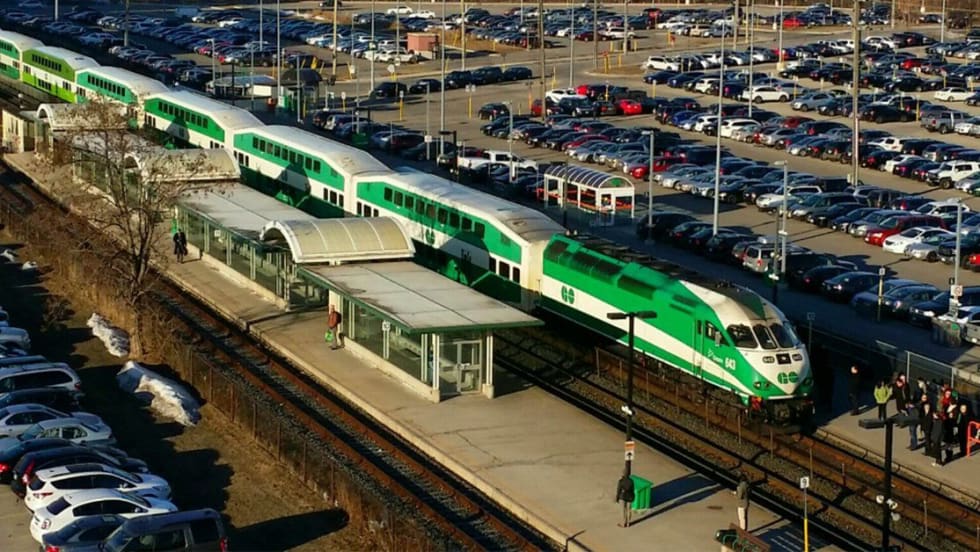
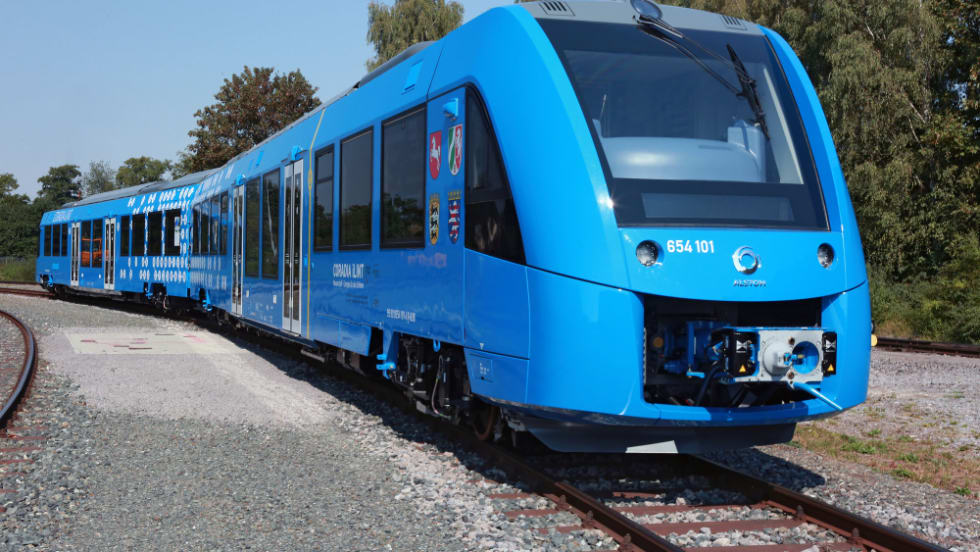
Read More →Ontario is engaging with train manufacturers Alstom and Siemens to produce concept designs that incorporate hydrogen fuel cells into bi-level trains.
Read More →The German Federal Ministry for Transportation and Digital Infrastructure will support Siemens and RWTH Aachen with project funding of roughly $14 million as part of the Ministry’s “National Hydrogen and Fuel Cell Technology Innovation Program.”
Read More →Features include clean energy conversion, flexible energy storage in batteries, and smart management of traction power and available energy.
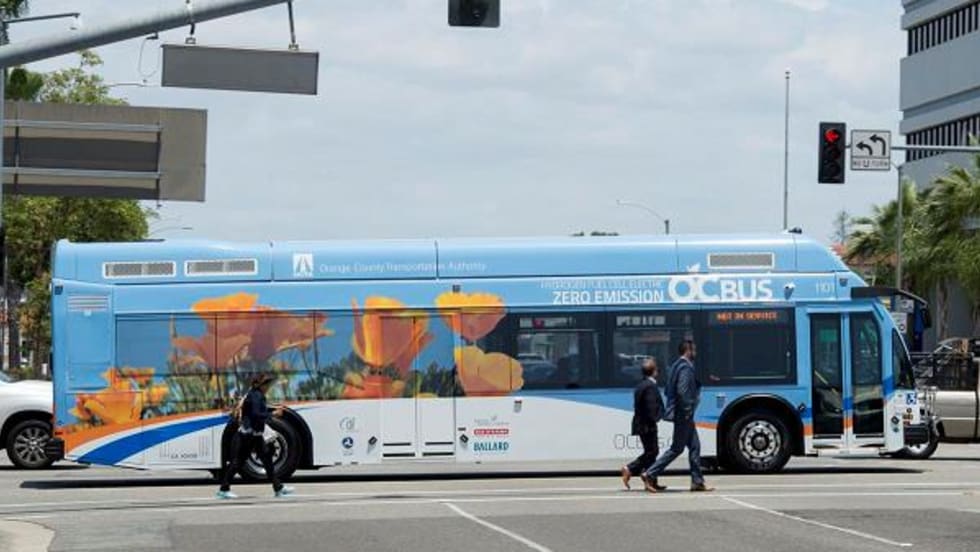
Read More →Will begin construction on its first hydrogen fueling station for fuel-cell electric buses this summer for the Orange County Transportation Authority.
Read More →