



Publisher's Perspective: More agencies commit to zero-emission buses
A growing number of agencies are purchasing zero-emission buses, primarily involving batteries as the energy storage of choice. As with any procurement choice, the reasons for the growing trend vary by city, but the primary rationale has been a political commitment to the cleanest propulsion possible.

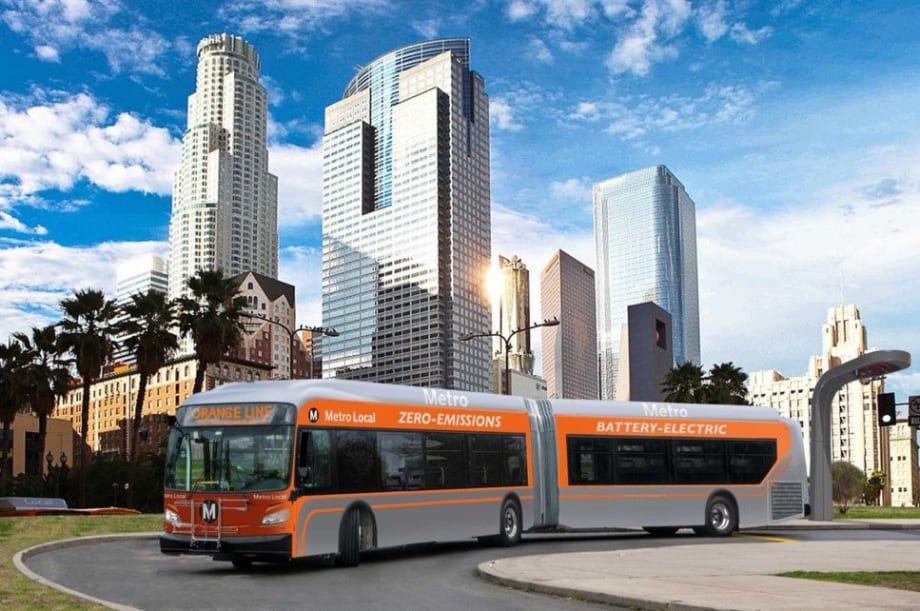
Los Angeles Metro has committed to conversion of its entire 2,400 bus fleet by 2030.
New Flyer

Los Angeles Metro has committed to conversion of its entire 2,400 bus fleet by 2030.
New Flyer
A growing number of agencies are purchasing zero-emission buses, primarily involving batteries as the energy storage of choice. As with any procurement choice, the reasons for the growing trend vary by city, but the primary rationale has been a political commitment to the cleanest propulsion possible. As with any new breakthroughs, careful attention will need to be paid to how such new propulsion affects the entire operation.
Batteries follow other electronic, digital trends
The advances in zero-emission buses have been a rapidly moving target in recent years. Take operating range as but one example. Today, manufacturers are boasting ranges of more than 300 miles on a single charge. Another example is battery life before they need to be retired. Thanks to advances in battery chemistries, some bus builders are now claiming their batteries will last as long as the full design-life of a heavy-duty transit bus, which is mandated to be 12 years in the U.S.
Of course, some of these claims come with significant caveats. Duty cycle is one; climate and passenger-load factors are two others. Buses operating in extreme climates or with steep hills, and/or with heavy heating and air-conditioning demands, as well other onboard electronic features that can gobble juice voraciously, and with heavy passenger demands, can affect both range and battery life dramatically.
That said, a growing number of agencies are all-in on these buses, committing to a conversion of their entire bus fleets within a few short decades. The most dramatic of these is in Los Angeles, where Metro has committed to conversion of its entire 2,400-bus fleet by 2030. The sheer size of this commitment, with the orders that it will produce over the next 12 years, will have a major impact on the U.S. transit bus market.
Meanwhile, just as the costs of battery-electric buses have come down, several other technologies have been getting much better. For example, the cost, range, and reliability of buses powered by hydrogen fuel cells has been improving as well, though, not as rapidly because the volumes ordered to date have not been produced and operated at the levels as their battery-electric counterparts. Yet another technology that shows great promise is the development of natural gas engines designed to use so-called “renewable” natural gas; that is, gas recovered from landfills and other sources where it is a byproduct of some other activity. Some analyses, on a comprehensive “wells to wheels” basis have the benefits far outweighing costs, including monetized environmental ones.
Is this another game-changer?
These developments make for complicated decision-making. How best to transition to a new era will have profound implications for route planning, operations, maintenance facility design, training, and a long list of other considerations. For those who marvel at how much change has taken place in public transportation in the past two decades, buckle up. The pace is quickening — rapidly.
More Technology

APTA Transform Conference & EXPO Exhibitor Spotlight
METRO’s Exhibitor Spotlight provides a quick look at some of the companies exhibiting at this year’s event, including where to find them on the show floor.
Read More →
CharterUP’s Armir Harris on Technology, AI, and the Future of Group Mobility
In a recent episode of METROspectives, CharterUP Founder/CEO Armir Harris discussed the company’s evolution from an online charter bus marketplace into a technology platform supporting public- and private-sector mobility and much more.
Read More →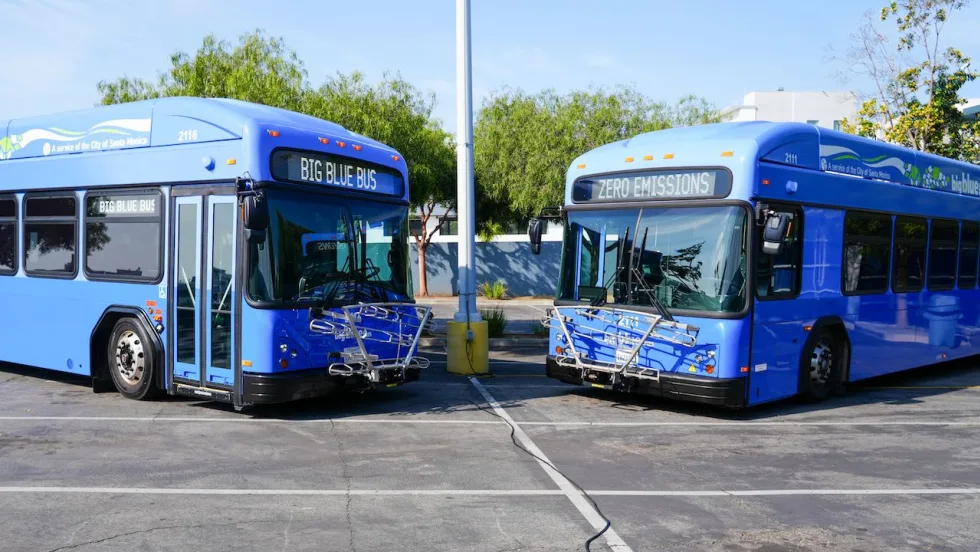
Biz Briefs: ChargePoint, Eaton Power Santa Monica’s Electric Bus Fleet Transition and More
From manufacturers and suppliers to transit agencies and motorcoach operators, these updates offer a snapshot of the projects, partnerships and business moves driving the industry forward.
Read More →
Stay Connected With METRO Magazine Across Social Media
Are you following us on Facebook, LinkedIn, and YouTube? Join the METRO community now!
Read More →
RTD Launches NextRide App to Consolidate Trip Planning, Fares, Security Reporting
The app expands on RTD’s existing NextRide web application and allows customers to view real-time vehicle locations and service alerts, purchase and store digital fares, and access customer support.
Read More →
The Business Voice Behind Public Transportation
As chair of APTA’s Business Members Board of Governors, Ray Melleady explains how more than 850 business members are partnering with transit agencies to advance funding, innovation, and industry-wide collaboration.
Read More →
People Movement: ABC Names John Walsh as Chief Commercial Officer
In this edition, METRO also covers recent appointments and announcements at the DART, STV, and more, showcasing the individuals helping to shape the future of transportation.
Read More →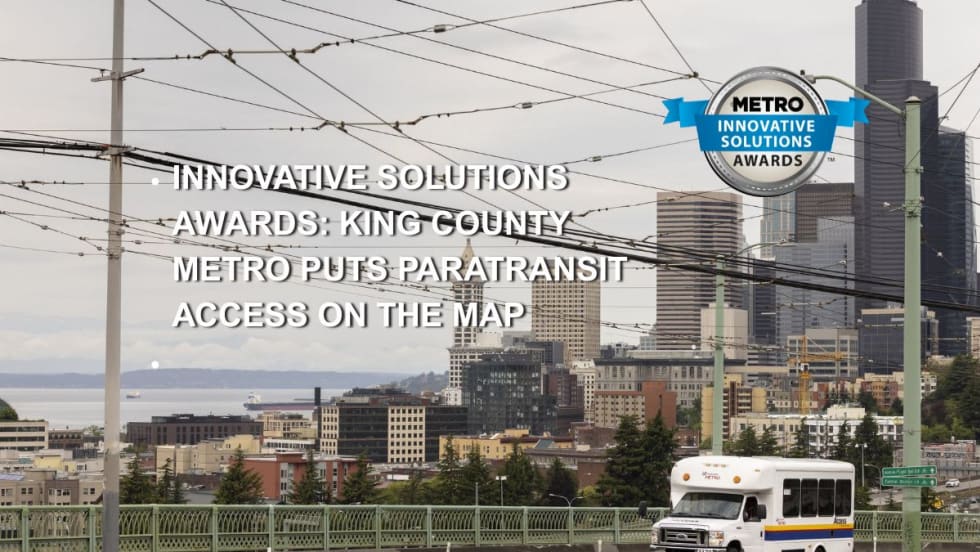
King County Metro Makes ADA Paratransit Easier to Navigate
METRO's Innovative Solutions Award winner replaces complex service-area descriptions with an accessible, interactive map that puts paratransit information directly in customers’ hands.
Read More →
TransDASH Summit Focuses on Measuring What Matters in Transit
Transit agencies unveil a national performance platform designed to benchmark customer experience, safety, community value, and other outcomes.
Read More →
Jacksonville’s NAVI Project Charts a New Course for Autonomous Public Transportation
Through its NAVI program, JTA is showing how autonomous vehicles, intelligent infrastructure, and coordinated operations can work together to deliver everyday public transportation.
Read More →