
Metro Magazine

 MENU
MENU SEARCHMENUSEARCH
Loading data...
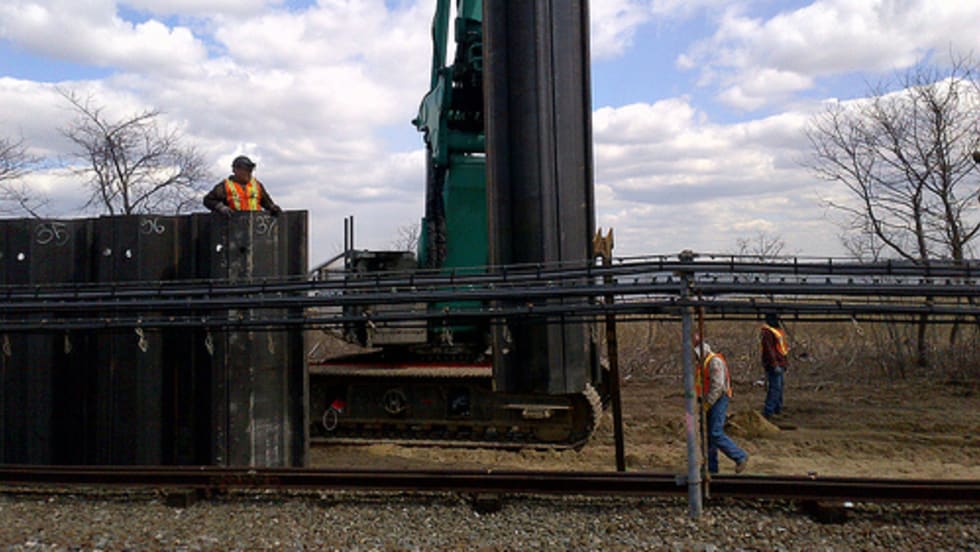
The seven-foot steel wall is expected to keep out the sea along a two-mile stretch of the A subway line on its way to the Rockaway peninsula in Queens.
Read More →
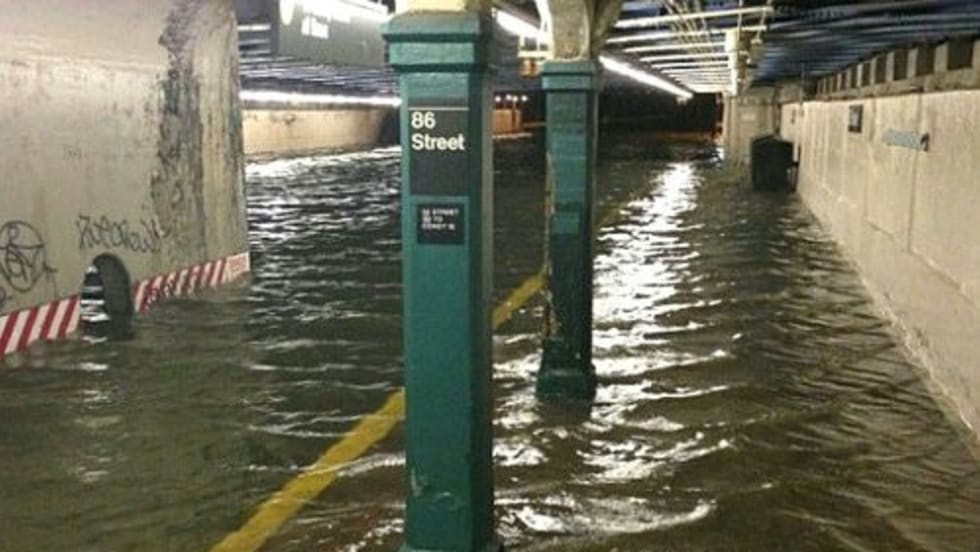
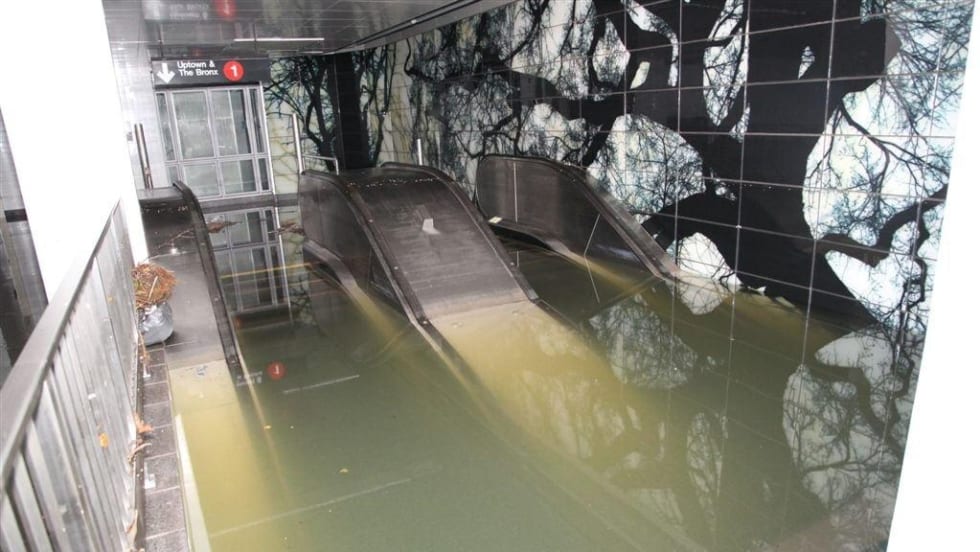
The Disaster Relief Appropriations Act authorized a total of $10.9 billion, which is now reduced by 5%, or $545 million, because of the mandatory budget cuts known as sequestration that took effect on March 1.
Read More →New emergency relief authority provides FTA with primary responsibility for reimbursing emergency response and recovery costs after an emergency or disaster that affects public transportation systems and for helping to mitigate the impact of future disasters.
Read More →The transportation agency paid $2.9 million less in 2012 than it did in 2011 to employees cashing out their unused sick and vacation time. It also paid $4.1 million less in overtime from the previous year.
Read More →The agency is installing 30 Automated External Defibrillators (AEDs) in 17 locations and has trained 20 employees in CPR and the use of the AEDs. The training and AEDs are part of a larger effort by the two organizations to improve preparedness in the community.
Read More →Money will reimburse transit agencies for extraordinary expenses incurred to protect workers and equipment, and support urgently needed repairs to seriously damaged transit systems and facilities in New York, New Jersey, Connecticut and elsewhere.
Read More →For the men and women who run the MTA’s vast network of subways and buses, Superstorm Sandy was a trial, not by fire, but by wind and water.
Read More →When asked at a hearing why the agency didn’t move hundreds of railcars and engines before superstorm Sandy struck, executive director Jim Weinstein defended the decision. He said it was based on the fact that its yards had never flooded in NJ Transit’s nearly 30-year existence.
Read More →Report said the agency launched a probe into its Superstorm Sandy preparations, looking primarily at the decision to store trains in areas that ended up getting flooded. The potential damage could cost millions and may have been preventable.
Read More →Developed by University of California, Berkeley seismologists, it sends alerts over the Internet to the transit system and other end users, such as Google.
Read More →