



FTA provides $2B in aid for Hurricane Sandy damage
Money will reimburse transit agencies for extraordinary expenses incurred to protect workers and equipment, and support urgently needed repairs to seriously damaged transit systems and facilities in New York, New Jersey, Connecticut and elsewhere.

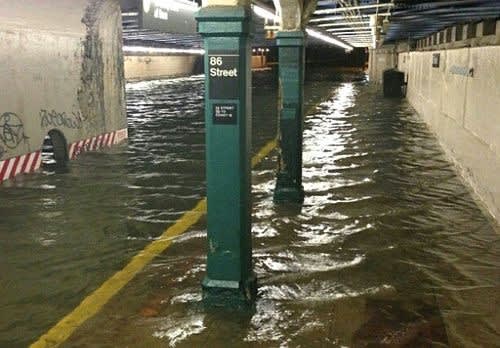
The U.S. Department of Transportation (DOT) today announced the availability of $2 billion through the Federal Transit Administration’s (FTA) new Emergency Relief Program to help protect, repair, reconstruct, and replace public transit equipment and facilities that were badly damaged by Hurricane Sandy. The funds are the first installment of $10.9 billion appropriated to the FTA through the Disaster Relief Appropriations Act of 2013, which President Obama signed into law on January 29.
“At DOT, we continue doing all we can to help our state and local partners make their storm-damaged public transportation systems whole again,” said Secretary LaHood. “The $2 billion we’re making available now will reimburse transit agencies for extraordinary expenses incurred to protect workers and equipment before and after the hurricane hit, and support urgently needed repairs to seriously damaged transit systems and facilities in New York, New Jersey, Connecticut and elsewhere.”
FTA’s new Emergency Relief Program was established under the two-year surface transportation law, Moving Ahead for Progress in the 21st Century (MAP-21). The funds will be awarded through the program on a rolling basis, in the form of grants to states, local governments, transit agencies and other organizations that own or operate transit systems damaged by the storm. Information about the funds and how to apply is available at www.fta.dot.gov/emergencyrelief.
“The Department has stepped up to address the worst transit disaster in U.S. history, which directly affected well over one-third of the nation’s transit,” said FTA Administrator Peter Rogoff. “We are pledged to distribute the emergency relief funding responsibly and as quickly as possible to ensure that transit riders have the reliable service they need and deserve—and lay a strong foundation to mitigate the impact of such disasters in the future.”
Following the storm, the Department developed a rapid-response strategy to assist transit providers in the short-run, while laying the foundation for the responsible administration of federal-aid transit funds available now. Notably, the Federal Emergency Management Agency (FEMA) and FTA have conducted continuing damage assessments and cost-validation work for both operating and capital costs associated with restoring and rebuilding transit in the impacted areas. These early joint efforts support FTA’s ability to compensate the affected transit agencies promptly while ensuring that taxpayer dollars are being spent responsibly.
Consistent with the requirements of the supplemental appropriations, the remaining disaster relief funds will be made available after FTA issues interim regulations. For the most part, the FTA will cover 90% of the cost of transit-related operating and capital projects undertaken in response to Hurricane Sandy.
More Paratransit

Biz Briefs: RIPTA Unveils New Frontrunners, Clevland RTA Adds New Siemens, and More
In METRO's latest installment, we take a look at recent news from Siemens, Prevost, Dodge, and more partnerships making headlines across the transportation sector.
Read More →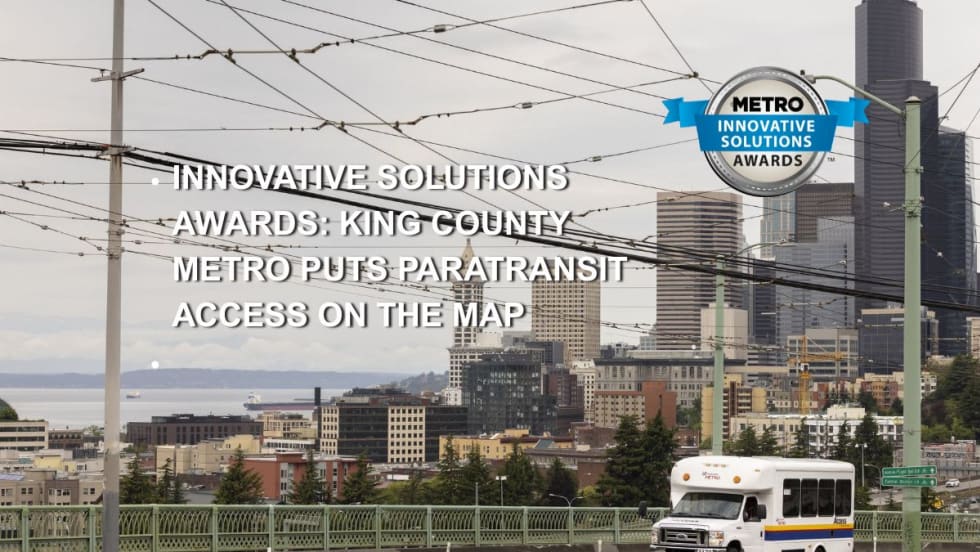
King County Metro Makes ADA Paratransit Easier to Navigate
METRO's Innovative Solutions Award winner replaces complex service-area descriptions with an accessible, interactive map that puts paratransit information directly in customers’ hands.
Read More →
Jacksonville’s NAVI Project Charts a New Course for Autonomous Public Transportation
Through its NAVI program, JTA is showing how autonomous vehicles, intelligent infrastructure, and coordinated operations can work together to deliver everyday public transportation.
Read More →
Driving Smarter Paratransit
John Hanlon shares how AlphaRoute is leveraging AI-powered technology to help paratransit providers optimize operations, support frontline staff, and enhance the rider experience.
Read More →
METRO Magazine Announces 2026 Innovative Solutions Awards Winners
Projects Recognized for Advancing Mobility Through Technology, Accessibility, Workforce Innovation, and Operational Excellence
Read More →
Biz Briefs: STV teams with Amtrak, Motorcoach Operators Boost Fleet and Land Contracts, and More
From manufacturers and suppliers to transit agencies and motorcoach operators, these updates offer a snapshot of the projects, partnerships and business moves driving the industry forward.
Read More →
Biz Briefs: Masabi Teams with St. Louis Metro and More
In METRO's latest installment, we take a look at recent news from Transdev, Hitachi, and more partnerships making headlines across the transportation sector.
Read More →
New York MTA Leverages Zoning Program to Advance Station Accessibility
Accessibility enhancements at Nevins St Station will be financed through a development agreement tied to the MTA's Zoning for Accessibility initiative.
Read More →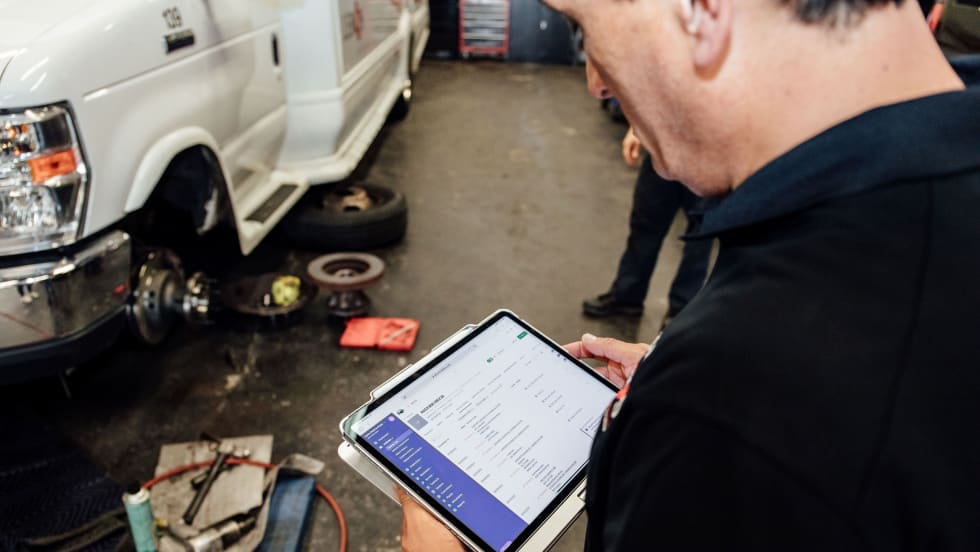
Reinventing Fleet Maintenance with Real-time Visibility and AI
Transit leaders need to know what needs fixing, where to look, who is responsible, when work is completed, and what it costs without having to chase information across disconnected systems.
Read More →
SamTrans Sets Priorities for Potential Connect Bay Area Revenue
The board-approved framework allocates future funding to maintaining service, rider improvements, equity initiatives, and infrastructure repairs.
Read More →