
Metro Magazine

 MENU
 SEARCHMENUSEARCH
Loading data...
Eric Reese discusses how interoperability, open architecture, and modular design can help transit agencies control costs, reduce vendor lock-in, and upgrade technology without starting over.
Read More →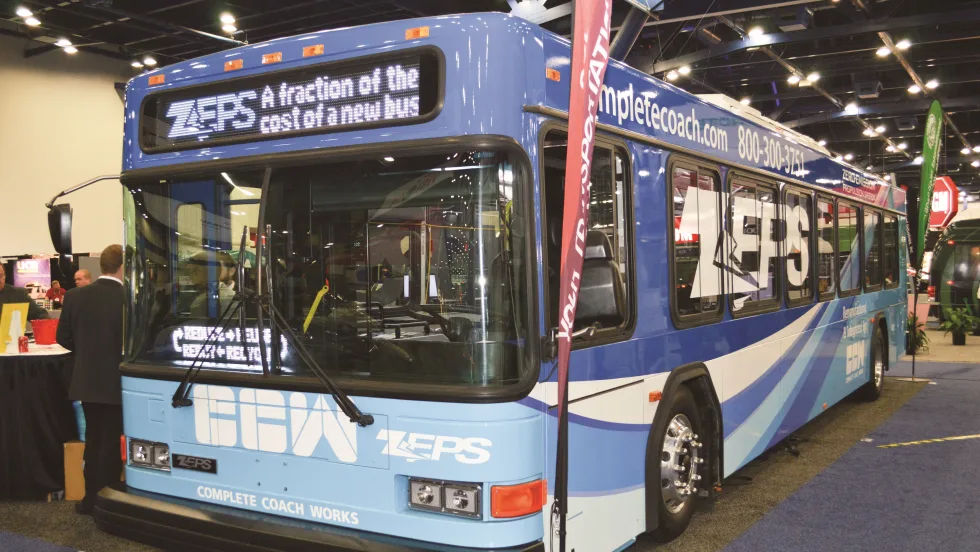




CCW’s all-electric transit bus powered by Zero Emission Propulsion System (ZEPS) uses advanced lithium-ion batteries and a liquid-cooled drive system to provide fuel and maintenance cost savings.
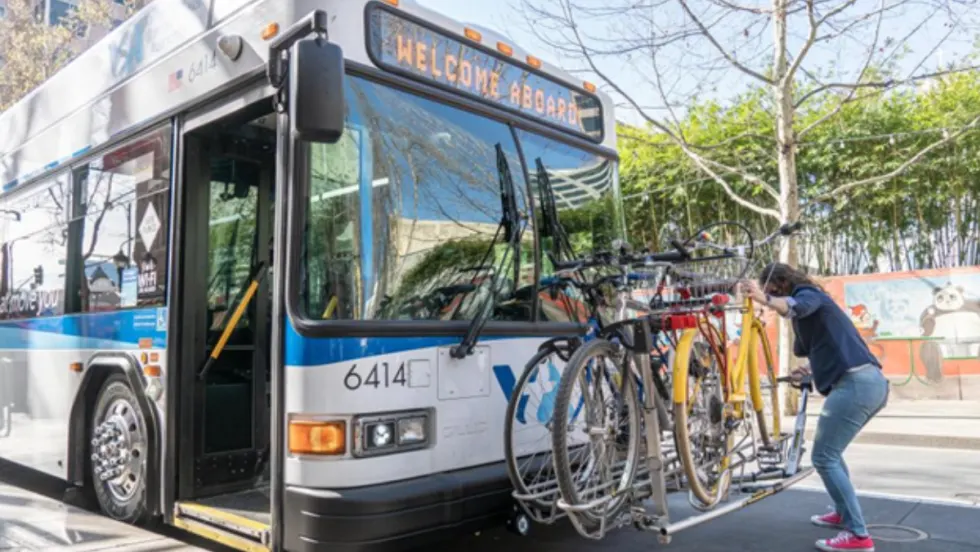
Read More →See how bike-on-bus data is giving transit agencies new insight into rider demand, capacity constraints, and gaps in first- and last-mile connections.
Read More →Authorities also limited car use for public employees, closed 360 parking lots, and reduced construction work on government-funded projects.
Read More →The Metropolitan Atlanta Rapid Transit Authority reported a big rush hour jump in passengers on its northern rail lines Monday morning, up 50% to 73% as many commuters sought to avoid the highways altogether.
Read More →The THUD appropriations bill educes total funding for public transportation by $457 million compared to the FY 2019 enacted levels.
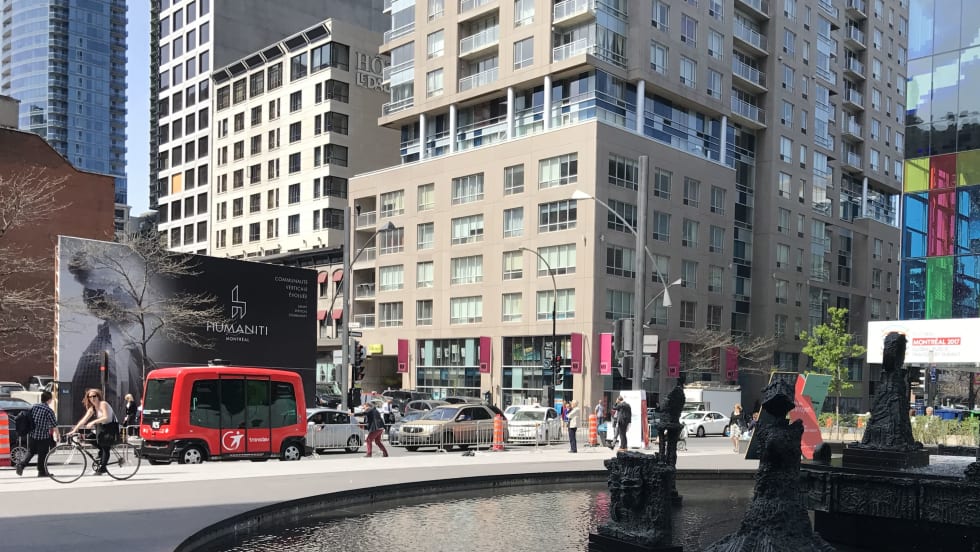
Read More →To remain relevant, transit agencies must have a vision for the future, including the role that driverless technology will play.
Read More →The use of personal vehicles will be discouraged. Detailed reimbursement forms will include beginning and ending odometer readings listing all locations visited, along with a map that shows miles traveled.
Read More →“I Move NY” campaign aimed at raising awareness of people moving the region every day shows worker profiles on thousands of bus and subway screens.
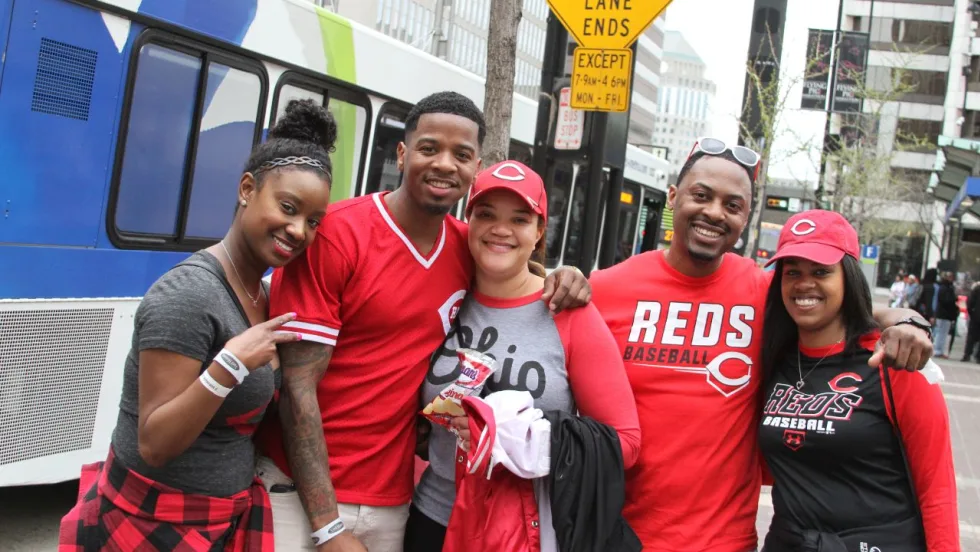
Read More →From Southern California to Cincinnati to New York, agencies around the nation are once again stepping up to serve sports fans, making it easier to skip the traffic and get dropped off and picked up directly near the stadium.
Read More →