
Metro Magazine

 MENU
 SEARCHMENUSEARCH
Loading data...
The new code of conduct discourages disruptive behavior on the Valley’s 26-mile light rail line and empowers the transit agency to remove riders who engage in inappropriate or unsafe behavior.
Read More →


Known as AFC 2.0, the new system has a total program value, for capital and operating costs, of approximately $723 million, which includes operating costs through 2031.
Read More →The company collaborated with L & R Group of Companies to replace gas-powered shuttle buses at LAX with Zero Emission Utility Shuttles buses.
Read More →By paying attention to how it feels to arrive at, pass through, and use a transit facility, focused design strategies can complement traditional approaches by enhancing user perception of safety. While a station may be safe, according to statistics and incident reporting, ridership and patron satisfaction will still suffer if the station doesn’t feel safe.
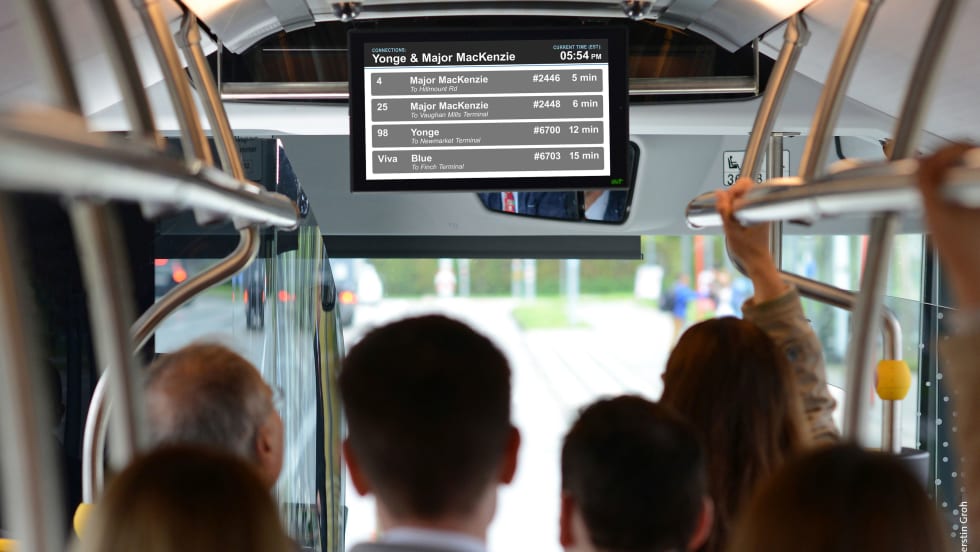
Read More →The displays will be installed on 88 buses in YRT’s existing fleet, and on more than 80 new buses to be added over the next three years.
Read More →The new order helps expand the zero-emission footprint of public transportation across California and adds sustainability to OCTA’s current fleet of just over 500 buses.
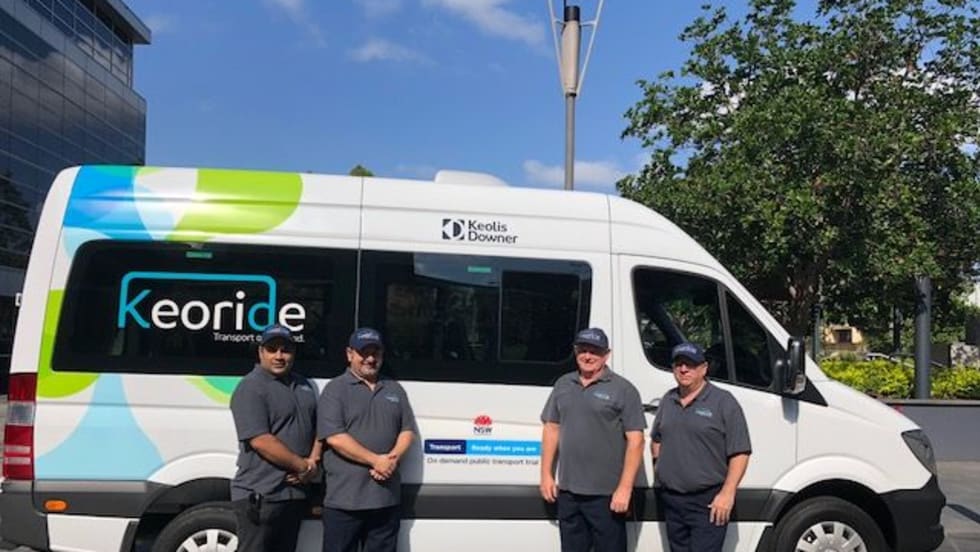
Read More →The service is operated by Keolis Downer, Keolis’ Australian subsidiary, and powered by Via, developer of shared-ride technology.
Read More →Provides efficient, cost-effective on-demand transit solutions that are far more flexible and dynamic than traditional fixed-route systems.
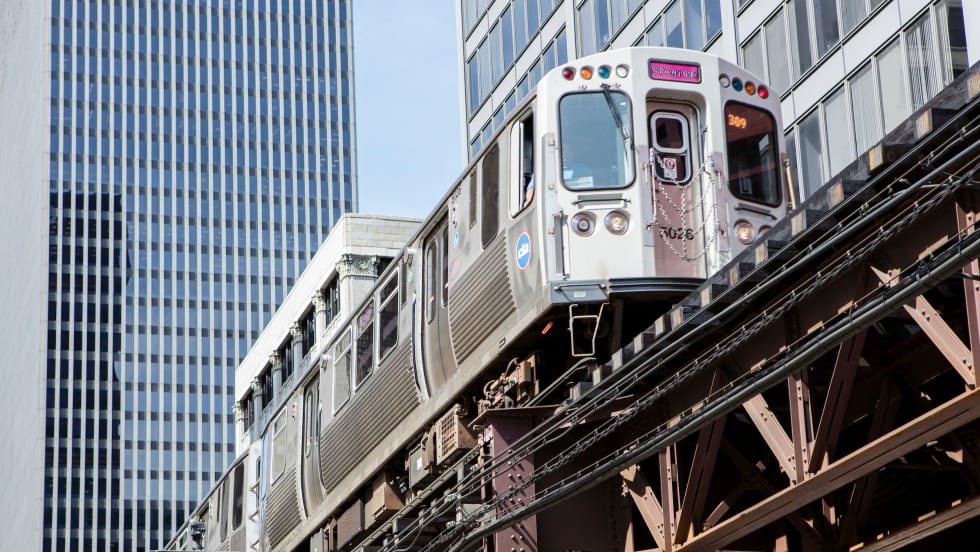
Read More →Study authors make recommendations including, integrating transit services and ride-sharing into the agency's Ventra fare app.
Read More →The buses will be among the first 60-foot battery-electric articulated buses put into service in the U.S.
Read More →