




RELATED: MTA campaign encourages offering pregnant, seniors and people with disabilities a seat
Valley Metro unveils new 'Respect the Ride' code of conduct
The new code of conduct discourages disruptive behavior on the Valley’s 26-mile light rail line and empowers the transit agency to remove riders who engage in inappropriate or unsafe behavior.
October 23, 2017
The new Valley Metro policy is supported by simple, easy-to read signs and clearly marked enforcement areas to strengthen the message of passenger safety.
2 min to read
The new Valley Metro policy is supported by simple, easy-to read signs and clearly marked enforcement areas to strengthen the message of passenger safety.
The Valley Metro Board of Directors unanimously approved a new “Respect the Ride” Code of Conduct to bolster safety and security while creating a positive rider experience.
The new code of conduct discourages disruptive behavior on the Valley’s 26-mile light rail line and empowers the transit agency to remove riders who engage in inappropriate or unsafe behavior.
“This code of conduct is focused on creating a safe and positive rider experience, while also discouraging disruptive, intrusive, unsafe or inappropriate behaviors in a public setting,” said Valley Metro Rail Board Chair and Mesa Councilmember Chris Glover. “Put simply, this new tool will allow us to crack down on bad behavior and enhance the rider experience.”
Valley Metro Rail Board Vice Chair, RPTA Board member and Phoenix Councilmember Thelda Williams said people “must ride with respect” as a way to support our community investment.
“By being proactive, we can set the tone for rider behavior going forward, especially as the system expands and new lines are added,” said Williams. “All fare-paying passengers have the right to enjoy a safe and comfortable ride.”
The new policy is supported by simple, easy-to read signs and clearly marked enforcement areas to strengthen the message of passenger safety. The signs are being installed later this month through December.
The code of conduct specifically prohibits:
Loitering, soliciting, smoking, food and drinks (not in spill-proof containers), along with other disruptive behaviors.
It also enforces Valley Metro’s destination-based transit system.
More Management
CATS Launches West Charlotte Microtransit Zone, Expands Transit Services
The new microtransit zone connects residents to key destinations as Charlotte Area Transit System rolls out the first phase of its 2055 Transit System Plan.
Read More →
VIA Bus Ridership Grows 10.1% Through August 2026
San Antonio's VIA Metropolitan Transit reported the highest bus ridership growth among major Texas transit systems. Federal Transit Administration data ranked it second among the nation's 50 largest transit systems.
Read More →
CSA Group Releases Climate Resilience Standard for Transit, Passenger Rail
Developed with support from the Standards Council of Canada, CSA D700 guides assessing climate-related risks and planning adaptation measures for transit and passenger rail systems.
Read More →
ETA CEO John Maglio on Transit Technology, Innovation, and Building Agency Trust
ETA founder and CEO John Maglio explores the evolution of transit technology, the importance of reliable systems, and how stronger partnerships can help agencies improve operations and the passenger experience.
Read More →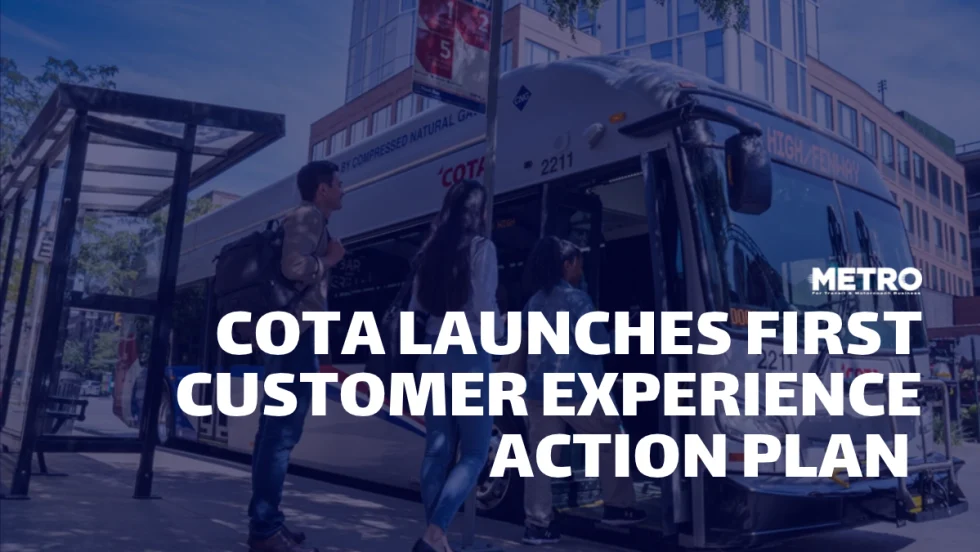
COTA Launches First Customer Experience Action Plan to Improve Transit Service
The new plan outlines improvements to service reliability, accessibility, communication, and the overall rider experience across Central Ohio's transit system.
Read More →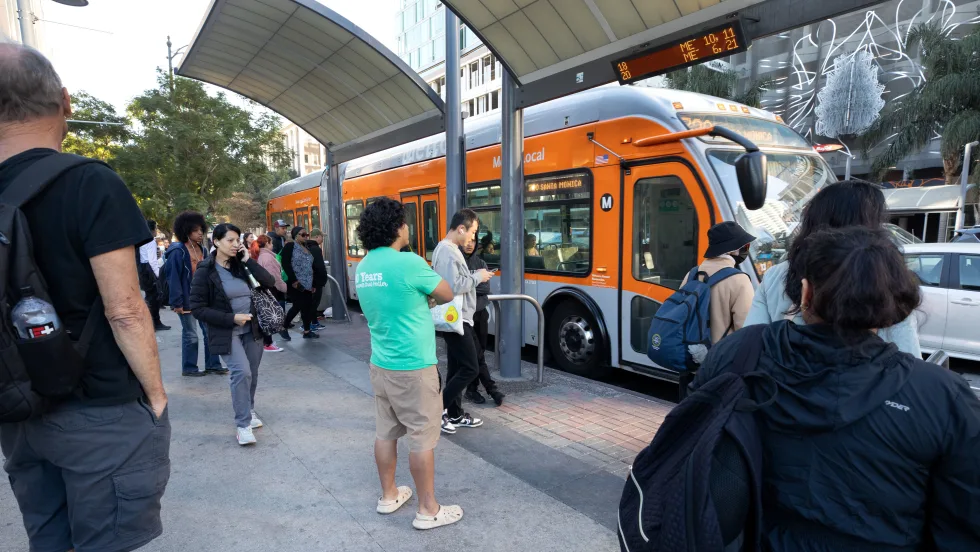
LA Metro September Ridership Climbs 3.9%, Led by Rail Growth
The agency recorded more than 27.2 million boardings, with rail ridership increasing 12.4% year over year and the D Line posting the largest gains.
Read More →
Utilimarc Launches SmartReplace to Optimize Fleet Replacement Decisions
AI-powered SmartReplace helps fleets prioritize vehicle replacements, model budget scenarios, and build more defensible long-term strategies.
Read More →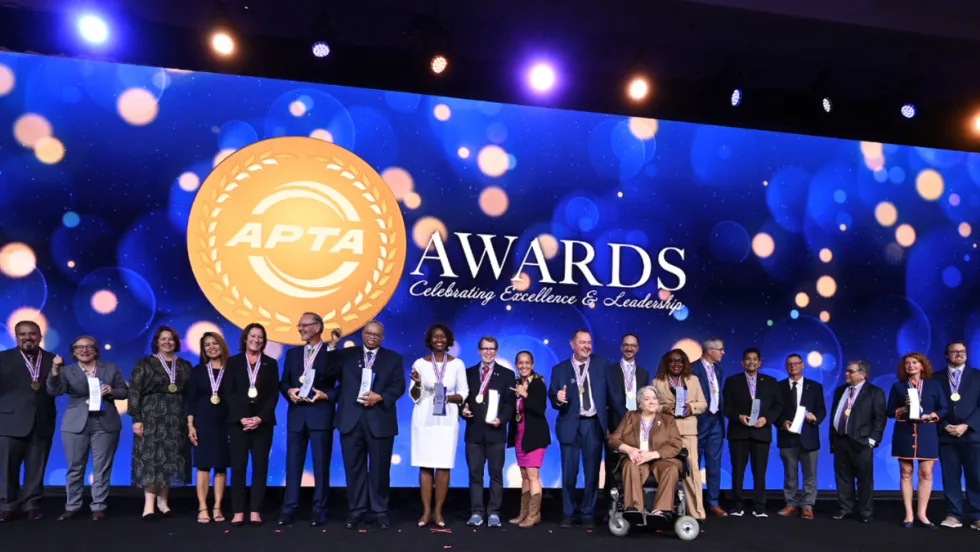
APTA Honors 2026 Award Winners, Hall of Fame Inductees at TRANSform & EXPO
Innovations in autonomous and zero-emission transportation, standout transit systems, and industry leadership took center stage among this year's honorees.
Read More →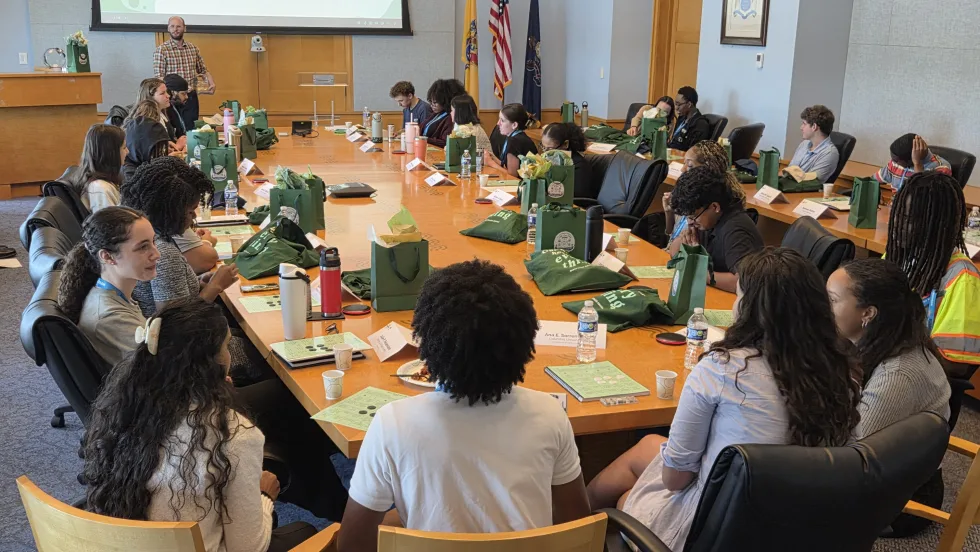
7 Ways to Build a Better Transit Internship Program
Lessons from DRPA/PATCO’s approach to creating a meaningful internship experience—and developing the next generation of transportation professionals.
Read More →
Scenes from APTA TRANSform & EXPO 2026
Transit leaders, manufacturers, and industry professionals gathered in Chicago to explore new technologies, share ideas, and discuss the future of public transportation.
Read More →