
Metro Magazine

 MENU
MENU SEARCHMENUSEARCH
Loading data...

As a result of multiple trends and life shaping events, such as the COVID pandemic, the way we live, work, and spend leisure time has been forever changed in our urbanized settlements.
Read More →

Sharp design elements, a custom font, and a bold tagline — Power Onward — demonstrate the company’s commitment to being an industry leader in the next era of smarter, cleaner power.
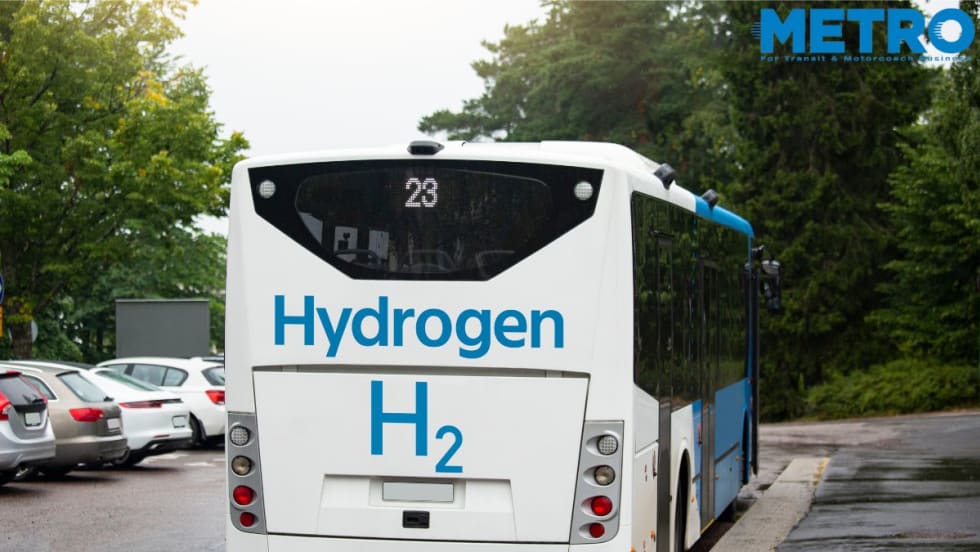
Read More →The plan to add hydrogen fuel-cell buses reflects Metro’s goal to be a sustainability leader and has the potential to benefit riders, reduce local air pollution, and help tackle global climate change.
Read More →FTA’s Pilot Program for Transit-Oriented Development Planning supports local planning and investment near transit hubs to promote sustainable, livable, and equitable communities, with a focus on projects that plan for affordable housing.
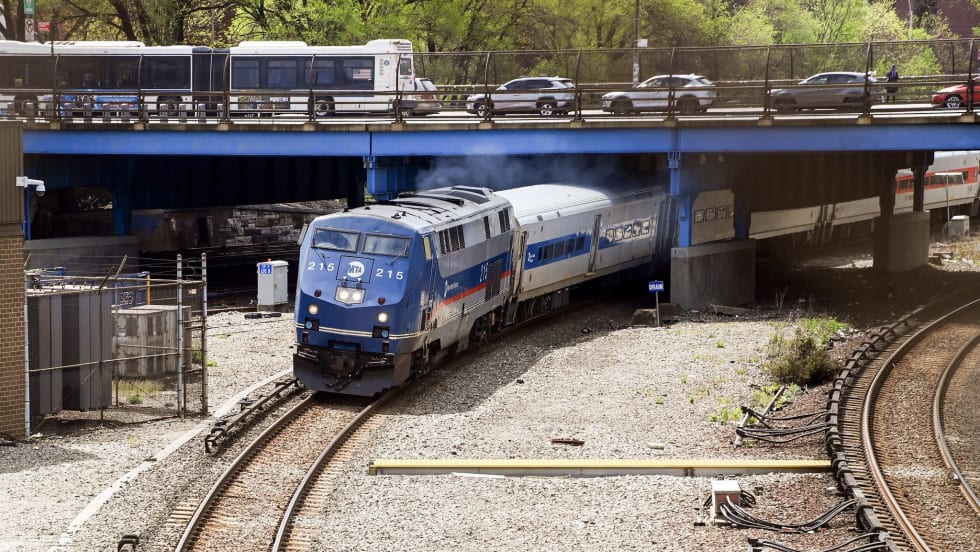
Read More →Developed in response to the demonstrated and urgent need to address climate-related threats, the roadmap underscores the MTA’s commitment to ensure reliability and safety in the transit system for generations of New Yorkers to come.
Read More →With the retirement of the diesel buses, the authority transitions to a fleet comprised entirely of state-of-the-art electric and hybrid models.
Read More →In accordance with NJ TRANSIT’s 10-Year Strategic Plan, “NJT2030,” the Sustainability Plan prioritizes environmental responsibility while also highlighting deliverable benefits to customers in the communities it serves.
Read More →The fleet enhancements are at the forefront of Metro's sustainability efforts, which reflect a continued strategy toward greener, more efficient transit operations.
Read More →The agencies participate in FTA's Sustainable Transit for a Healthy Planet Climate Challenge, which encourages transit leaders to take bold actions and prioritize investments to help tackle the climate crisis.
Read More →The planned partnership builds on recent coordination related to WMATA's FY 2025 financial challenges. It also provides an opportunity for the region to act with urgency to fully address complex, long-term transit needs.
Read More →