Developed in response to the demonstrated and urgent need to address climate-related threats, the roadmap underscores the MTA’s commitment to ensure reliability and safety in the transit system for generations of New Yorkers to come.
The Climate Resilience Roadmap is comprised of a Climate Vulnerability Assessment and 10 core climate resilience goals targeted to address the magnitude of climate threats facing MTA infrastructure.
Developed in response to the demonstrated and urgent need to address climate-related threats, the roadmap underscores the MTA’s commitment to ensure reliability and safety in the transit system for generations of New Yorkers to come.
Ad Loading...
MTA’s Climate Resilience Roadmap
The Climate Resilience Roadmap is comprised of a Climate Vulnerability Assessment and 10 core climate resilience goals targeted to address the magnitude of climate threats facing MTA infrastructure.
Importantly, it includes a multi-pronged implementation framework consisting of capital plan integration, resilient design practices, proactive operating actions, and better coordination between partner agencies.
“Transit is the antidote to climate change, which is why we have to preserve and improve New York’s amazing subway, bus, and commuter rail systems,” said Janno Lieber, MTA chair and CEO. “But our transit system is still vulnerable to the effects of climate change, so we need to execute on this visionary resiliency plan, which has been designed to ensure the reliability and safety of New York’s transit system for years to come.”
Key strategies and actions in the Resilience Roadmap include defending the subway system from flooding, reducing coastal and rainfall flooding on Metro-North Railroad and Long Island Rail Road, and protecting infrastructure from extreme heat.
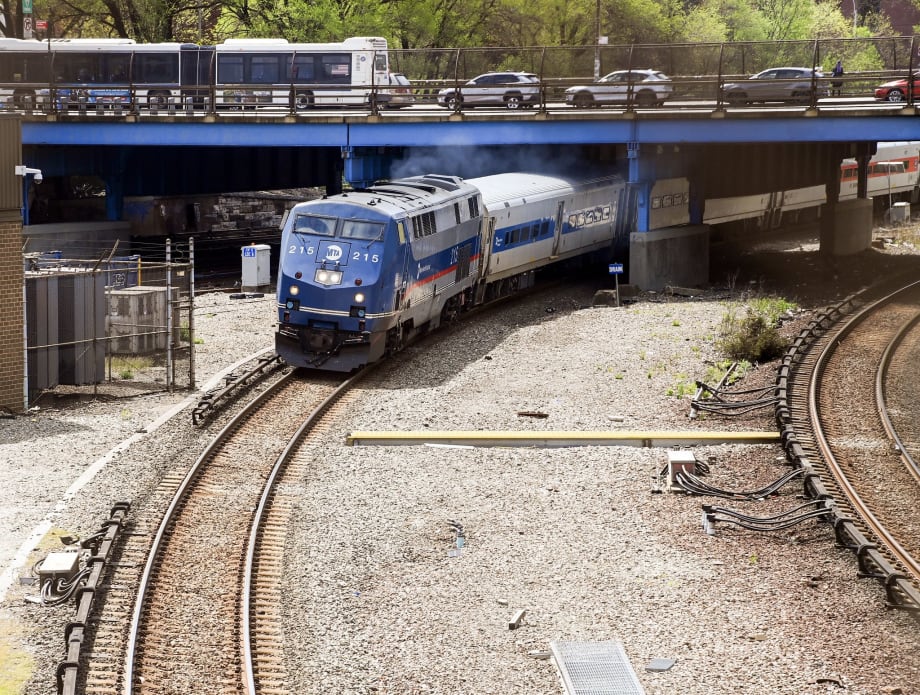
Photo: Marc A. Hermann
The Roadmap
Key strategies and actions in the Resilience Roadmap include defending the subway system from flooding, reducing coastal and rainfall flooding on Metro-North Railroad and Long Island Rail Road, and protecting infrastructure from extreme heat. The capital costs associated with this work are estimated to be as much as $6 billion over the next decade.
Necessary interventions to safeguard the transit system include:
Ad Loading...
Shielding subways from torrential rain by installing mitigations like raised steps and elevated street vents to prevent stormwater from entering the subway system.
Investing in subway drainage and pumping equipment to remove stormwater that does enter the system.
Protecting subway yards and bus depots by elevating sensitive equipment above anticipated flood depths in areas that must remain operational during weather-related emergencies.
Addressing heat impacts on bridges by continuing existing efforts to protect metallic components from expansion due to prolonged heat exposure.
Advancing proactive measures to reduce the impacts of monthly tidal floods and rain on regional railroad infrastructure exacerbated by climate change-induced sea level rise.
The Climate Resilience Roadmap follows the release of the 20-Year Needs Assessment in October 2023, the most rigorous and transparent assessment of the MTA system to date, outlining the MTA’s region’s needs for the next generation. It provides a blueprint to strengthen and expand the system, while improving reliability and resilience.
Contract Four is the largest in the Second Avenue Subway Phase 2 project and includes construction of station infrastructure, tracks, and signals for the subway expansion, MTA officials said. Work on Contract Four will begin in 2027.
The new regional transit authority appointed its first board chair and interim executive director while extending reduced fares across CTA, Metra, and Pace for eligible riders.
Reliability-Centered Maintenance helps transit agencies move beyond routine checklists to focus limited resources on the assets and failures that have the greatest impact on safety, reliability, and service.
The 90-day demonstration will deploy coordinated security teams at five light rail stations while testing controlled access and gathering data to guide future investments.
Learn about delivering 1300 gates at 91 stations while managing fare evasion. Explore the large scale deployment, solution customization and real-world results that affect the region. Prepare for deployment in your region now.
Between packed transit stations and team motorcoaches, see how agencies and operators across North America tackled the transportation demands of the 2026 FIFA World Cup.
The stopgap keeps federal transportation programs moving, but missing advance funding could complicate the transit and rail projects agencies are planning next.