
Metro Magazine

 MENU
MENU SEARCHMENUSEARCH
Loading data...

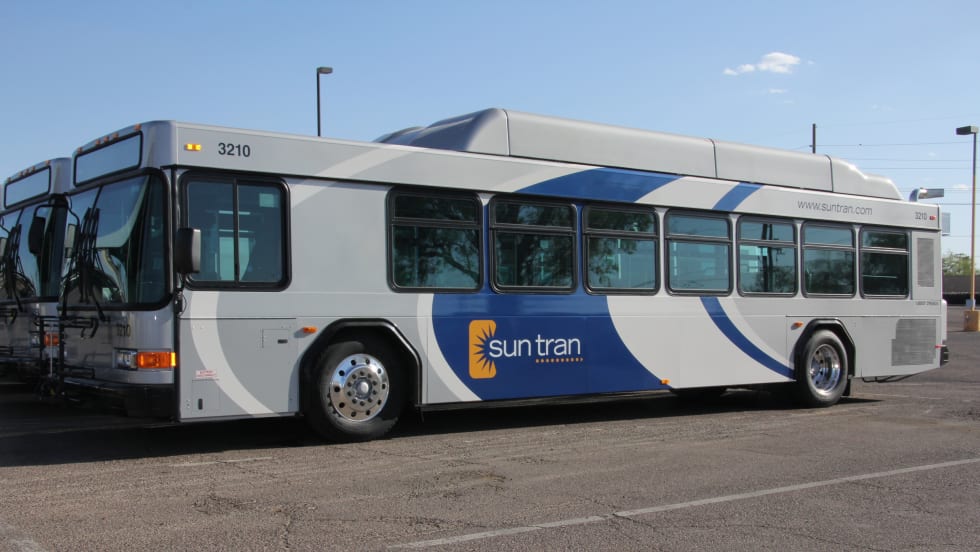
Switching our bus fleet to compressed natural gas from liquefied natural gas and diesel was a carefully weighed decision at DART. But in the end, it was a no-brainer: go with the fuel source that will promote clean air while saving taxpayers $120 million in fuel costs over the next 10 years.
Read More →

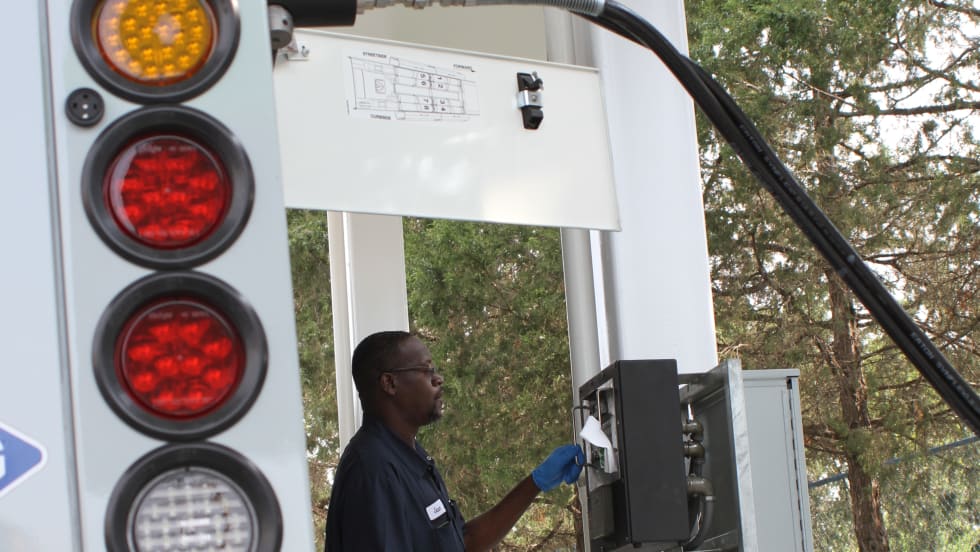

During his 19-year tenure, CATA became one of the first transit agencies on the East Coast to operate a 100% CNG bus fleet.
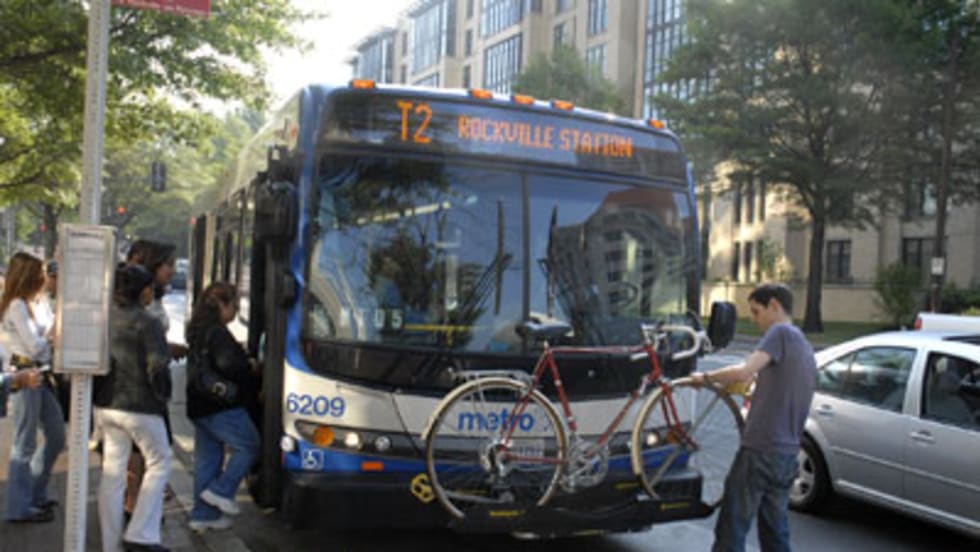
Read More →The new Gillig buses are low-floor, offering ramps and kneeling features for the convenient boarding of passengers with disabilities, as well as an on-board camera system for added passenger safety.
Read More →Other targets set by the new initiative include increasing Metro ridership 25% by 2025; increasing greenhouse gas displacement by 10% by 2025; and reducing water use per vehicle mile by 20% by 2025.
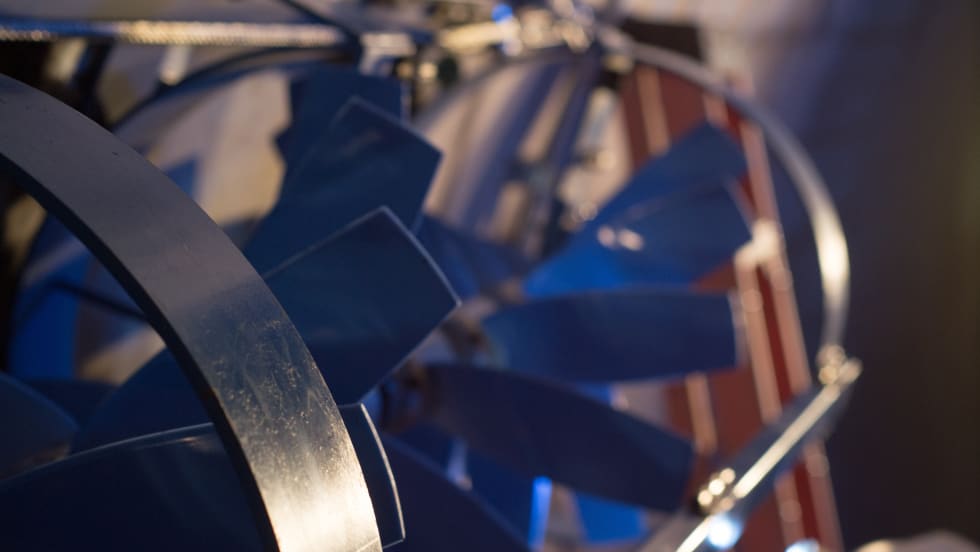
Read More →It is projected that the 10-foot airflow equipment could generate more than 28,000 kWh per year – enough to power about 12 homes in California for one year, or turn out approximately $6,000 per year in electrical production.
Read More →Transit agencies increasingly want third-party validation of their sustainability efforts. They understand that to make improvements, they need to measure what they’re doing. And, that takes special skills and a trained eye. But, finding just the right fit between an agency and an outside advisor/auditor can be challenge.
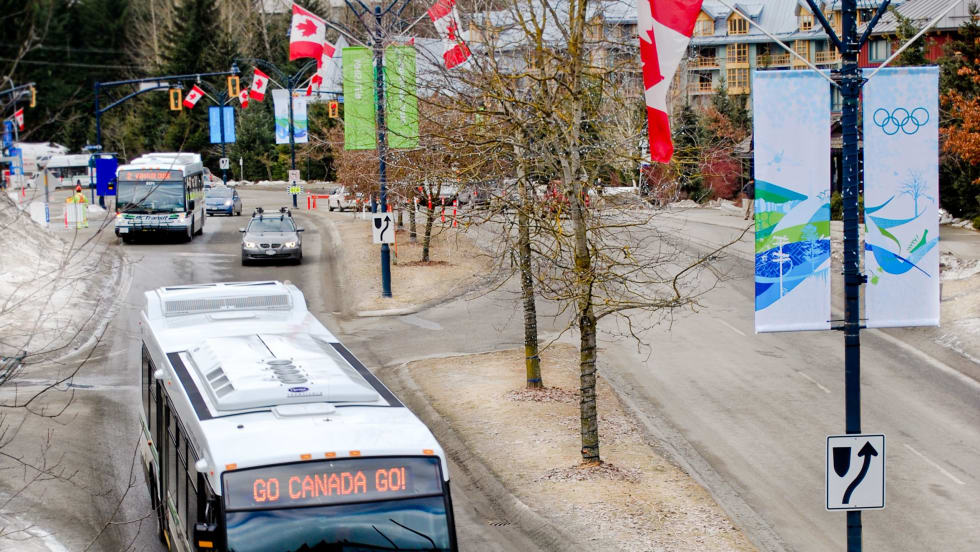
Read More →Four years after being unveiled for the Winter Olympics, the 20 buses will be replaced with diesel buses, which will be an estimated $2.5 million cheaper to run over the course of a year.
Read More →Within three years, the agency is expected to use approximately 700,000 diesel gallon equivalents of CNG per year, which reduces greenhouse gases by 1,622 metric tons per year, the equivalent of taking 335 cars off the road per year.
Read More →Finance Minister Charles Sousa said there is a pent-up demand among ecologically minded investors for these bonds, which he hopes will enable the government to pay a lower interest rate than they do on conventional bonds, according to the report.
Read More →Buses fueled by natural gas would be the lowest-cost option for CityBus in a 15-year project that examined expenses of buying buses, maintaining them and keeping them fueled. The diesel-electric hybrid would be the costliest.
Read More →