
Metro Magazine

 MENU
 SEARCHMENUSEARCH
Loading data...

A train traveling at 55 miles per hour can take approximately one mile, or the length of about 18 football fields to stop.
Read More →




The railroad has seen a dramatic decline in demand for service since the pandemic, and is expecting ridership to only return to approximately 50% in FY 2021.
Read More →Transportation experts have said the PTC braking system would have prevented the fatal Amtrak derailment in Philadelphia earlier this year. The system was also put into place between Philadelphia to Washington, D.C. the previous week.
Read More →While this work was estimated to take approximately two years, Amtrak developed an accelerated approach that expedited the project with a combination of single and full track outages, improving work efficiencies, and reducing the duration of the project.
Read More →In a Delivery Partner model, the private partner shares Amtrak’s risk to deliver the program and is incentivized to help Amtrak achieve overall Program outcomes.
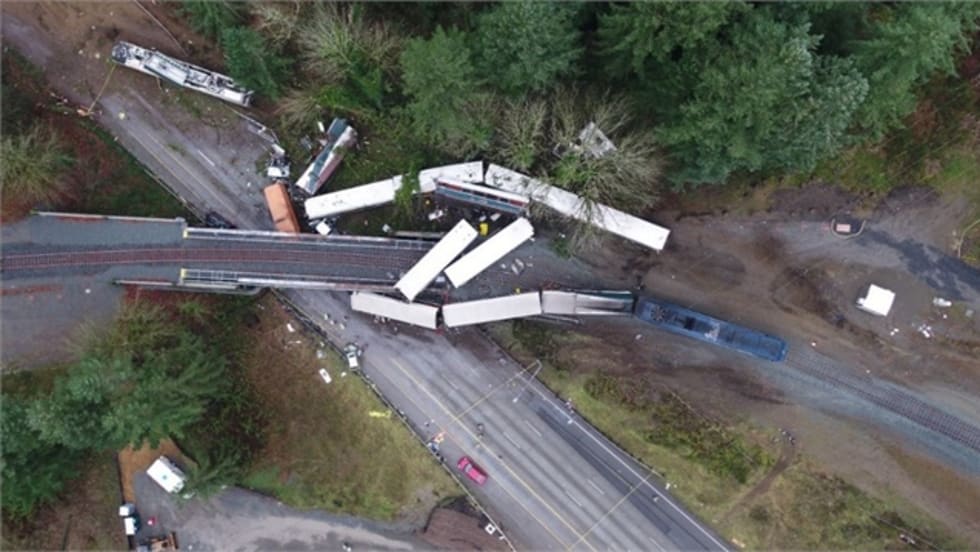
Read More →In December 2017, Amtrak Cascades train 501 derailed on an overpass as it entered a 30-mph curve at approximately 78 mph.
Read More →Following a letter sent by Gov. Hochul and others earlier this month urging Amtrak to take action, the railroad — in consultation with the New York State Department of Transportation — has agreed to restore nearly all of the trains that had been temporarily suspended in previously announced service modifications.
Read More →The new bus and train hub includes a 32,000 square-foot building that will be a center for local and regional buses as well as passenger rail, taxi and shuttle service.
Read More →Executive Order 8 addresses Illinois’ fiscal crisis by recommending that state agencies require employees, whenever possible, to take public transportation or carpool when traveling. The state hopes this action will reduce travel reimbursements in gas money.
Read More →The goal of the exchange is to solidify a security partnership, share lessons learned and best policing methods to protect rail passengers and systems on both sides of the Atlantic.
Read More →