



DART joins human trafficking prevention movement
It is estimated that more than 20 million men, women and children around the world are victims of human trafficking with the U.S. a source, transit and destination country.



Dallas Area Rapid Transit (DART) is spearheading local awareness efforts on human trafficking during January’s National Slavery and Human Trafficking Prevention Month. The agency is part of a regional coalition of transportation entities working together to raise public awareness on how to recognize and report potential trafficking.
The coalition seeks to highlight the problem of human trafficking with informational materials such as brochures and posters in both Spanish and English on hundreds of buses and trains, and through the education and training of employees. DART vehicles are displaying some of the posters.
The current regional partnership includes DART, Greyhound, Amtrak, The Denton County Transportation Authority (DCTA), The Fort Worth Transportation Authority (The T), Megabus, and various social agencies and legislative advocacy groups.
RELATED:Human trafficking the focus of L.A. Metro program
It is estimated that more than 20 million men, women and children around the world are victims of human trafficking with the U.S. a source, transit and destination country. DART President/Executive Director Gary Thomas has signed the U.S. Department of Transportation’s Transportation Leaders Against Human Trafficking Pledge committing DART to addressing this important issue.
The pledge holds DART to be an industry leader, provide training and education, help develop policy, raise awareness among the travelling public and provide information sharing and analysis.
DART started in 2014 with police officer, fare enforcement officer, and bus and rail operator training to spot potential indicators of human trafficking and how to report it. With training of frontline employees complete, DART’s headquarter employees are scheduled to begin in early 2015. Additionally, traveler awareness and employee training programs at various transportation partners will take place through the year.
More Security and Safety
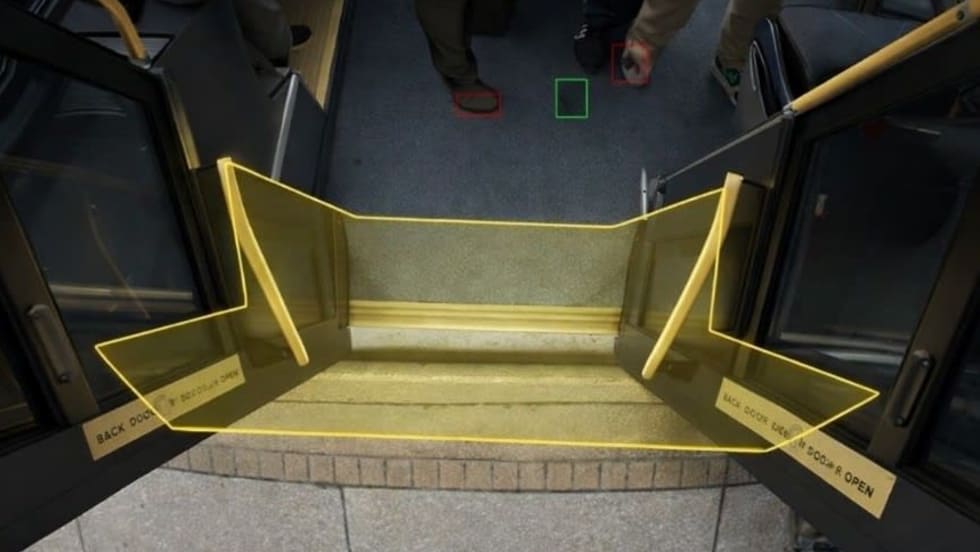
How VaporVision™ Adds Value to Transit Door Systems
Wabtec engineers explain how the system improves doorway detection, strengthens diagnostics and gives transit agencies and OEMs greater operating flexibility.
Read More →
FRA Announces $5.3B in Rail Investments, Including $2B for Amtrak
Funding will support grade-crossing improvements, infrastructure upgrades, and new Amtrak equipment in 23 states.
Read More →
Chicago, Maryland Expand Non-Law-Enforcement Safety, Rider Support
The CTA and MTA are launching new programs aimed at de-escalation, crisis response, rider assistance, and greater transparency.
Read More →

LA Metro, City of West Hollywood, and Partners Advance Smarter Bus Lane Enforcement
The award-winning partnership combines AI-powered detection with human oversight to improve bus reliability, accessibility, and enforcement efficiency.
Read More →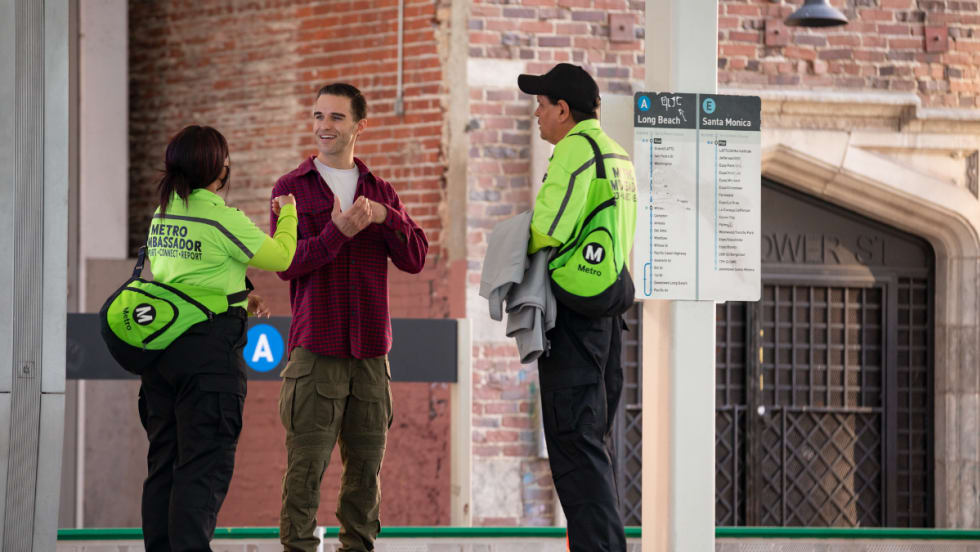
LA Metro Reports 57% Decline in Homelessness on Transit System Since 2024
The agency's latest homelessness count offers new data on how care-based services and cross-sector partnerships can complement traditional transit security strategies.
Read More →
FTA Launches 'Transit Moves America' Dashboard to Highlight Agency Safety and Performance
The online dashboard transforms National Transit Database information into a public-facing resource that allows users to compare transit agencies on key operational and safety metrics.
Read More →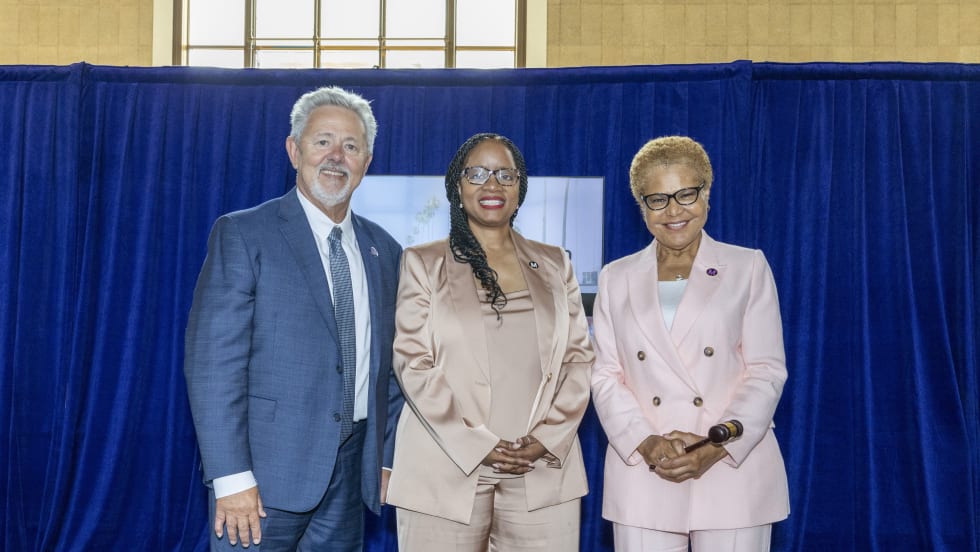
LA Metro Marks Banner Year, Sets Ambitious Goals for New Fiscal Year
Incoming LA Metro Board Chair and Los Angeles Mayor Karen Bass joined outgoing Board Chair Fernando Dutra and LA Metro CEO Stephanie Wiggins to review accomplishments from fiscal year 2026, which included the opening of new rail extensions, advancement of major transit projects, expanded safety programs, and new rider amenities.
Read More →
Building the Next Generation of Transit Technology
In this edition of METROspectives, Luminator CEO Magnus Friberg discusses the company's transformation, the growing role of AI and software, and what's next for transit technology.
Read More →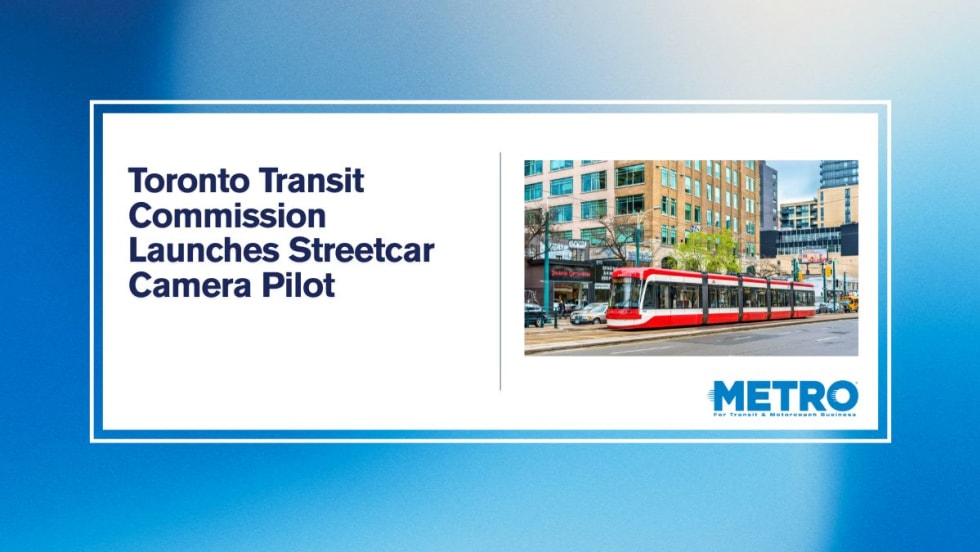
TTC Launches Camera Pilot to Curb Illegal Passing of Streetcars
During the pilot, the cameras will measure how often illegal streetcar passing occurs and test the technology's reliability for future automated enforcement.
Read More →
Biz Briefs: Masabi Teams with St. Louis Metro and More
In METRO's latest installment, we take a look at recent news from Transdev, Hitachi, and more partnerships making headlines across the transportation sector.
Read More →