
Metro Magazine

 MENU
MENU SEARCHMENUSEARCH
Expects up to 676 cars will be assembled at Kawasaki’s plant in Yonkers, N.Y., and anticipates up to 1,500 people will be employed in New York State.
Read More →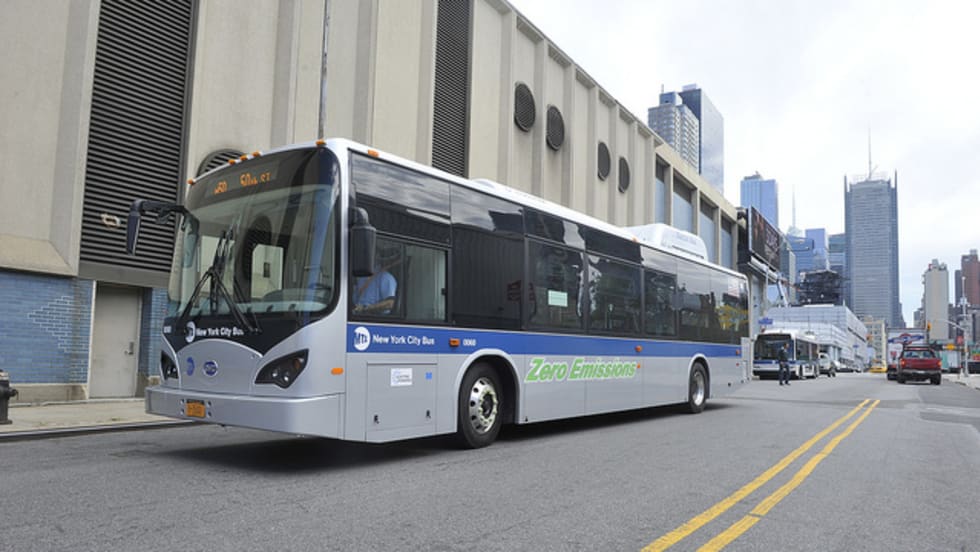
The test will determine if this type of bus can meet the twin challenges of operating in the stop-and-go traffic of Manhattan while maintaining high levels of passenger comfort and operational performance.
Read More →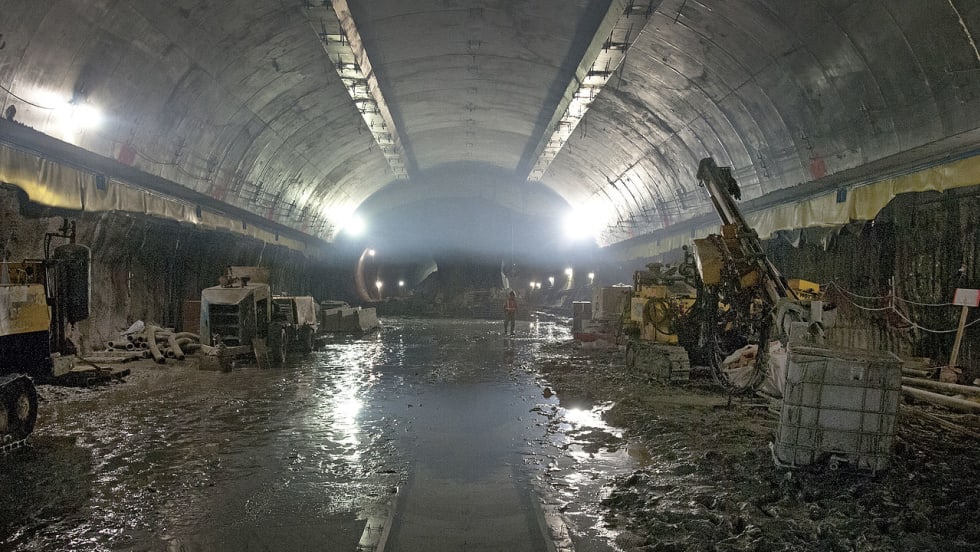
The contract, valued at more than $200,000, was awarded to Michels Corp. for work that will take place in the caverns and tunnels in the south segment of the future LIRR terminal below Grand Central.
Read More →Many have gaps greater than three inches between the platform and the train door. N.Y. MTA designers are working on options to mark disabled boarding areas and filling the gaps with higher platforms.
Read More →He has served as the MTA interim executive director since January 2013. He replaces Joseph Lhota.
Read More →During the past quarter-century, the manufacturer has sustained hundreds of jobs, while producing more than 2,500 railcars at its plant, which sits in the heart of the Northeast Corridor. Kawasaki is currently working on the next generation of the 7 line subway cars that will be supplied to New York City Transit.
Read More →Has served more than three years as president of MTA New York City Transit and as the MTA interim executive director since Jan. 1, 2013. He replaces Joseph Lhota.
Read More →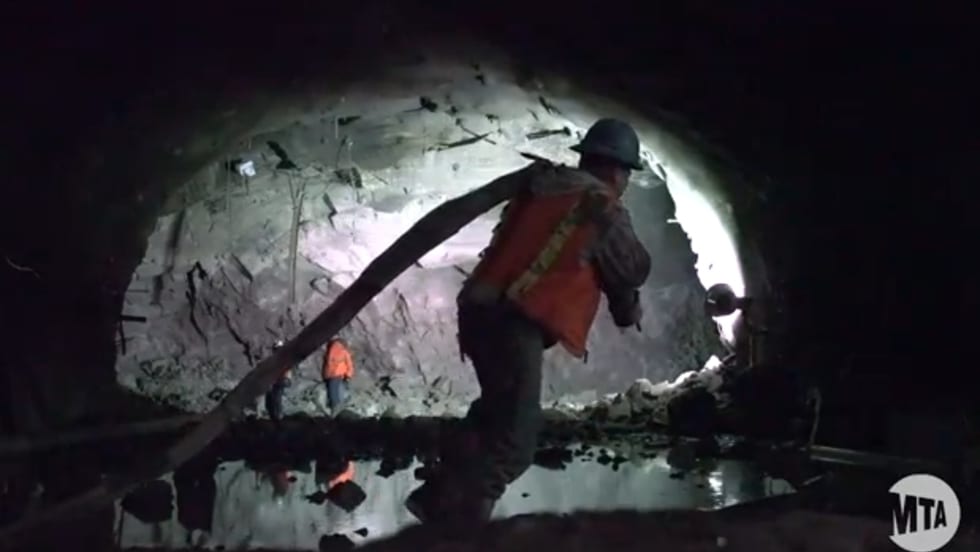
Since March 7, 2007, nearly 1,000 employees working 24 hours a day, five days a week, have completed more than 2,400 controlled blasts — all without affecting the nearby operations of MTA Metro-North Railroad or the New York City Subway.
Read More →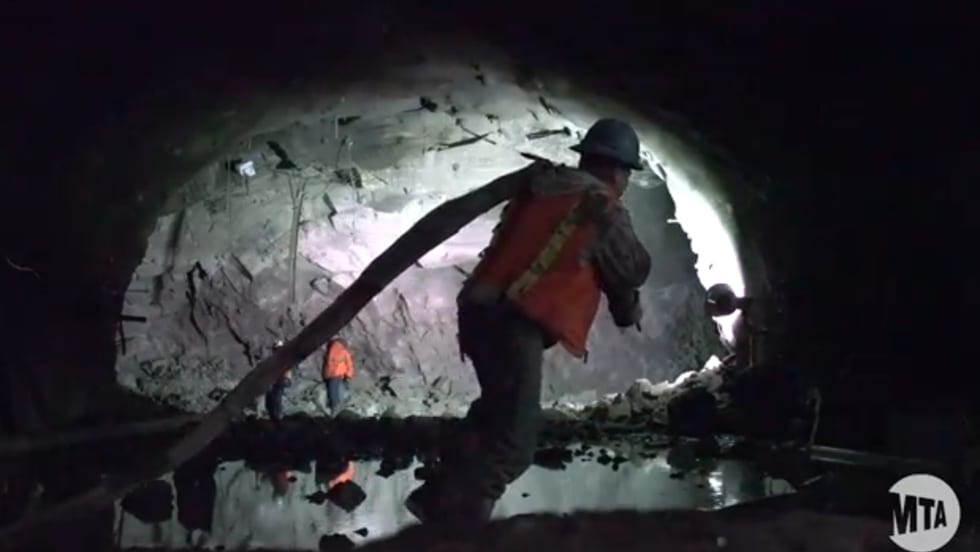
One of the last production blasts involved in mining the tunnels and station caverns of the East Side Access project, an effort that will bring MTA Long Island Rail Road trains into Grand Central for the first time.
Read More →New York City, Washington, D.C. and Salt Lake City users can now access live departure times on rail lines.
Read More →