



N.Y. MTA bridges home to new falcon chicks
Urban falcons like to nest atop bridges, church steeples and high-rise buildings because they provide an excellent vantage point for hunting prey, including pigeons and small birds.

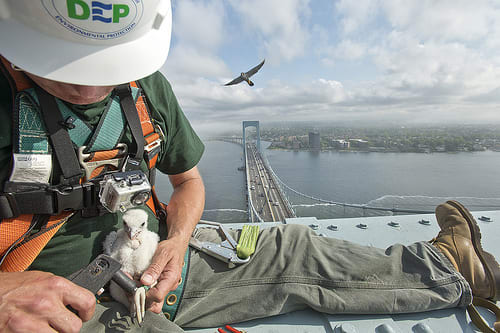
All photos courtesy MTA. MTA Photographers: Patrick Cashin or Throgs Neck Maintenance Superintendent Carlton Cyrus.

Seven new peregrine falcon chicks are living in their parents’ nesting boxes high atop three New York Metropolitan Transportation Authority (MTA) bridges.
The new chicks include four newly hatched peregrines at Marine Parkway-Gil Hodges Memorial, two at Throgs Neck and one at the Verrazano-Narrows. They hatched in early May and were recently banded by wildlife specialist Chris Nadareski, of the New York City Department of Environmental Protection’s Wildlife Studies division.
The DEP Wildlife division coordinates the city falcon program in cooperation with the State Department of Environmental Conservation. The MTA’s falcon couples and their new chicks are part of the nesting program that began in the city in 1983.
Peregrine falcons were nearly wiped out in the 1960s because of pesticides in their food supply, and remain on the State Department of Environmental Conservation’s endangered birds list. The Throgs Neck and Verrazano-Narrows were among the first two nesting spots chosen by peregrine couples, who mate for life and nest in the same spot each year.
“We provide the nesting boxes and give the DEP wildlife expert access to check the eggs and band them but our primary goal is to just let them be,” said Verrazano-Narrows Maintenance Superintendent Daniel Fortunato.
During mating season through the point where they learn to fly and leave the nest, maintenance workers limit any contact since the parents, particularly the mother, can be very aggressive. Other than providing the nesting boxes, there is no cost to the authority.
This year’s newest avian residents include:
• Leif, a male, was named for the Norwegian explorer Leif Ericson who is honored each May with at Bay Ridge’s Norwegian Constitution Day. There is also a park in Bay Ridge named for the explorer. Leif’s temporary home is atop the Verrazano’s 693-foot Brooklyn tower.
• Belle, a female, and Jake, Bennett and Gil, all males, were named for Belle Harbor, Jacob Riis Park, Floyd Bennett Field and baseball great Gil Hodges, whose name was added to the bridge in 1978. The falcon siblings currently call the Marine Parkway Bridge’s 215-foot Rockaway tower home.
• Skye and Baysie, two females, named for Fort Schuyler and Bayside can be found 360 feet atop the Bronx tower at the Throgs Neck Bridge.
Urban falcons like to nest atop bridges, church steeples and high-rise buildings because they provide an excellent vantage point for hunting prey, including pigeons and small birds.


More Bus

Biz Briefs: STV teams with Amtrak, Motorcoach Operators Boost Fleet and Land Contracts, and More
From manufacturers and suppliers to transit agencies and motorcoach operators, these updates offer a snapshot of the projects, partnerships and business moves driving the industry forward.
Read More →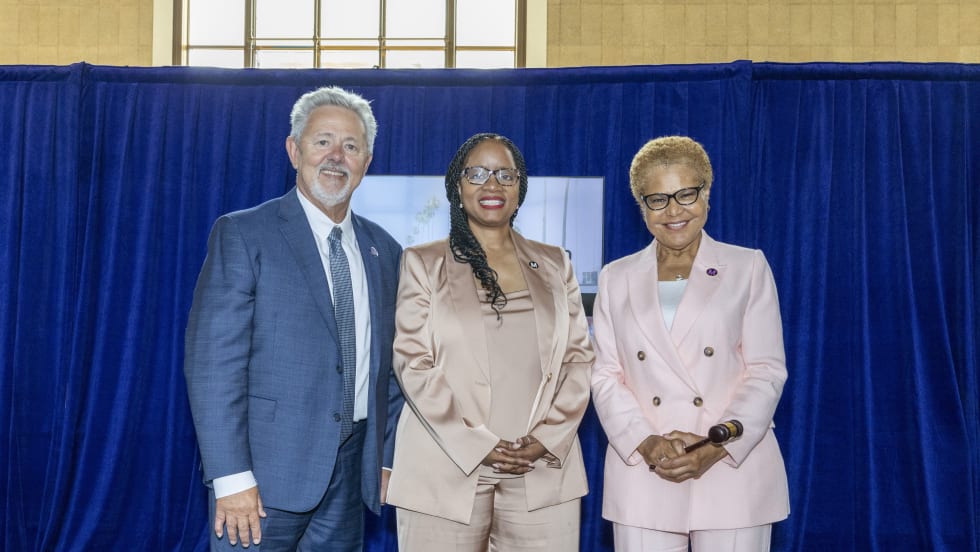
LA Metro Marks Banner Year, Sets Ambitious Goals for New Fiscal Year
Incoming LA Metro Board Chair and Los Angeles Mayor Karen Bass joined outgoing Board Chair Fernando Dutra and LA Metro CEO Stephanie Wiggins to review accomplishments from fiscal year 2026, which included the opening of new rail extensions, advancement of major transit projects, expanded safety programs, and new rider amenities.
Read More →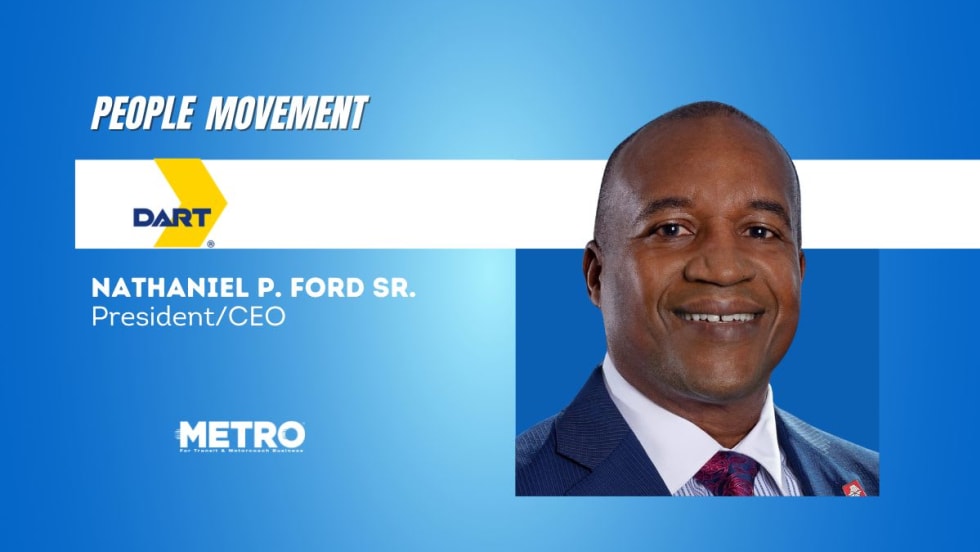
DART Taps Nathaniel P. Ford Sr. as Next President/CEO
Since 2012, Ford has served as the CEO of the Jacksonville Transportation Authority
Read More →
AC Transit’s Cecil Blandon on Building the Next Generation of Transit Maintenance Leaders
The agency’s maintenance chief discusses leadership, workforce development, zero-emission technology, and preparing technicians for the future of public transportation.
Read More →
Building the Next Generation of Transit Technology
In this edition of METROspectives, Luminator CEO Magnus Friberg discusses the company's transformation, the growing role of AI and software, and what's next for transit technology.
Read More →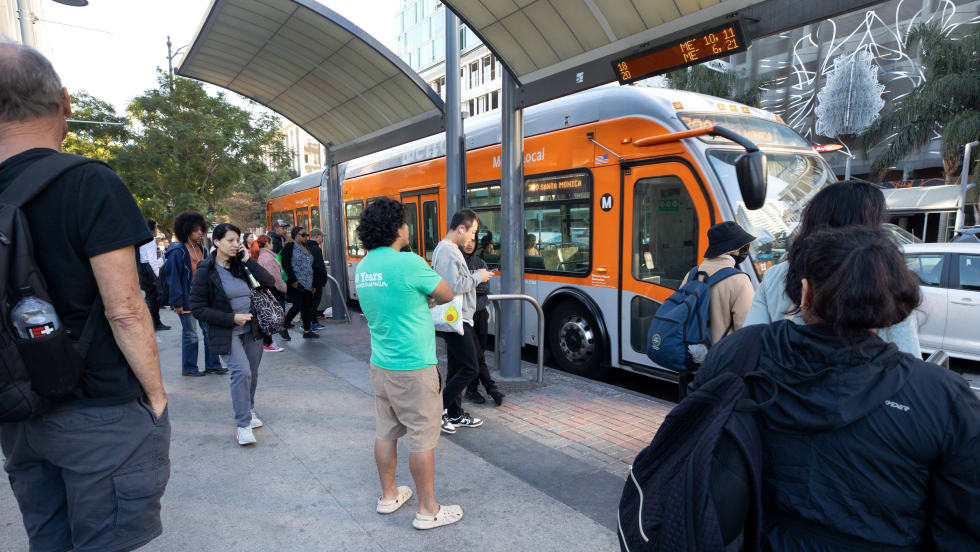
June LA Metro Ridership Surges 2 Million Year Over Year
Total June ridership increased for both weekdays and weekends. Weekday ridership was 953,820, which grew 8.4% from June 2025; Saturdays increased nearly 13% year-over-year to 708,826; and Sundays increased 7.7% to 611,534 from June 2025, according to LA Metro.
Read More →
Washington's Pierce Transit Board Sends Transit Funding Measure to November Ballot
With the adoption of Resolution 2026-006, the measure moves to the Pierce County Auditor, giving voters in the Pierce Transit service area the decision on whether to fund an expansion of local transit service within the agency’s service area.
Read More →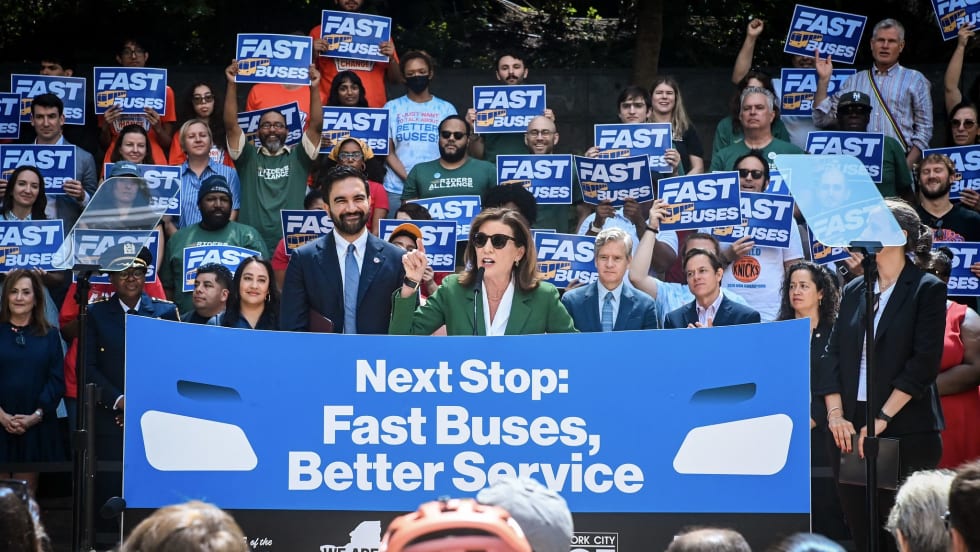
New York Unveils Sweeping Plan to Modernize City Bus Service
Next Stop: Fast Buses, Better Service identifies 50 priority bus corridors for improvements across the five boroughs and launches the City’s next generation of rapid bus service along five key routes.
Read More →
CTDOT Taps STV for Electric Bus Facility Design
The firm will work with CTDOT and RVT to define the facility layout, operational requirements, and long-term flexibility for RVT’s growing electric fleet.
Read More →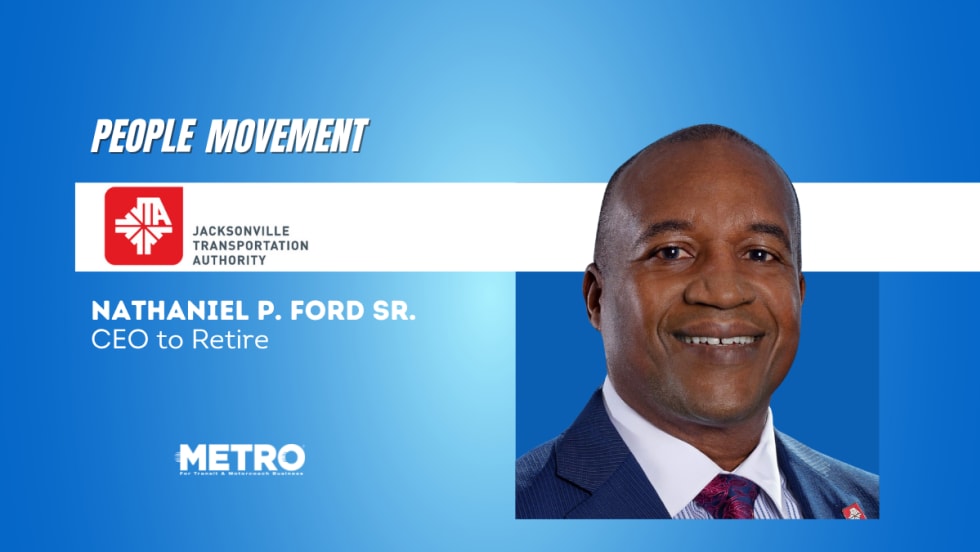
Ford to Leave JTA After More Than 10 Years as CEO
He plans to continue his work advancing innovative mobility solutions to improve the quality of life in communities across the nation. He did not announce specific plans.
Read More →