



N.Y. MTA allowing ads on MetroCards
To make the program more attractive, the MTA is opening up space on the fronts of the iconic cards for the first time, and is reducing advertising rates.

New York's Metropolitan Transportation Authority (MTA) announced it is relaunching its program that allows advertisers to buy space on MetroCards. To make the program more attractive, the MTA is opening up space on the fronts of the iconic cards for the first time and is reducing advertising rates.
Advertisers can now put their ads on the backs of MetroCards for just 18ȼ to 51ȼ per card, depending on the quantity of cards purchased. That works out to just $25,500 to $450,000. Advertising on the fronts of MetroCards would be offered at a premium.
“Millions of New Yorkers carry MetroCards with them everywhere they go, and use them multiple times a day,” said MTA Chairman Joseph J. Lhota. “For those with a message and a desire to reach millions of people in a novel, attention-getting way, there is no better way to advertise.”
This effort is the latest in a series of initiatives undertaken by the MTA to ensure it is receiving the maximum value it can from selling advertising space. Other efforts include expanding advertising to the exteriors of trains, full interior and exterior subway train advertising wraps, digital advertisements inside the subway system, digital moving images on subway station sidewalk entrances and more.
Ads on MetroCards that include an MTA or New York City Transit message will receive a discount of 20% on most rates.
The front of the MetroCard has remained virtually unaltered since the introduction of what was then known as MetroCard Gold on July 4, 1997. Advertising on the backs of MetroCards was first introduced in 1995. Ads on the backs or fronts of MetroCards can be printed in full-color.
More Bus
Biz Briefs: New Flyer Delivers in Columbus, Houston, Beep and Freebee Merge, and More
In this edition of Biz Briefs, we spotlight the latest developments shaping the future of mobility.
Read More →
People Movement: Dan Dipert Coaches Adds Third-Generation Leader, Keolis Names New Valley Metro VP/GM, and More
In this edition, we also cover recent appointments and announcements at the Wabtec, SilverRide, HNTB, and more, showcasing the individuals helping to shape the future of transportation.
Read More →
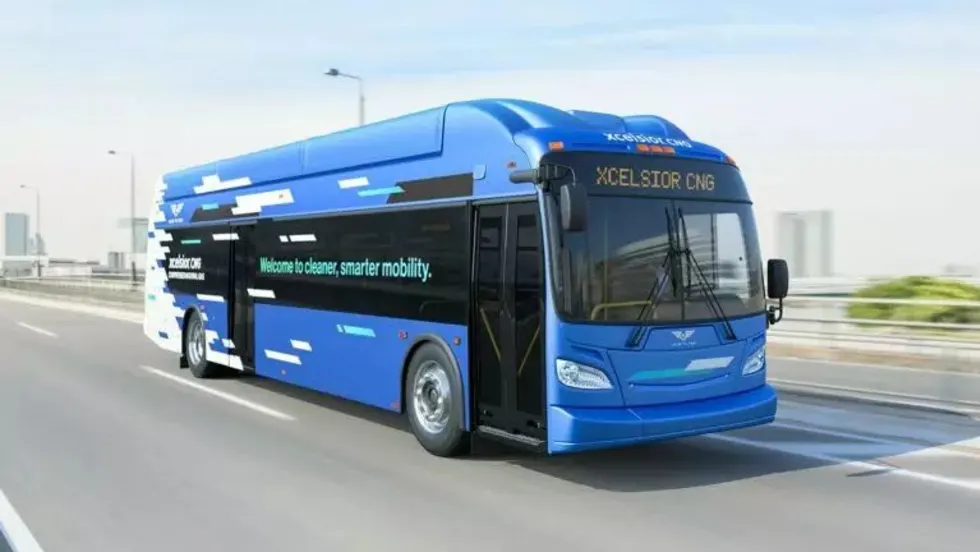
New York MTA Plans Largest Bus Fleet Upgrade in More Than a Decade
The agency is seeking manufacturers for 650 new CNG buses to replace aging vehicles, improve reliability, and advance its broader fleet modernization strategy.
Read More →
Building a Flexible Path to Transit Electrification
John Hroncich discusses BAE Systems’ modular and scalable approach, lessons learned from decades of real-world operations, and how agencies can identify electrification strategies that fit their fleets.
Read More →
Bus Tech Talk: Keeping Transit Technicians Ahead of the Technology Curve
LA Metro’s Obed Mejia discusses technician training, evolving maintenance technology, fleet replacement, and strategies for getting the most out of today’s transit fleets.
Read More →
Biz Briefs: RIPTA Unveils New Frontrunners, Clevland RTA Adds New Siemens, and More
In METRO's latest installment, we take a look at recent news from Siemens, Prevost, Dodge, and more partnerships making headlines across the transportation sector.
Read More →
People Movement: Holly Arnold Joins Transdev and More
In this edition, we also cover recent appointments and announcements at Pace, CamTran, MCI, and more, showcasing the individuals helping to shape the future of transportation.
Read More →
The High Cost of Transit Buses: Industry Leaders Look to Procurement Reform
Transit leaders and policymakers examine how standardized bus designs, streamlined procurement, and predictable funding could help agencies stretch budgets and deliver better service.
Read More →
The Business Voice Behind Public Transportation
As chair of APTA’s Business Members Board of Governors, Ray Melleady explains how more than 850 business members are partnering with transit agencies to advance funding, innovation, and industry-wide collaboration.
Read More →
From Surviving to Thriving: Building Stronger Transportation Organizations
Bus Business Consultants founder Brian Dickson shares lessons on leadership, organizational health, and creating options for long-term success in a changing transportation industry.
Read More →