
Metro Magazine

 MENU
 SEARCHMENUSEARCH
Loading data...
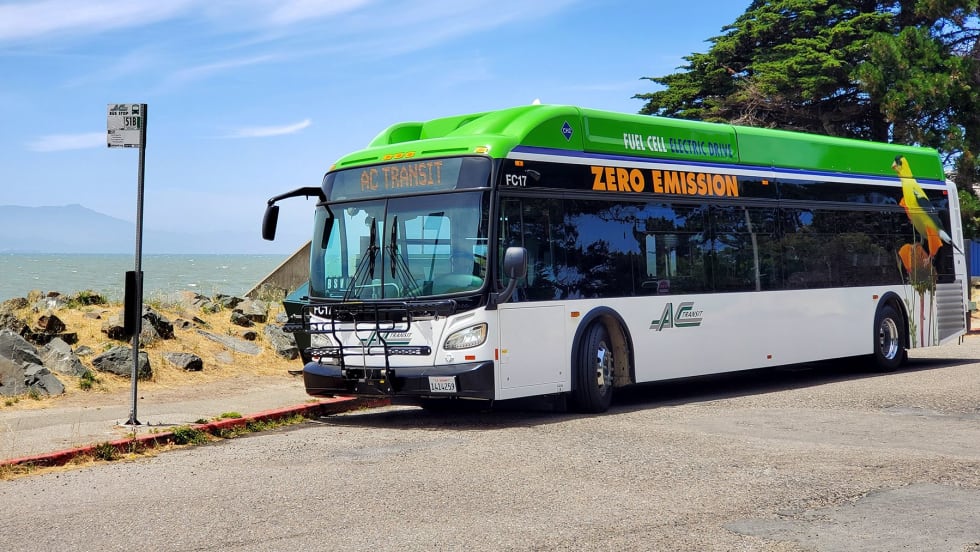
The State Auditor further concluded that while collaboration among transit agencies is functioning, the Bay Area’s public transportation systems face mounting structural fiscal pressures that threaten future service levels if sustainable funding solutions are not secured.
Read More →



Through this position Stantec plans to grow and launch smart mobility strategies, programs, and deployments.
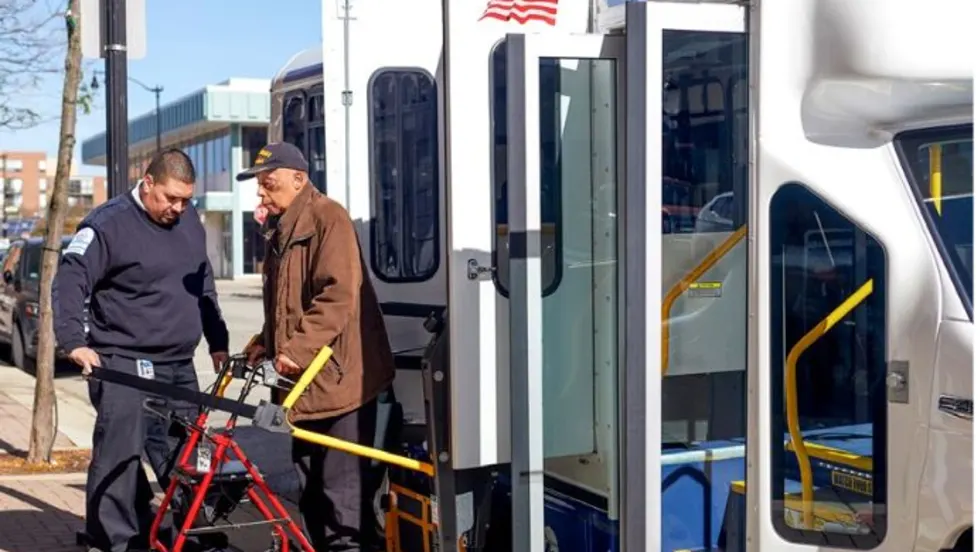
Read More →Access to reliable transportation ensures that older adults and people with disabilities living in rural areas are able to get the healthcare they need.
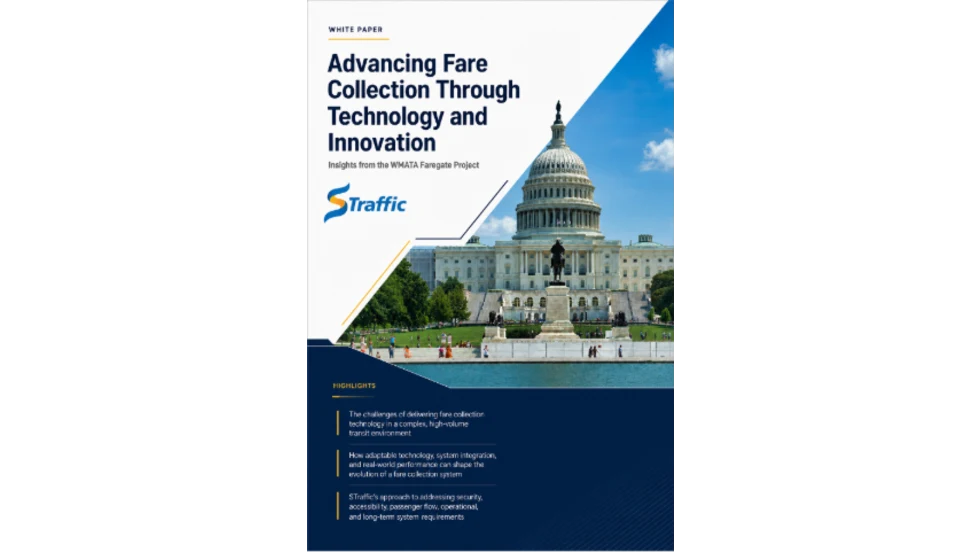
Read More →Learn about delivering 1300 gates at 91 stations while managing fare evasion. Explore the large scale deployment, solution customization and real-world results that affect the region. Prepare for deployment in your region now.
Read More →Only 3.6% of the TIGER grants that were recently announced went to public transit projects, representing a significant decrease in public transit TIGER grants.
Read More →The Pilot Program for TOD Planning helps support FTA’s mission of improving America’s communities through public transportation by providing funding to local communities to integrate land use and transportation planning with a new fixed-guideway or core-capacity transit capital investment.
Read More →“Be innovative and adapt” was the theme of Monday’s “Integrated and Innovative Mobility Management” session, as President/Executive Director of the Dallas Area Rapid Transit Gary Thomas led a three-person panel on the future of public transit.
Read More →Lippold is best known for his leadership as the commanding officer of the USS Cole, which came under attack by al Qaeda terrorists in the port of Aden, Yemen, in October 2000.
Read More →Potential benefits to the public transit system include capital cost and schedule savings, greater use of private sector innovation and technology, and the ability to finance all or part of the overall lifecycle costs of the project with private funds.
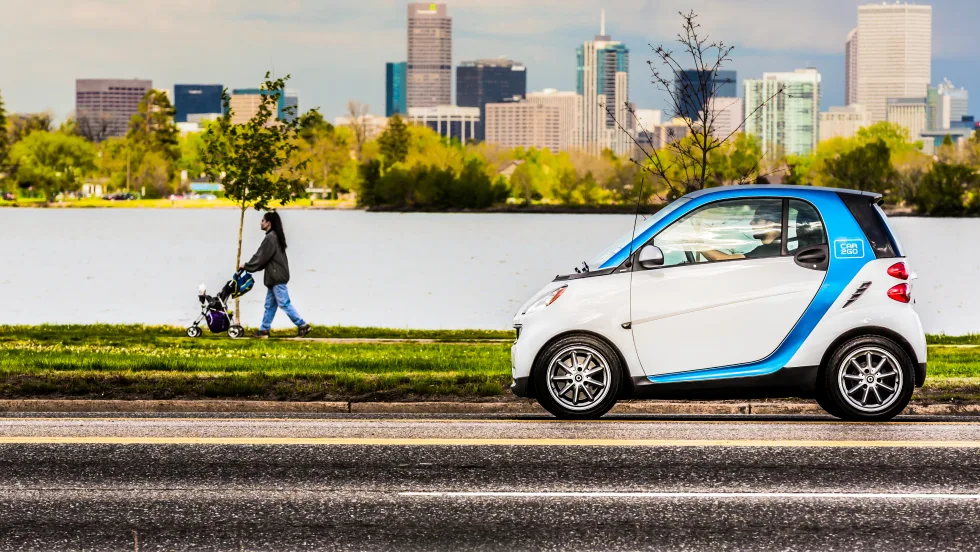
Read More →The recent rise of “mobility on demand” services like Uber and Zipcar has shifted society’s understanding of transportation systems and how they operate. Governments, advocates, and communities are responding by experimenting with their relationships to these services to ensure that on-demand options work with transportation networks to benefit public mobility.
Read More →