



Audit Finds Regional Coordination Across California's East Bay Transit Agencies
The State Auditor further concluded that while collaboration among transit agencies is functioning, the Bay Area’s public transportation systems face mounting structural fiscal pressures that threaten future service levels if sustainable funding solutions are not secured.

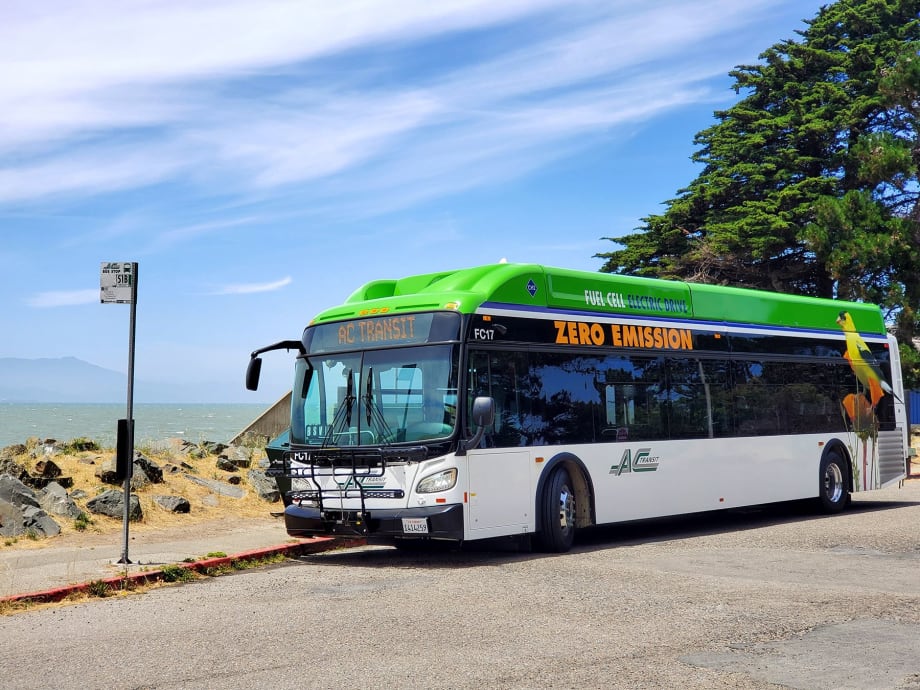
As part of the review, California’s State Auditor examined how well AC Transit, County Connection, Wheels, Tri Delta Transit, Union City Transit, and WestCAT work together, the financial pressures they face, and whether consolidating transit agencies would improve efficiency or reduce costs.
CTE/AC Transit
- The State Auditor has found that collaboration among transit agencies in California's East Bay region is operational.
- Bay Area public transportation systems are experiencing increasing structural fiscal pressures.
- Without sustainable funding solutions, future service levels of the transit systems are at risk.
*Summarized by AI
Oakland, California’s Alameda-Contra Costa Transit District (AC Transit) highlighted the findings of a newly completed state audit examining six East Bay transit agencies and the Metropolitan Transportation Commission (MTC), which concluded the agencies have established regional coordination efforts and outlined recommendations for additional collaboration.
The State Auditor further concluded that while collaboration among transit agencies is functioning, the Bay Area’s public transportation systems face mounting structural fiscal pressures that threaten future service levels if sustainable funding solutions are not secured.
The State Audit’s Findings
Commissioned by the Joint Legislative Audit Committee after a formal April 2025 request from State Senator Aisha Wahab, the audit was launched in response to concerns that East Bay transit systems were too fragmented, duplicated some services, created challenges for riders transferring between agencies, and faced long-term financial instability.
As part of the review, California’s State Auditor examined how well AC Transit, County Connection, Wheels, Tri Delta Transit, Union City Transit, and WestCAT work together, the financial pressures they face, and whether consolidating transit agencies would improve efficiency or reduce costs.
According to AC Transit officials, the findings make one point clear: East Bay transit agencies are already coordinating in meaningful ways. The greater challenge is not a lack of collaboration but the need for long-term, sustainable funding to ensure future service.
Among the audit’s most significant findings:
- Transit coordination across the East Bay is already strong: Auditors took 12 real-world commute trips that everyday riders could reasonably make across East Bay service areas, covering about 25% of routes that cross agency boundaries. They conclude that riders did not face significant barriers or major problems transferring between agencies.
- MTC regional integration initiatives continue to lag behind schedule: Although MTC has launched multiple initiatives intended to improve the rider experience across the Bay Area, auditors found that none of the nine reviewed initiatives were completed within their preliminary timelines. The finding raises concerns about the pace of regional transit modernization efforts.
- Five of the six transit agencies face serious fiscal risks: Apart from Tri Delta Transit, the selected East Bay transit agencies have adequate short-term financial reserves. However, all but Union City Transit are at risk of depleting those reserves without new funding — some as soon as fiscal year 2026–27. As a result, agencies may be forced to reduce service levels, further impacting mobility, economic access, and regional connectivity.
- Zero-emission bus mandates present major financial hurdles: Transit agencies reported significant concerns about the cost of purchasing and deploying zero-emission buses required under California mandates. The report identifies the transition as a growing operational and fiscal challenge for public transit providers.
- Transit agency consolidation is unlikely to solve financial problems: Auditors examined whether combining agencies could improve financial sustainability and found that consolidation alone would not resolve structural deficits. Combined agencies would still face negative unrestricted net positions and long-term financial pressures.
- Legal and labor-related barriers could complicate consolidation efforts: The report notes that federal protections governing private contractors, along with differing labor agreements, would pose substantial challenges to consolidation. Additionally, standardizing wages and benefits across merged agencies could significantly increase costs, as AC Transit currently has substantially higher labor costs than neighboring operators.
More Audit Takeaways
The audit presents a balanced view of how East Bay transit agencies are working together effectively for riders, but the region’s transit network remains financially vulnerable, AC Transit officials said.
The report also makes clear that consolidation alone will not solve the problem. Long-term sustainability will depend on “stable funding, careful management of rising operating costs, and the ability to meet ambitious state climate goals while navigating real fiscal constraints.”
Quick Answers
The State Auditor concluded that collaboration among transit agencies in California's East Bay is functioning.
*Summarized by AI
More Management

7 Ways to Build a Better Transit Internship
Lessons from DRPA/PATCO’s approach to creating a meaningful internship experience—and developing the next generation of transportation professionals.
Read More →
Scenes from APTA TRANSform & EXPO 2026
Transit leaders, manufacturers, and industry professionals gathered in Chicago to explore new technologies, share ideas, and discuss the future of public transportation.
Read More →
Building Stronger Leaders, More Resilient Transit Teams
Dr. Carol Parker Walsh discusses leadership development, employee retention, workplace culture, and preparing transit’s workforce for AI and automation.
Read More →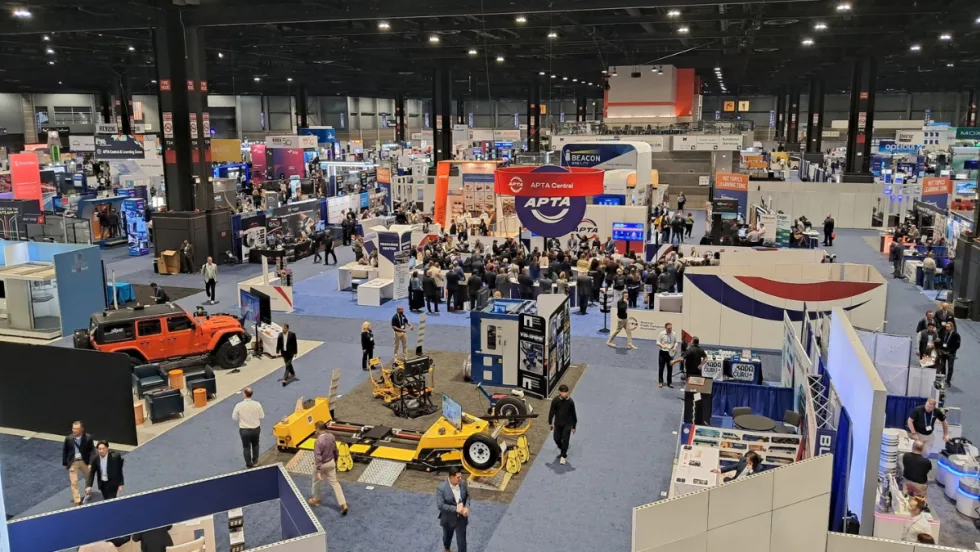
APTA 2026 TRANSform & EXPO Kicks Off in Chicago
After 45 years, APTA returns to Chicago with a focus on next-generation fleets, AI, connected transit networks, and the funding strategies shaping public transportation’s future.
Read More →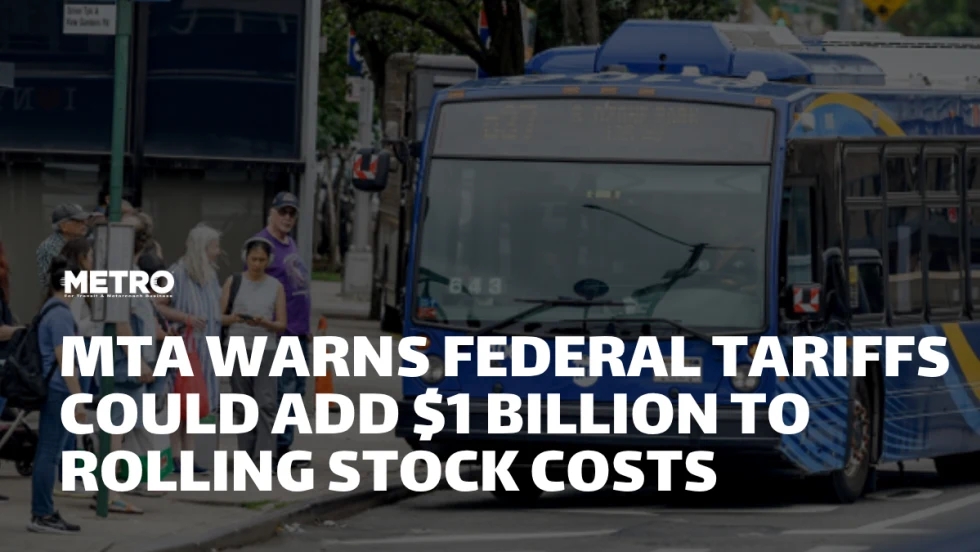
New York MTA Warns Federal Tariffs Could Add $1 Billion to Rolling Stock Costs
The agency said tariffs on specialized imported components could reduce the purchasing power of its $23 billion investment in new subway cars, railcars, and buses.
Read More →
From the Show Floor: What Happened at APTA TRANSform & EXPO 2026
See the latest product launches, partnerships, technology updates, and transit industry announcements from APTA TRANSform & EXPO in Chicago.
Read More →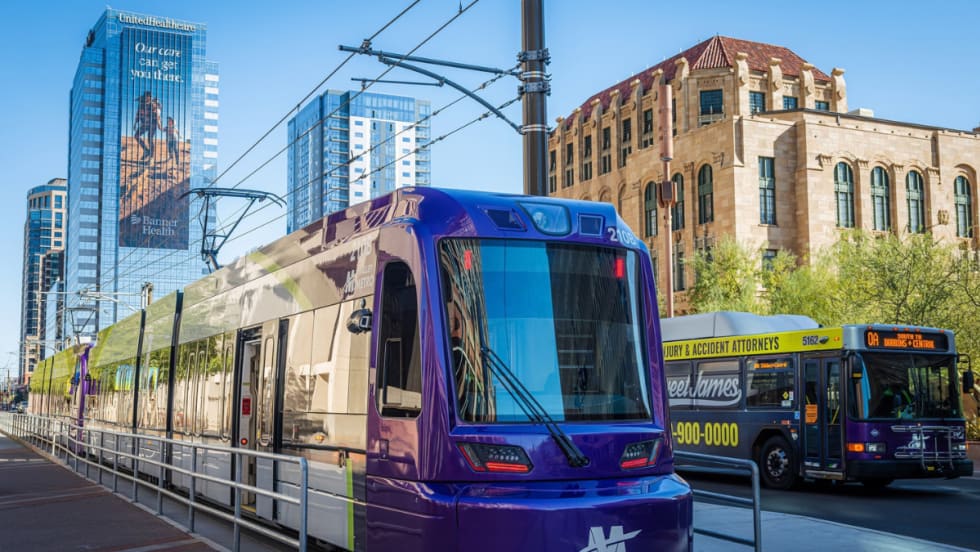
How Valley Metro Is Balancing Transit Growth With the Rider Experience
The APTA award-winning agency is pairing rapid system expansion with investments in workforce, safety, technology, and the fundamentals of transit service.
Read More →
Bus Tech Talk: Keeping Transit Technicians Ahead of the Technology Curve
In this episode of Bus Tech Talk, Complete Coach Works’ Business Development Manager Mark Hollenbeck and METRO’s Executive Editor Alex Roman sit down with Obed Mejia, Senior Technical Trainer for Bus Maintenance, at LA Metro to discuss how rapidly evolving bus technology is changing the maintenance shop — and the skills technicians need to keep pace.
Read More →
Michael Schneider Joins Paslay Group to Expand Transportation Practice
The longtime transportation executive will help Paslay Group grow its advisory and program management work across transit, highway, and other infrastructure sectors.
Read More →
People Movement: Connectpoint Expands Leadership Team, Stadler Names New Group CEO, and More
In this edition, we also spotlight recent personnel moves at Burns, UZURV, and more, highlighting the people taking on new roles across the transportation industry.
Read More →