
Metro Magazine

 MENU
 SEARCHMENUSEARCH
Loading data...
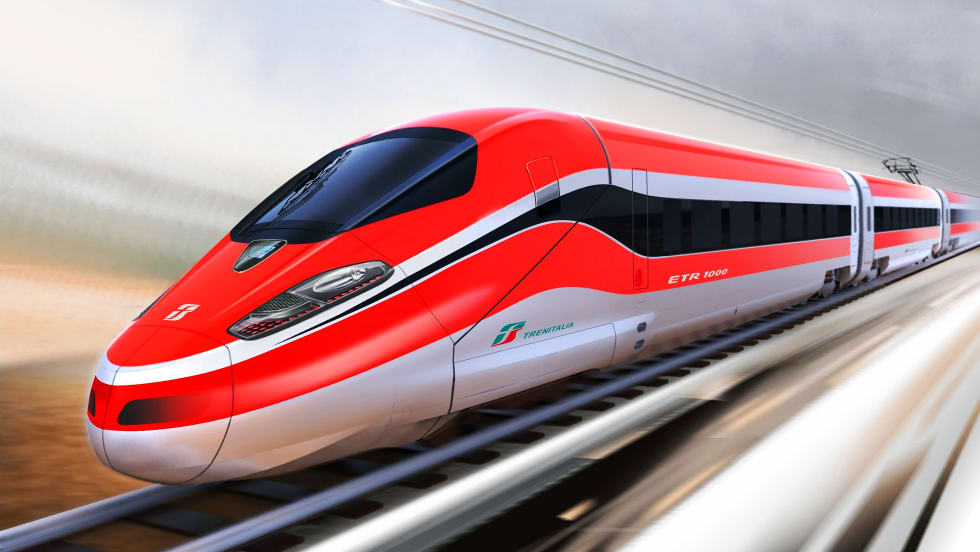
The Frecciarossa 1000 is the newest member of Bombardier’s Zefiro family of high-speed trains, known as the V300Zefiro model. The train offers high acceleration that ensures excellent traveling times even on winding routes.
Read More →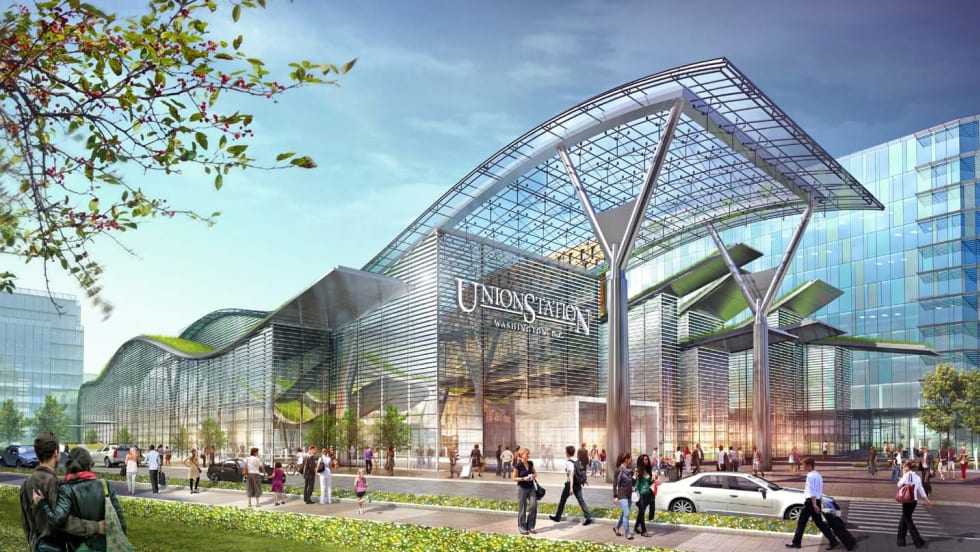
The plan calls for doubling the number of trains the station can accommodate and improving the passenger experience at what is the second-busiest Amtrak station in the country.
Read More →When announcing the grant, Transportation Secretary Mineta also underscored the importance of safety on the nation's transportation systems.
Read More →The new $18 million project will be a mixed-use arts facility containing 57 rental units of affordable live/work space for artists and their families. The ground floor will include a community room and 12 commercial spaces for non-profits, creative enterprises and related businesses.
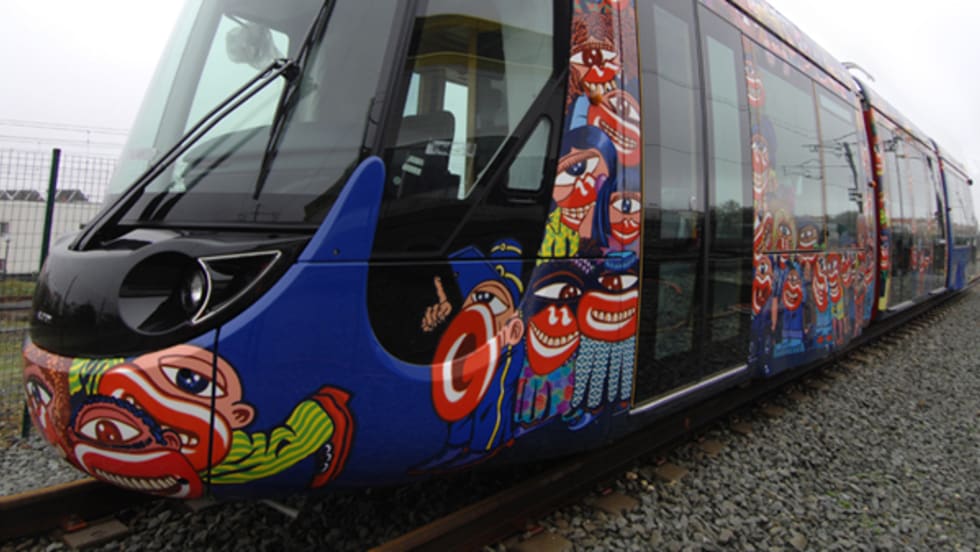
Read More →Developed to meet the mobility needs of intermediate-sized cities. Between 72 feet and 79 feet in length, the tram can accommodate some 130 passengers.
Read More →Factors contributing to the success include a moderately improved economic environment allowing some recovery of business travel along the Northeast Corridor, sustained high gasoline prices, the increased appeal and popularity of rail travel, effective marketing campaigns and the introduction of Wi-Fi on the high-speed Acela Express trains.
Read More →See how the Federal Railroad Administration's five-year waiver lets railroads test automated track inspection tools alongside visual checks.
Read More →Public policy and economics experts from UCLA and China’s Tsinghua University found that high-speed rail fuels real estate booms, reduces commuting times for those traveling to big cities, eases congestion in those cities and gives smaller towns more access to metropolitan hubs.
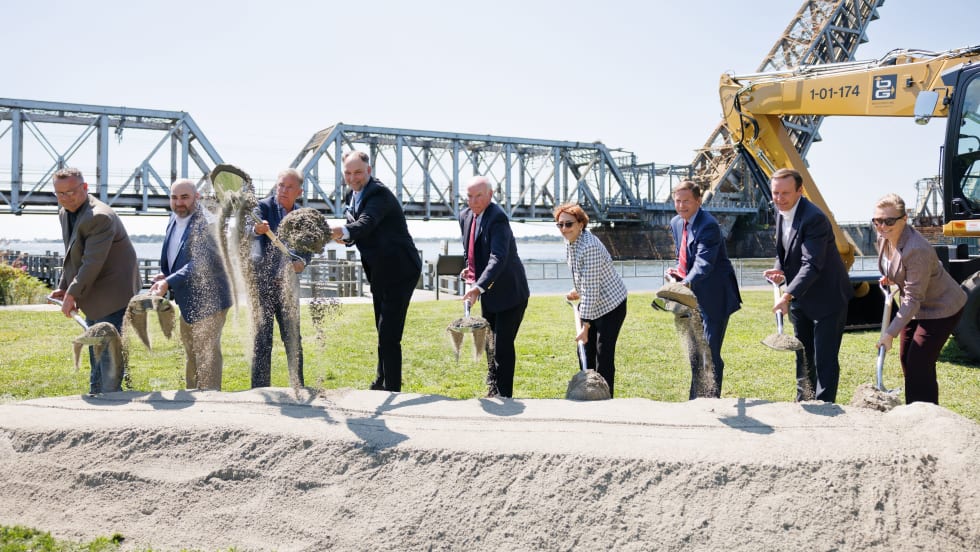
Read More →The modern, more resilient, moveable bridge now being constructed by Amtrak will feature a trunnion bascule span design with modern track, signal, catenary, power, communication, and other supporting rail infrastructure.
Read More →At a cost of $6 billion for building the first 130-mile segment through the Central Valley by the federal deadline of September 2017, it would mean spending $3.5 million a day — the fastest burn rate for transportation construction in U.S. history.
Read More →